
Enhanced Games competitors face questions over doping risks and youth influence
LAS VEGAS, United States (AFP) — Competitors in the Enhanced Games are facing sharp questions over their decision to join a sports event built around permitted doping, with opponents warning about possible harm to athletes and the message being sent to young audiences.
Before this weekend’s multi-sport meet in Las Vegas, athletes gave AFP different explanations for taking part. Some were combative, some openly financial, and others acknowledged unease about the broader consequences.
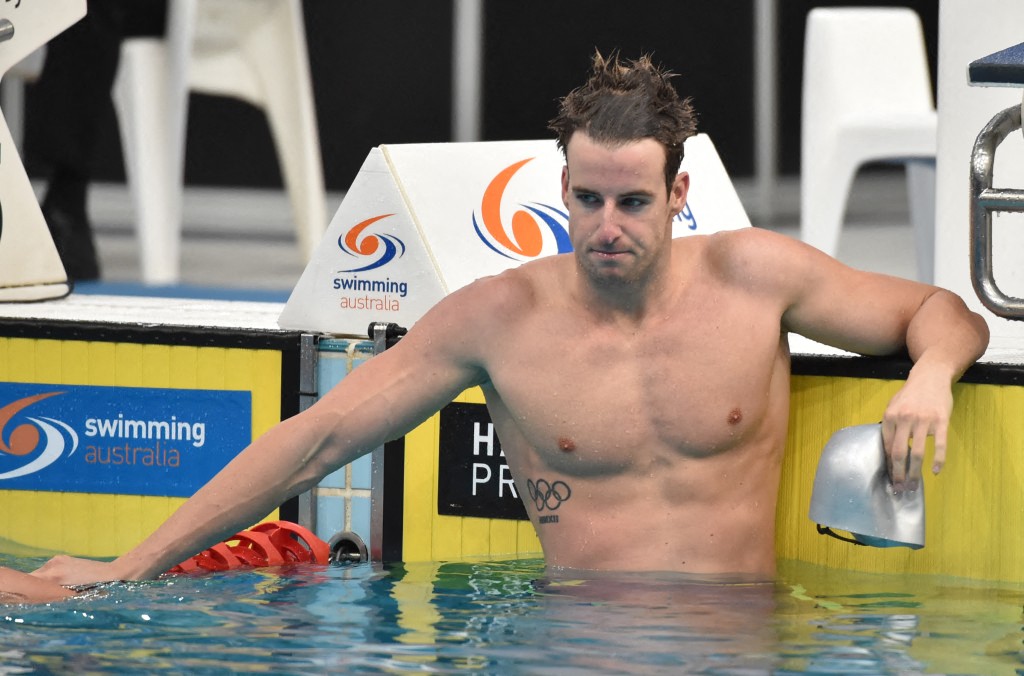
James Magnussen, the retired Australian Olympic swimmer, has said he used five banned substances from a list that includes testosterone, peptides and anabolic steroids. He told AFP he was not troubled by that decision, saying similar drug use was already common among people he knew in Australia.
“I have to try and convince my friends back in Australia to dial down the amount of peptides or enhancements they’re taking,” he joked.
Magnussen was also asked whether children and teenagers might see the Games, or view Instagram images of his heavily muscled body, and then seek out supplements for themselves. He rejected the concern as unfair.
“When I turn on TV here in America, I see ads for every pharmaceutical brand I could imagine, I see ads for gambling, I see ads for alcohol,” he said. “None of those things are for child consumption. So it is up to the parent and the role model to differentiate for the child what is for their consumption and what is not.”
Fred Kerley, the former world 100 metres champion, is entered in the Enhanced Games without using drugs. Asked about whether athletes had a duty not to promote experimental substances to the public, he gave a blunt response.
“It’s a business at the end of the day… you got to sell to somebody,” Kerley told AFP. “I’ve got shares in the company. So more power to them,” he added.
The event has financial support from billionaire Peter Thiel, Donald Trump Jr, Saudi royalty and other backers.
Not all competitors in Las Vegas sounded as dismissive of the criticism. British swimmer Ben Proud, who won silver at the 2024 Paris Olympics, said he worried that younger followers could watch Enhanced Games material and be encouraged to pursue enhancement themselves.
“What I wish is, for social media, I could ban any under 18, any under 21, to be able to see my content… but it’s just impossible to hide from,” Proud told AFP.
“I’m doing my job, I’m swimming, I’m performing, there’s a whole team around us who deal with the media and what’s going on. And I hope that people do protect younger athletes.”
Proud, now 31, said he had chosen this path after achieving success at the Olympic level. But he said younger competitors should not use performance-enhancing drugs, saying there is “no way” they should dope.
Organisers of the Enhanced Games say the substances being given to athletes have approval from the US Food and Drug Administration.
However, many scientists say there is no clear understanding of what could happen over time when such drugs are used at doses intended to help athletes chase world records. Research from the University of Birmingham warned that possible effects could include heart, liver and kidney problems, even many years later.
When AFP asked Magnussen whether that worried him, he replied: “We all took an injection a couple of years ago that it’s impossible to know what the long-term effects are, and I’m not sure that many people ask questions about that.”
Pressed on whether he was against Covid-19 vaccines while supporting the Enhanced Games’ new doping framework, he said: “Not necessarily.. I’m just comparing apples with apples.”
Some competitors said they were comfortable depending on medical guidance supplied through the Games. Proud said he “took the word from Enhanced, all the doctors we have here” that the substances were safe.
Former Greek Olympic swimmer Kristian Gkolomeev said his information came from medical staff rather than online personalities.
“All the information I got is from doctors. I don’t trust, you know, social media influencers,” Gkolomeev said. “Mostly I talk to the doctors from the Enhanced Games. I didn’t really know anything about it before.”
Syndicated from Jamaica Observer · originally published .
Legal context · powered by Jurifi
Get the legal angle on this story. Pick a prompt and Jurifi's AI will explain it using Jamaican law.
AI replies are based on Jamaican law via Jurifi. Not legal advice.
Other coverage

Sprinter Fred Kerley says Bolt’s 100m world record will be ‘destroyed’ at Enhanced Games
Jamaica Gleaner
Goal or no? - Controversy marks close JPL semi-final between Portmore, Mt Pleasant
Jamaica Gleaner
‘Brewing for a fight’
Jamaica Gleaner
Queen Ifrica Weighs In On Vybz Kartel’s “Shaky” Online Content
Dancehall.com
Spragga Benz Set to Celebrate 57th Birthday On May 30 | Entertainment Report
Television Jamaica (Video)Watch