
Jamaican J-1 Student Describes Roach-Infested US Housing and Workplace Harassment
Having taken part in the J-1 cultural exchange programme on several occasions, one Jamaican student said she expected another straightforward summer placement. Instead, she said she was stunned and deeply repulsed by conditions at the accommodation provided, where cockroaches had effectively taken over and basic fixtures appeared to be failing.
"When I arrived I immediately noticed that the accommodation was not properly maintained. There were signs of poor sanitation, and it quickly became clear that there was a significant cockroach problem. And when I'm talking about cockroaches, I'm talking about a lot of cockroaches in the hallway, in the washing room, in the kitchen, in the bathroom — everywhere. Cockroaches were everywhere. It's horrible," she said.
"The dormitory seemed to have more roaches than residents. They were everywhere — in the kitchen, the bathrooms, and sometimes even our bedrooms. After a while, we joked that they were our unofficial roommates. They woke up with us, ate with us, and refused to pay rent."
The student, who asked not to be identified because she fears being blacklisted for speaking out, said what she found on arrival did not match the images she had been shown beforehand.
"I was wondering if this was the correct place because they sent me a document with how the housing looked. When I arrived, the first thing that came to mind was, 'Okay, am I sure that I'm at the right place? Because the picture and then the real view, they're totally different things so I was confused," she told the Jamaica Observer.
The J-1 educational and cultural exchange programme enables international students and recent graduates to join structured, work-based training placements in the United States. It is designed to promote cultural exchange alongside practical professional development, with placements lasting anywhere from three weeks to 12 months.
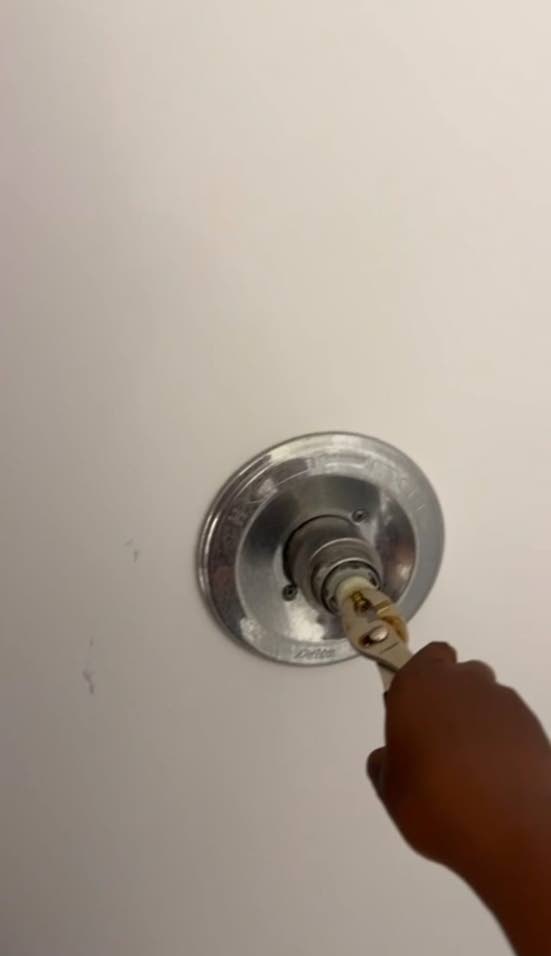
She said bunk beds at the apartment complex shake under weight, suggesting they may not be stable or safe. Several washing machines and dryers at the site are out of order, she added, making laundry a daily struggle. Her shower handle is broken, she said, forcing her and her roommates to use pliers just to get water running.
Beyond the housing concerns, she said women assigned to the same job site faced sexual harassment while working. According to her account, female colleagues endured inappropriate remarks and unwanted sexual advances from male co-workers she characterised as overly physical. She acknowledged that disciplinary steps were eventually taken, though she described the overall situation as deeply troubling.
She said cockroaches were present throughout shared areas of the student housing this summer, including hallways, the laundry room, the kitchen, and bathrooms.
Even so, she said her complaints about living conditions carried little weight with those responsible. While she credited management for arranging fumigation to address the roach infestation, she said progress on other issues remained slow.
"Every time I see [the person in charge], he says, 'Oh, I'm going to purchase another bed' or, 'Oh, I'm just waiting to hear back from my supervisor', so it's a lot. I'm getting a lot of wrong and misleading information, and I can't wait until my programme ends, honestly," she told the Observer.
She said she is especially frustrated that she paid more than US$4,000 to join the programme and secure housing, money she now wishes she had never spent.
"Living in such a space, I feel horrible. I regret coming on the programme this year. I could have put that [money] towards saving for my master's programme, or purchasing a car, or even helping out my family," she said.
"I am very regretful of this experience. I mean, from the roaches to the broken showers, to the poor sanitation, washing machines, the poor management, you're putting on your biggest smile for your employers just to be verbally abused by your management. I know that I needed the work experience, and I needed to make money to save towards my master's programme, but this? It's horrible. The experience is just horrible, and honestly, I won't tell anybody not to go on the J-1 internship programme but I would definitely tell them not to go to this place. Don't come to work in this environment," she added.
She said encouragement from co-workers has helped her push through until her contract ends, and that her mother has also offered steady support through messages and prayer during their conversations. That backing has mattered, she said, because contractual obligations leave her with no practical way to leave early.
"They don't care; they just care about their money. And it's really, really sad because we're spending so much money with these people. The least you can do is to come to the site, look at what is really happening, and advocate on our behalf. They don't even come to our workplace; they don't come to our apartment, nothing, so we're just left on our own," she said, her voice heavy with exhaustion.
"They don't understand that we are not from their home country so we need things to be suitable and appropriate for our living — especially our situation when it comes down to the bathroom. We are females, we need our hygienic things. We need everything to be suitable for our living situation," she said.
Syndicated from Jamaica Observer · originally published .
Legal context · powered by Jurifi
Get the legal angle on this story. Pick a prompt and Jurifi's AI will explain it using Jamaican law.
AI replies are based on Jamaican law via Jurifi. Not legal advice.
Other coverage

Sharing Recipes With The World (Diaspora Check-In) | TVJ Smile Jamaica
Television Jamaica (Video)Watch
She’s the boss - Ronice Harrison’s business smarts keep her ahead of the curve
Jamaica Gleaner
REGIONAL ROW - T&T challenges CARICOM chief’s reappointment, wants CCJ to decide
Jamaica Gleaner
Accessibility is a right, not a privilege | Denise Daley| Sectoral Debate 2026
Jamaica PNP (Video)Watch
Unholy affair Husband found at nude beach with church sister
Jamaica Star