
Prime Minister urges stronger disaster logistics and fiscal resilience before hurricane season
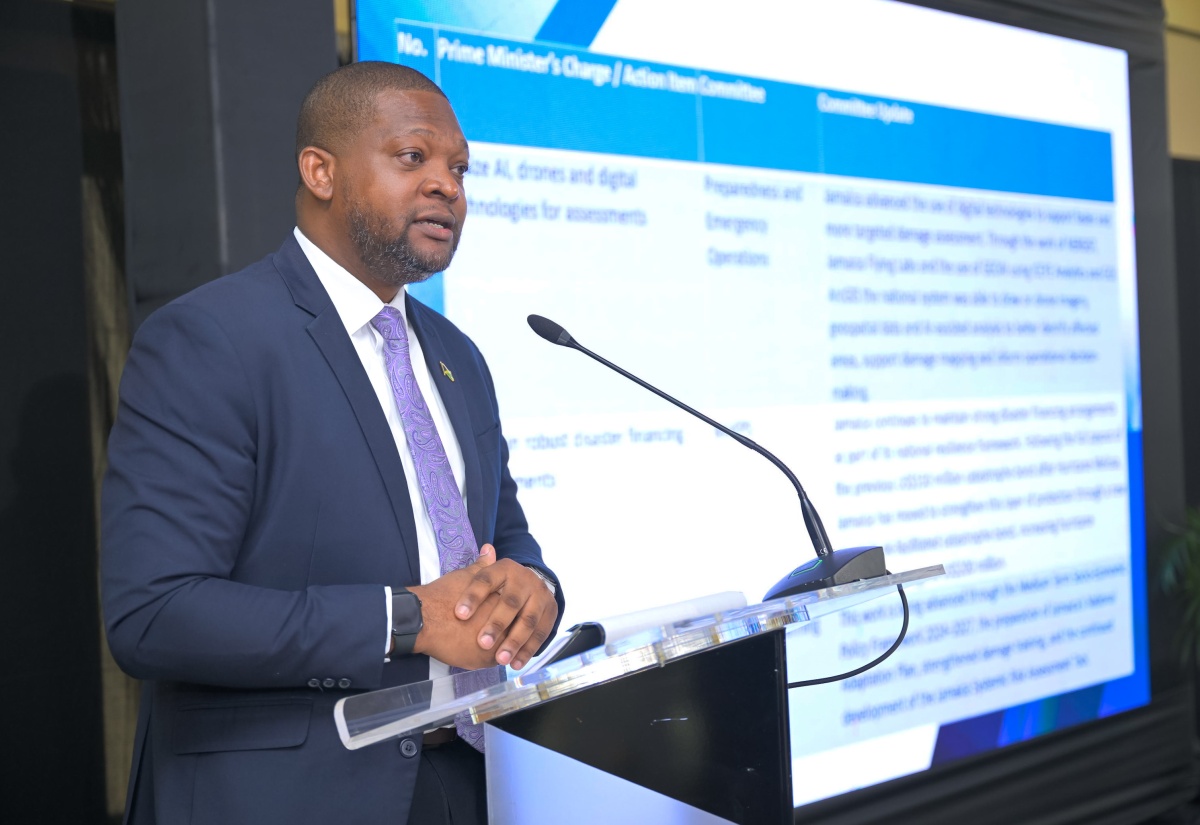
Jamaica’s Prime Minister has called for sharper disaster planning, stronger logistics and more resilient public institutions as the country prepares for the 2026 hurricane season, telling the National Risk Disaster Council that the response to Hurricane Melissa showed both progress and gaps.
He said Jamaica had shown international partners, the diaspora and donors that relief resources could be managed responsibly. Donated funds and supplies, he said, were directed to lasting public needs rather than short-term giveaways, including support for police stations, the Jamaica Defence Force, the fire brigade and parish councils.
The Prime Minister said communities cut off after the hurricane exposed a need for faster airlift, search-and-rescue and transport capacity. He said announcements would follow on further investment in the JDF’s logistics, transport and operational capabilities, while requests from the fire brigade would also be considered.
He said the International Disaster Committee will be co-chaired by the permanent secretary in the Office of the Prime Minister and the United Nations Resident Coordinator to improve how overseas assistance is received and coordinated.
ODPEM, he said, must become a stronger national resilience body, with better technical capacity, staffing, training and links to the JDF. He said the agency remains central to disaster preparedness and emergency management, but must be better integrated with the military’s logistics, command, mobility, engineering, communications and reach.
The Prime Minister also said Hurricane Melissa showed that information can save lives. He pointed to blocked roads, isolated communities, shelters, supplies, outages and poorly mapped settlements as areas where the state needs a clearer operating picture. He argued that informality and weak documentation slowed relief, grant payments and humanitarian support, and said national identification would make repeated registration after emergencies less burdensome.
He said recovery must begin during the emergency response. Roads rebuilt without drainage, roofs replaced without stronger standards and communities restored in high-risk locations, he warned, would simply recreate danger. Government, he said, will advance a resilience impact assessment framework for major policies, programmes, infrastructure and strategic projects.
The Prime Minister said fiscal resilience was also vital, noting that savings, insurance, borrowing arrangements and catastrophe bonds helped Jamaica respond quickly. He said funds helped support critical restoration, including JPS electricity repairs, and noted that discussions were under way with CCRIF on expanding coverage to include a coastal programme.
He urged local government, municipal corporations and parish disaster committees to strengthen community plans, test them through drills and prepare households, shelters and vulnerable residents for the first 72 to 96 hours after impact. After his presentation, the meeting continued with special presentations from other entities.
Syndicated from Jamaica Information Service (Video) · originally published .
Legal context · powered by Jurifi
Get the legal angle on this story. Pick a prompt and Jurifi's AI will explain it using Jamaican law.
AI replies are based on Jamaican law via Jurifi. Not legal advice.
Other coverage
Disaster Risk Management System Remains Strong, Coordinated and Response Capable – ODPEM
Jamaica Information Service
With few hands, communities press on with Labour Day projects
Jamaica Gleaner
‘Common nonsense’
Jamaica Gleaner
Yaneek Page | That 1.8% Pothole: How the Post-Melissa Recovery is Totalling Some Businesses
Jamaica Gleaner
Buyers urged to be strategic as real estate boom continues
Our Today