
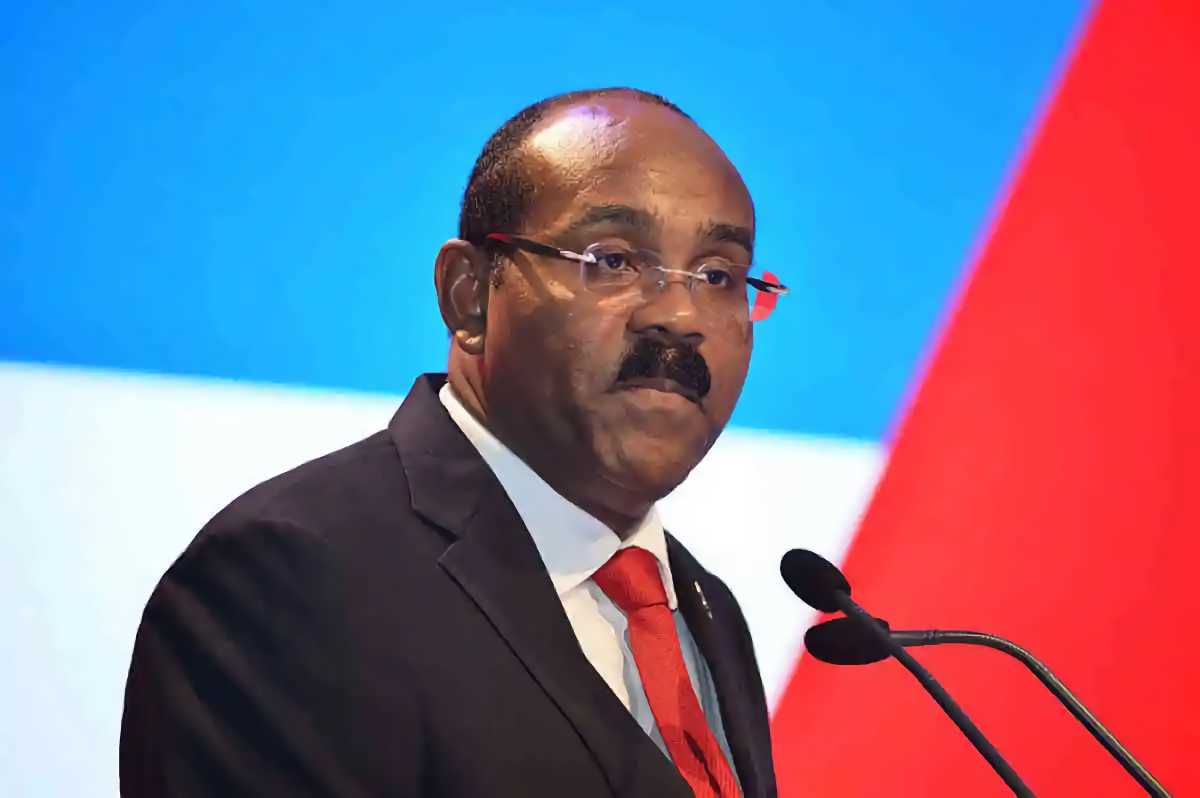
Antigua rejects LGBTQ deportees as Browne caps US third-country intake at 14 yearly
Facing sustained pressure from the Trump administration to take US deportees, Antigua and Barbuda’s prime minister has drawn a firm line on who his government is willing to receive, declaring that LGBTQ individuals will not be accepted.
“We have enough of those here,” Gaston Browne said on his weekend radio programme, citing neighbouring St. Kitts and Nevis, which recently took in two gay men sent from the United States. “I’m told the three that were sent to St. Kitts, two of them are LGBTQIAs,” he added.
Browne also set out broader exclusions. “We do not want people who are criminals. We don’t want people who are sick. We do not want anyone who is going to become a charge.”
The comments land amid strained talks between the small Eastern Caribbean federation and Washington under the third-country initiative, a US effort to place immigrants it cannot easily return on nations across the Caribbean and Central America.
Browne argued that Antigua’s limited public resources make large-scale resettlement unrealistic. His cabinet is now willing to accept only 14 deportees per calendar year, up from a prior negotiating position of 10. US officials have pressed for a far higher figure, which Browne has warned would amount to political suicide for his administration.
He linked American leverage to visa policy, saying restrictions affecting Antiguans seeking US tourist visas from January this year were meant to force his hand. “I have no doubt in my mind that the restriction that was issued on Antigua as of the end of last year, effective January of this year, was as a result of this issue. From all indications, that was issued probably to bully us into signing. I’m not going to willingly drink the poison and die. You have to shoot me,” he said, describing the pressure as Washington holding a gun to his government’s head.
“We are not averse to signing, but it has to be a sensible agreement,” Browne added.
Several CARICOM member states are in advanced negotiations with the United States to accept deportees whose home governments will not readmit them, or who refuse to return because of fears that include persecution.
Syndicated from Caribbean Life · originally published .
Legal context · powered by Jurifi
Get the legal angle on this story. Pick a prompt and Jurifi's AI will explain it using Jamaican law.
AI replies are based on Jamaican law via Jurifi. Not legal advice.
Other coverage
Sunday Sips with HG Helps | A protest at the right time, ‘Inaction’ Edwards doesn’t get it, World Cup star Doku deserves better, and weeping for Venezuela
Our Today
St Mary Residents Voice Control Over Accomodation Plan | TVJ News
Television Jamaica (Video)Watch
Editorial | Vale Royal and red lines
Jamaica Gleaner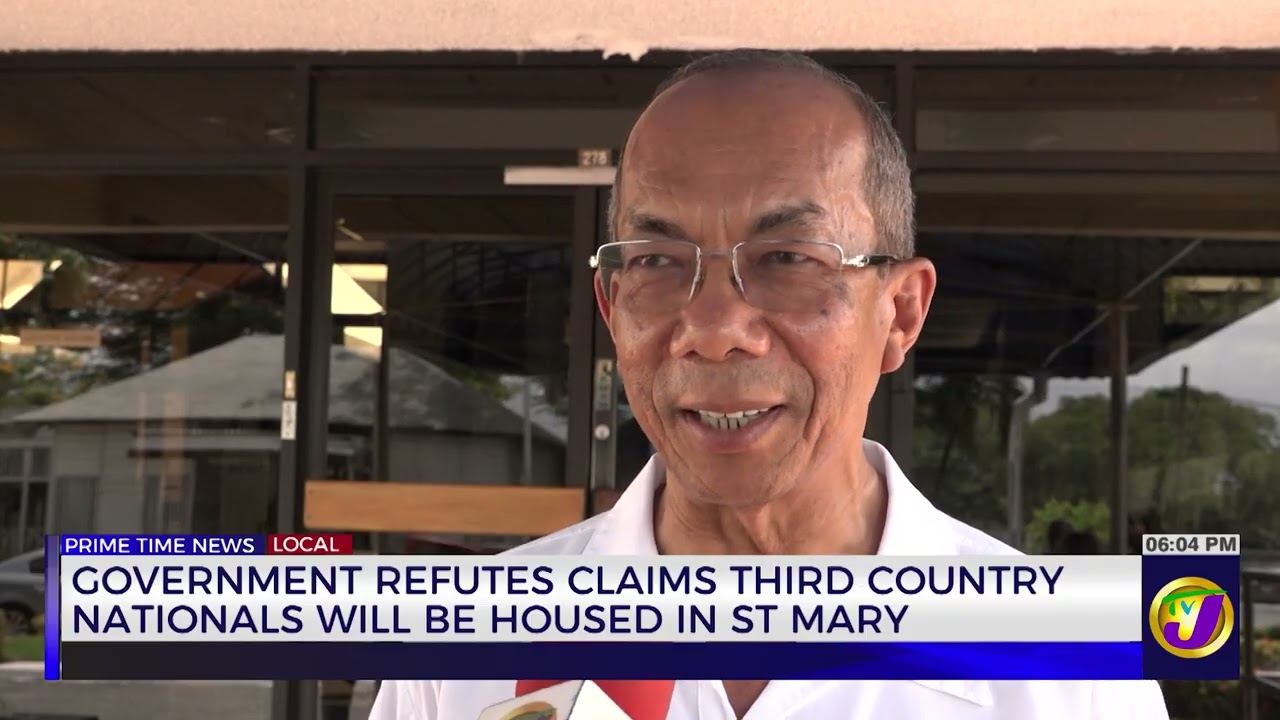
Government Refutes Claims Third Country Nationals Will be Housed In St Mary | TVJ News
Television Jamaica (Video)Watch
PNP Women Questions TCNS Character | @CVMTVNews
CVM TV News (Video)Watch