
مؤتمر الشتات في مونتغو باي في يونيو مع تسريع جهود جامايكا لإعادة الإعمار بعد إعصار ميليسا
ستستضيف جامايكا المؤتمر الحادي عشر للشتات الجامايكي (كل عامين) في الفترة من 14 إلى 18 يونيو 2026 في مركز مؤتمرات مونتغو باي، معتبرةً المواطنين في الخارج وأصدقاء الجزيرة شركاء في التعافي بعد إعصار ميليسا.
قال وزير الدولة في وزارة الشؤون الخارجية والتجارة الخارجية ألاندو تيريلونج إن هذا اللقاء يدعو الجامايكيين في الخارج إلى دعم إعادة الإعمار والنمو المستدام وبناء بلد أكثر قدرة على الصمود للمقيمين في الوطن وفي الشتات. وأشار إلى الدعم الإنساني القوي من مجتمعات الشتات في الولايات المتحدة والمملكة المتحدة وأستراليا ومنطقة البحر الكاريبي وغيرها من أنحاء العالم بعد العاصفة.
ومن المتوقع أن تتناول جلسات المؤتمر كفاءة التعاقد الحكومي، ونقل المجتمعات الساحلية الضعيفة إلى الداخل، ومراكز حضرية جديدة، وإعادة إعمار بلدات مثل بلاك ريفر. وقال تيريلونج إن أكثر من 80 في المئة من الجامايكيين يعيشون على بُعد خمسة كيلومترات من الساحل. وستبحث الندوات أيضاً الاستثمار وتغير المناخ وقدرة التحمل أمام الكوارث والأمن الغذائي والمائي والأمن الوطني. وأضاف أن الحكومة تعامل الشتات شركاء استراتيجيين يتجاوزون التحويلات المالية، بمن فيهم الجامايكيون في الخارج من الجيل الثاني والثالث والرابع.
التسجيل متاح عبر aitix.app. وسيحصل المشاركون على أساور تعريف بالترددات الراديوية لتبادل بيانات الاتصال رقمياً، مع معالجة البيانات بموجب قانون حماية البيانات. ومن الشركاء التقليديين جامايكا ناشيونال وGrace وVMBS. وستدعم وزارة الشؤون الخارجية والتجارة الخارجية الوصول إلى الأسواق، بما في ذلك العمل على التعريفات وشروط تصدير السلع والخدمات.
ووصف تيريلونج الفعالية بأنها موجهة نحو العمل. وستستضيف أجنحة السوق المصارف ومقدمي الرهن العقاري والصندوق الوطني للإسكان ووكالات مثل PICA لمسائل الجوازات والجنسية. وفي مساء يوم الأربعاء، ستشجع جلسة تمكين المشتريات المباشرة من البائعين المتضررين من الإعصار. وسيُسجَّل مهارات واهتمامات الحضور في قاعدة بيانات لتقليل المتابعة المتقطعة.
المؤتمر مفتوح للجامايكيين في الوطن والشتات وأصدقاء جامايكا والمشاركين الدوليين. وتتراوح خيارات أجنحة السوق من نحو 250 دولاراً أمريكياً للمساحات الأصغر «عش الطيور» إلى نحو 2,200 دولار أمريكي للقطع الأكبر؛ وكانت 73 من أصل 80 مساحة محجوزة مسبقاً في انتظار التأكيد. وتكلف تذاكر الحجز المبكر 180 دولاراً أمريكياً لأربعة أيام. وتشمل محاور الاستثمار الزراعة وتكنولوجيا الغذاء والعقارات وإعادة الإعمار والتعليم والصحة والصناعات الإبداعية وفرص التصدير بحضور خبراء التجارة والسفراء الفخريين. ورئيس المؤتمر إيرل جاريت من جامايكا ناشيونال من بين القائمين على التخطيط.
وفي قسم منفصل، تناولت مادة عن أصول يوم العمل أن الجامايكيين يتطوعون في مشاريع مجتمعية في 23 مايو من كل عام، لكن العطلة تعود إلى تمرد العمال عام 1938. وانتشرت الاضطرابات التي بدأت في Frome في Westmoreland على الجزيرة بأكملها، مع مطالبة العمال بالكرامة وأجور عادلة. وبرز السير ألكسندر بستامانتي مدافعاً عن العمال، ما ساعد على إطلاق نقابات عمالية منها Bustamante Industrial Trade Union وتقدماً دستورياً نحو الاستقلال عام 1962.
وأصبح يوم الإمبراطورية في 24 مايو يوم الكومنولث عام 1958؛ ونقل تشريع عام 1960 تحت نورمان مانلي العطلة إلى 23 مايو لإحياء إضرابات 1938. وفي عام 1972، أعاد مايكل مانلي صياغة اليوم لخدمة وطنية تطوعية، بدءاً بأعمال على طريق Palisadoes، المعروف اليوم باسم Norman Manley Highway. وبدأت احتفالات ذات طابع في عام 1989، انطلاقاً من التعليم.
منقول من Jamaica Information Service (Video) · نُشر أصلاً في .
السياق القانوني · مدعوم من Jurifi
احصل على الجانب القانوني لهذا الخبر. اختر سؤالاً وسيشرحه ذكاء Jurifi الاصطناعي وفق القانون الجامايكي.
إجابات الذكاء الاصطناعي مبنية على القانون الجامايكي عبر Jurifi. ليست استشارة قانونية.
تغطية أخرى

Coding his future - UTech student eyes Caribbean tech transformation
Jamaica Gleaner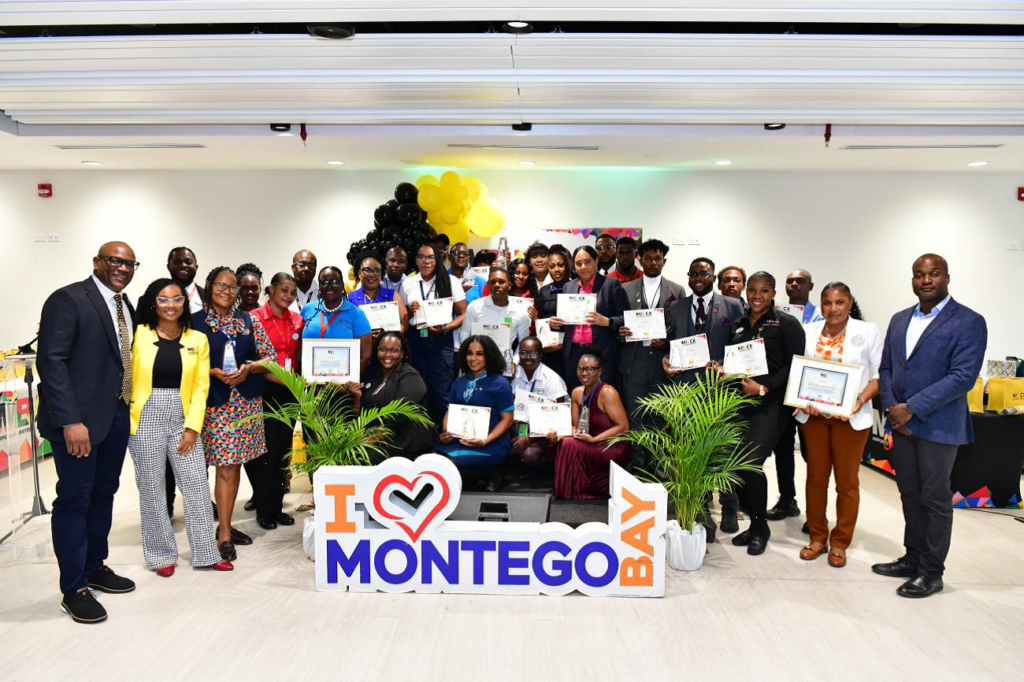
SIA turns the spotlight on its people at Fourth Annual Customer Experience Award
Jamaica Observer
JCF High Command interdicts cop who shot civilian in Granville on Sunday
Radio Jamaica News Online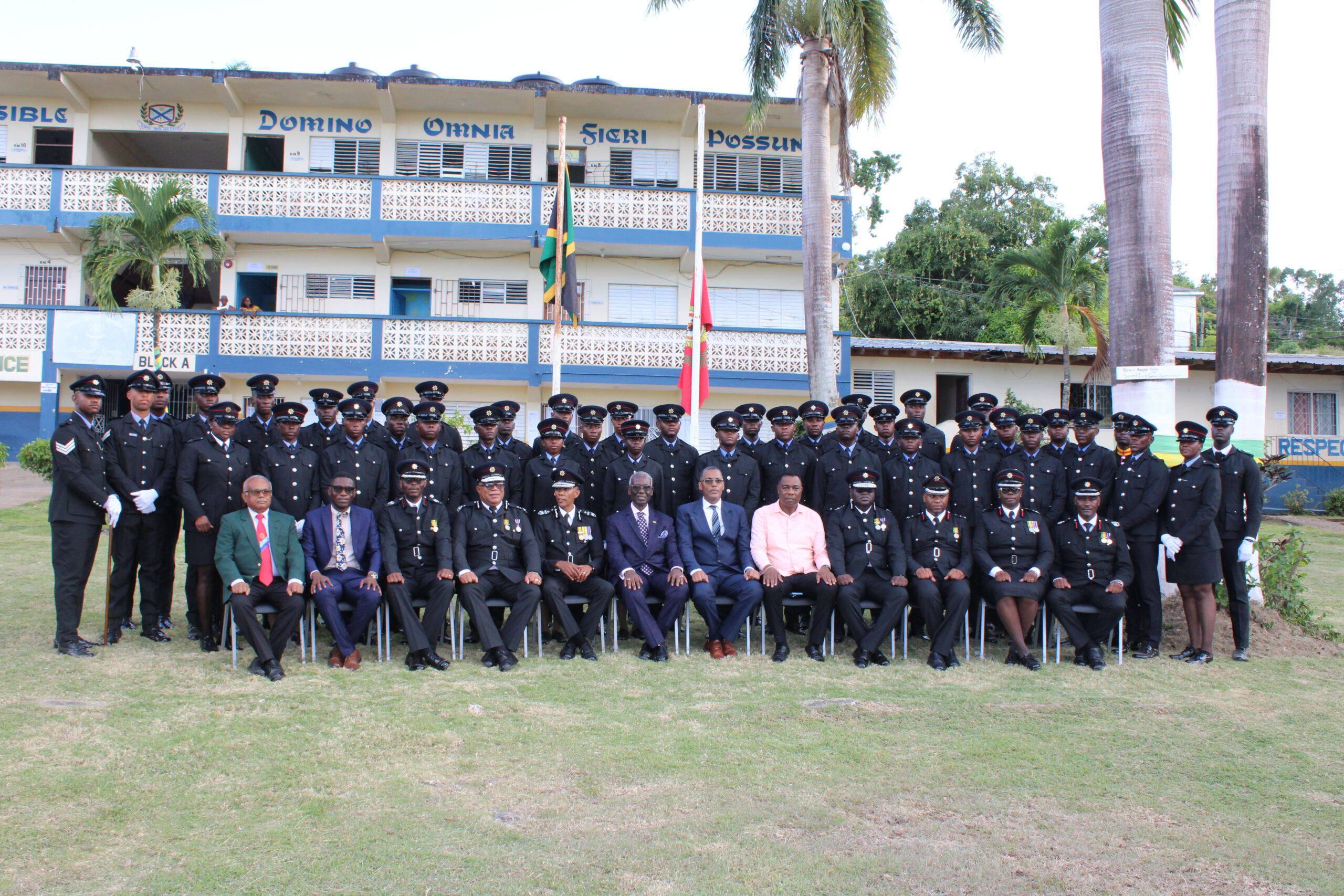
96 MORE STRONG – JAMAICA FIRE BRIGADE WELCOMES NEW RECRUITS
Ministry of Local Government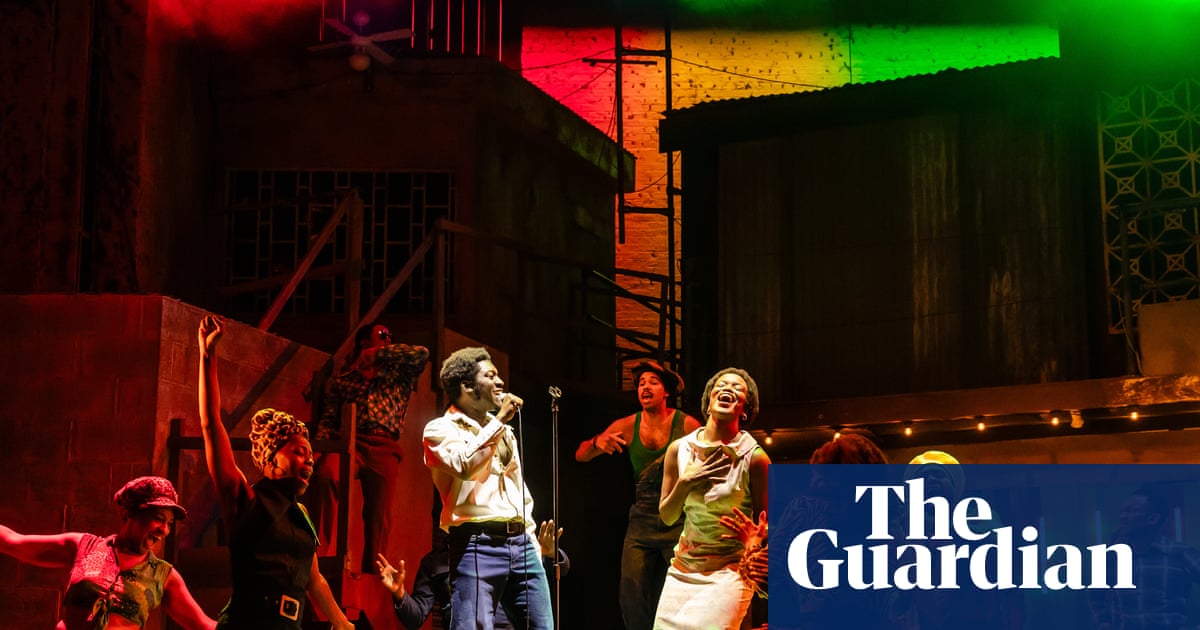
‘What’s this groove becoming?!’ How The Harder They Come captured 70s Jamaica and blazed on to stage
The Guardian (Jamaica)