
Rhys Greenland | Low block, mid-block, high block: why everyone is suddenly talking like a coach
The word has become unavoidable – Block.
Low block. Mid-block. High block. The language of coaching courses has moved into ordinary football conversation, and at this World Cup it has become one of the simplest ways supporters describe what they are watching.
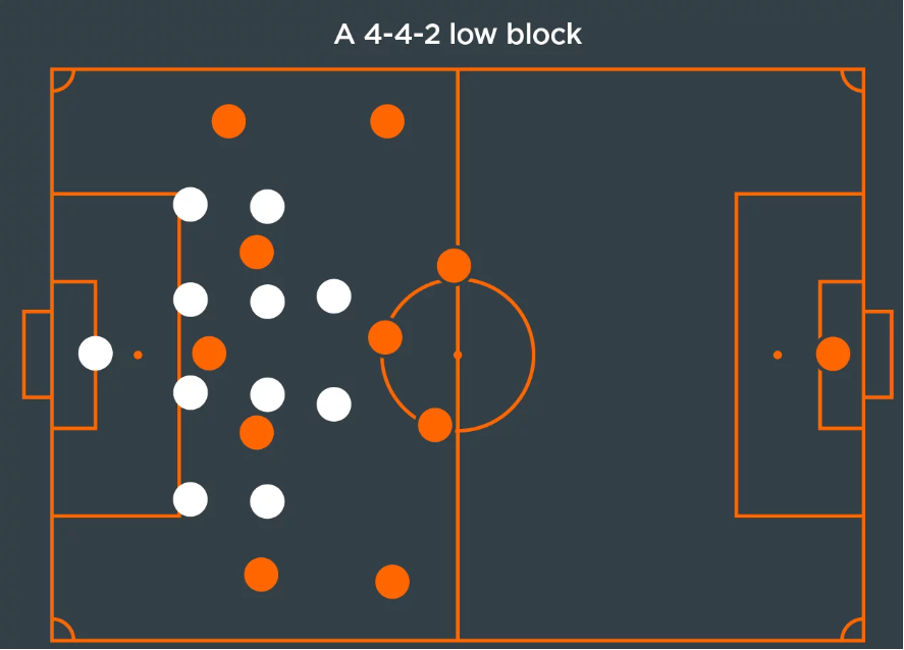
The terms are not complicated, although they are often made to sound that way. In basic tactical language, a low block means a team is defending deep, usually with emphasis on protecting its own half and penalty area. A medium block means the team begins its defensive work higher, often around the middle third. A high block means the team is defending aggressively across most of the pitch, pressing close to the opponent’s goal.
The reason the phrase has drawn attention is that this World Cup has repeatedly shown the value of controlled defending. The expanded tournament has brought more contrasts in style, resources and individual quality. Some teams cannot match the leading nations player for player, so they compete by controlling space. Others have enough attacking talent to press high, but still need to know when to retreat. The best teams now shift between blocks rather than living in one.
That is why the conversation has moved beyond “parking the bus”. A low block is not automatically cowardice, whilst a high block is not automatically bravery.
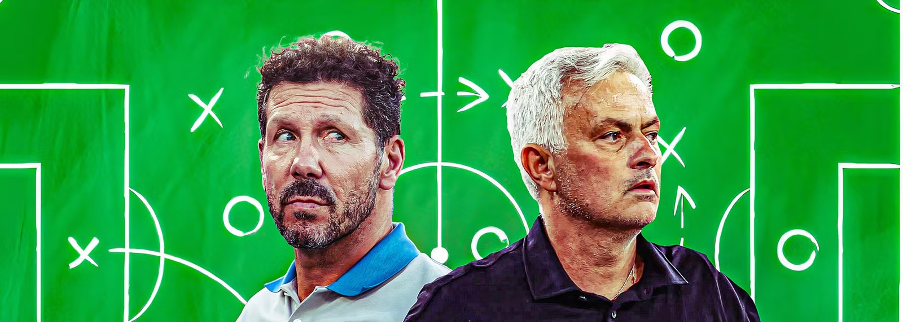
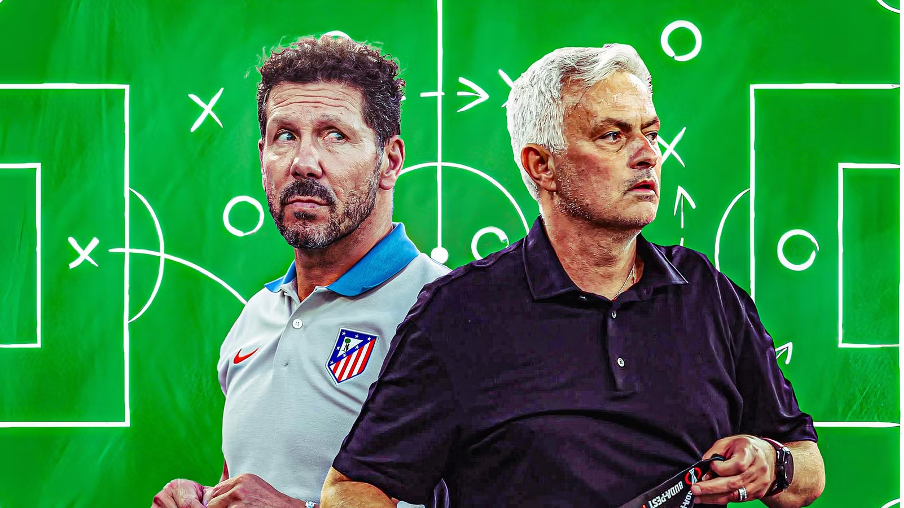
A low block says: break us down if you can. Players crowd out the midfield to protect direct through balls and the box; this narrows passing lanes and forces the attacking side to play with patience out to the wing. If you were able to catch the England vs Ghana game or the France Panama games earlier in the tournament, those are perfect examples. This tactic doesn’t come without its clear weakness: if the ball is constantly being cleared, the defending side must withstand cumulative pressure. A single loose touch can undo 80 minutes of discipline. Of course, you may also know it under a more contemporary name: Haram ball, popularised by managers like José Mourinho throughout his career as well as Diego Simeone of Atlético Madrid and Claudio Ranieri in the wondrous 2016 Leicester City Premier League Title run.
The high block is the opposite; a team seeks to win the ball near the goal with a high defensive line and turn defensive aggression into an instant attacking threat. Its weakness is also clear; if the press is shrugged off, then there are fewer men to block contain the break.
A mid-block is the most subtle of the three. It is often the tournament manager’s choice. It gives a team enough compactness to deny easy central progression, but enough height to counter-attack with numbers. It is less spectacular than the high press and less dramatic than the low block, but often more sustainable.
Spain’s quarter-final win over Belgium offered a useful example of why the block conversation has entered mainstream discussion. Spain beat Belgium 2-1 at SoFi Stadium, with Mikel Merino scoring late after Belgium had equalised through Charles De Ketelaere. Spain’s style of play is often described as one centred around control. The national team has become known over the last 16 years as a possession-driven team, but behind that possession is their control of space. They are a territorial side that move the opponent up and down as they switch the play, press after losing the ball and force teams to decide how much space they are prepared to surrender. Belgium had to manage that pressure while still finding ways to threaten through players such as Jeremy Doku and De Ketelaere.
The block has become popular because it gives supporters a vocabulary for football’s hidden negotiation. The ball may be moving, but the real argument is often happening 20 yards away, in the distance between midfield and defence.
A low block asks for patience.
A high block asks for courage.
A mid-block asks for timing.
At a World Cup where one mistake can end a campaign, it is no surprise everyone is suddenly fluent in the language of where to stand.
Syndicated from Our Today · originally published .
Legal context · powered by Jurifi
Get the legal angle on this story. Pick a prompt and Jurifi's AI will explain it using Jamaican law.
AI replies are based on Jamaican law via Jurifi. Not legal advice.
Other coverage

Super-sub Merino stars again for Spain
Jamaica Gleaner
‘We have what it takes’ - Spanish, Belgian fans in Jamaica gear up for WCup showdown
Jamaica Gleaner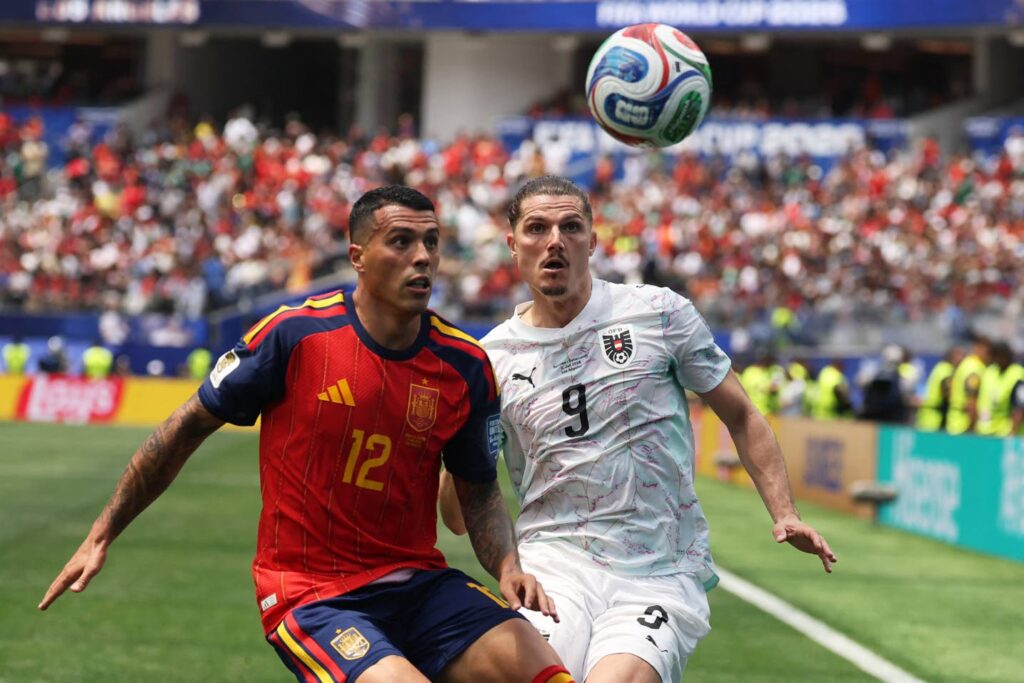
World Cup: Eight teams remain in the hunt for glory
Jamaica Observer
Unbeaten Spain, star-powered Belgium in high-stakes showdown
Jamaica Star
KANE HE DELIVER?
Jamaica Observer