
تقرير من UNICEF وCapri يبرز فجوة بين إنفاق جامايكا على الأطفال والنتائج
Kingston، 14 مايو 2026 — يبلغ الإنفاق العام في جامايكا على الأطفال مستويات كبيرة بالمعايير الدولية، لكن الفقر، والفجوات في الخدمات، وضعف نتائج التعلم تُظهر أن المال وحده لا يحقق نتائج موازية، وفق تقرير أُطلق مساء الخميس في Wolmer’s Auditorium.
كلفت UNICEF Jamaica معهد Caribbean Policy Research Institute (Capri) إعداد «Room for Improvement: The Gap between Public Spending and Child Outcomes in Jamaica»، ووُصف في الفعالية بأنه أشمل مراجعة للإنفاق العام الموجّه للأطفال منذ نحو عقدين. قالت Olga Sasa، ممثلة UNICEF في جامايكا، إن الدراسة تعتمد على تسع سنوات من بيانات الميزانية في ثمانية قطاعات، وتسأل عن حجم الإنفاق على الأطفال، وتركيبه، وما إذا كانت الالتزامات تظهر في بنود ميزانية مستدامة، وما إذا كانت النتائج تتحرك مع الإنفاق.
أوضحت Sasa للحضور أن جامايكا حافظت على الإنفاق الاجتماعي خلال السنوات التسع الماضية، وتخصص حصة للأطفال من الميزانية الوطنية مماثلة لحصص كثير من الدول ذات الدخل المرتفع، مع إعطاء التعليم أولوية وبرامج مثل PATH للتخفيف من الفقر، بما في ذلك أثناء جائحة COVID-19. ومع ذلك، يبقى الأطفال أفقر من المتوسط الوطني، والأطفال في المناطق الريفية هم الأكثر تضرراً. لم يتحسن التعلم بالوتيرة المرجوة، خصوصاً لدى الأولاد، والأطفال ذوي الإعاقة، والمراهقين خارج المدرسة، فيما تستمر الفجوات في الصحة النفسية، وحماية الطفل، والتغذية، والإسكان.
من أبرز النتائج أن جامايكا ما زالت تفتقر إلى نظام روتيني يوضح مقدار الإنفاق العام الذي يصل فعلياً إلى الأطفال. لا تُفصَّل بيانات الميزانية حسب العمر أو فئة المستفيدين، ويذهب جزء كبير من الإنفاق المصنَّف على أنه موجّه للأطفال إلى التعويضات والتكاليف التشغيلية الأساسية، ما يحدّ من الهامش المالي لمدخلات البرامج. قال المدير التنفيذي لـ Capri Damian King إن الشراكة تهدف إلى تعزيز الأدلة لخيارات السياسات التي تمس فئة لا تستطيع التصويت.
تشمل استنتاجات التقرير المتنوعة ارتفاع إجمالي الإنفاق التعليمي على الأطفال في حين تواجه الميزانيات التشغيلية ضغوطاً لأن الأجور تستوعب جزءاً كبيراً من الاستثمار؛ وإظهار PATH دعماً واسع النطاق ومتوقعاً، مع عدم مواكبة مستويات المنفعة والخدمات التكميلية دائماً لتكاليف الأسرة المتصاعدة؛ وتقدم في حماية الطفل والصحة النفسية يبقى مجزأً مقارنة بالحاجة.
اقترحت Sasa استكشاف نهج وطني مع Ministry of Finance وPlanning Institute of Jamaica لوضع علامات على البرامج الموجّهة للأطفال في تصنيف الميزانية، وتعزيز نشر بيانات التغطية، وتكلفة الوحدة، والنتائج للبرامج الكبرى، وتعزيز المساءلة حيث يكون الأطفال الأكثر عرضة للخطر. وأكدت أن هذه الخطوات لا تتطلب تشريعاً جديداً بين ليلة وضحاها، بل قراراً مشتركاً لجعل الأطفال مرئيين في الميزانية.
عند عرض النتائج الأولية، قالت الباحثة الرئيسية في Capri الدكتورة Diana Thorburn إن جامايكا حققت متوسطاً نحو 5% من الناتج المحلي الإجمالي على التعليم خلال ثلاثة عقود — مستويات إنفاق مماثلة لأنظمة ثرية وعالية الأداء — لكن النتائج متخلفة. يمكن لطفل يدخل المدرسة اليوم أن يتوقع نحو 11½ سنة من التعليم لكنه يتعلم ما يعادل سبع سنوات فقط، وتشير قيمة مؤشر رأس المال البشري لدى World Bank البالغة 0.53 في جامايكا إلى أن طفلاً يولد اليوم قد يبلغ أقل بقليل من نصف إمكاناته الإنتاجية بحلول سن 18. قالت: «ننفق كدولة غنية، لكننا لا نحصل على نتائج دولة من هذا القبيل» — وهي الفجوة التي يسعى التقرير إلى تفسيرها. وكان من المقرر عقد نقاش لاحق مع وزارة وشركاء التنمية بعد الإطلاق.
منقول من PBC Jamaica (Video) · نُشر أصلاً في .
السياق القانوني · مدعوم من Jurifi
احصل على الجانب القانوني لهذا الخبر. اختر سؤالاً وسيشرحه ذكاء Jurifi الاصطناعي وفق القانون الجامايكي.
إجابات الذكاء الاصطناعي مبنية على القانون الجامايكي عبر Jurifi. ليست استشارة قانونية.
تغطية أخرى

Poems
Jamaica Gleaner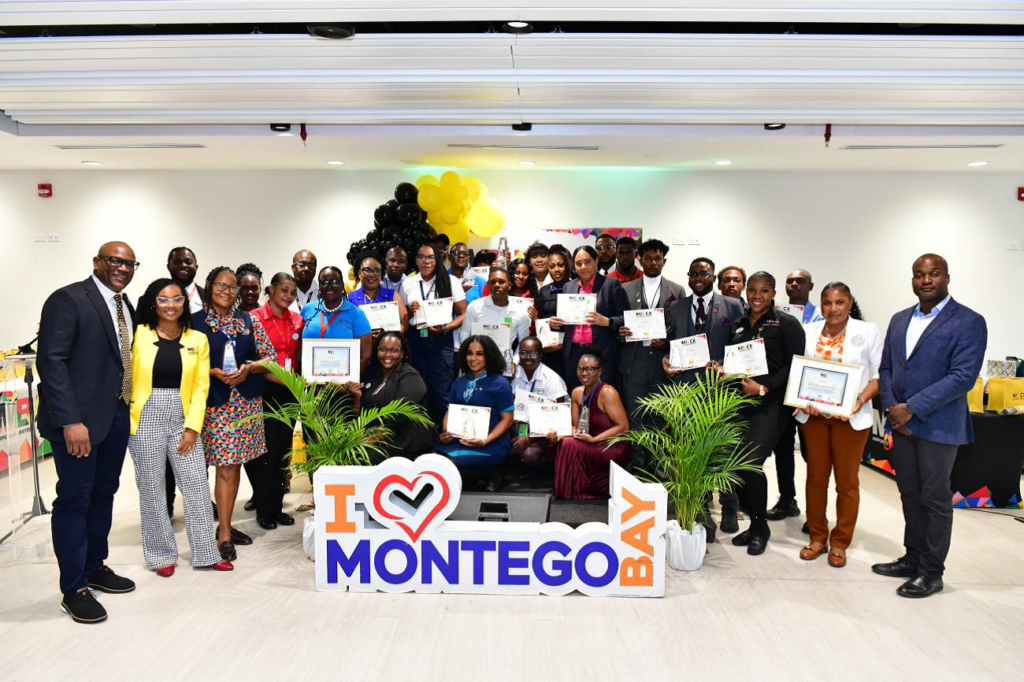
SIA turns the spotlight on its people at Fourth Annual Customer Experience Award
Jamaica Observer
Capri study reveals that outcomes not reflecting money being spent on sectors to cater for children
Jamaica Inquirer
CVM Lead Story | @CVMTVNews
CVM TV News (Video)شاهد
Virtual push for real estate
Jamaica Observer