
UNICEF and Partners strengthen Jamaica’s emergency water response following Hurricane Melissa
More than 54,000 people in Westmoreland regained access to safe drinking water following Hurricane Melissa through an emergency response led by UNICEF Jamaica and partners that treated and distributed approximately four million litres (one million gallons) of water across affected communities.
As part of efforts to strengthen Jamaica’s preparedness for future disasters, specialised Mobile Water Treatment Units valued at approximately J$10 million have now been formally handed over to national agencies and emergency responders.
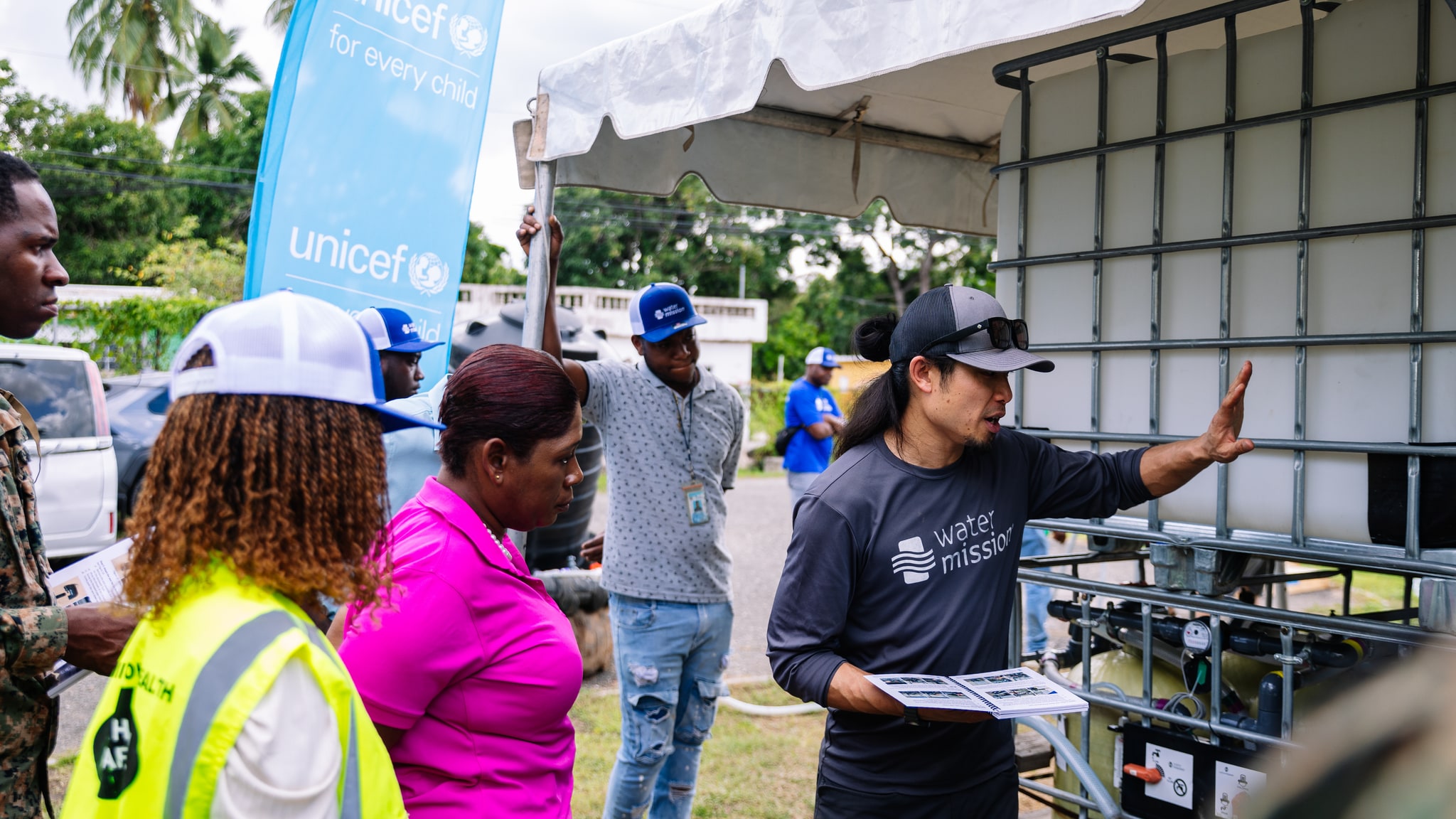
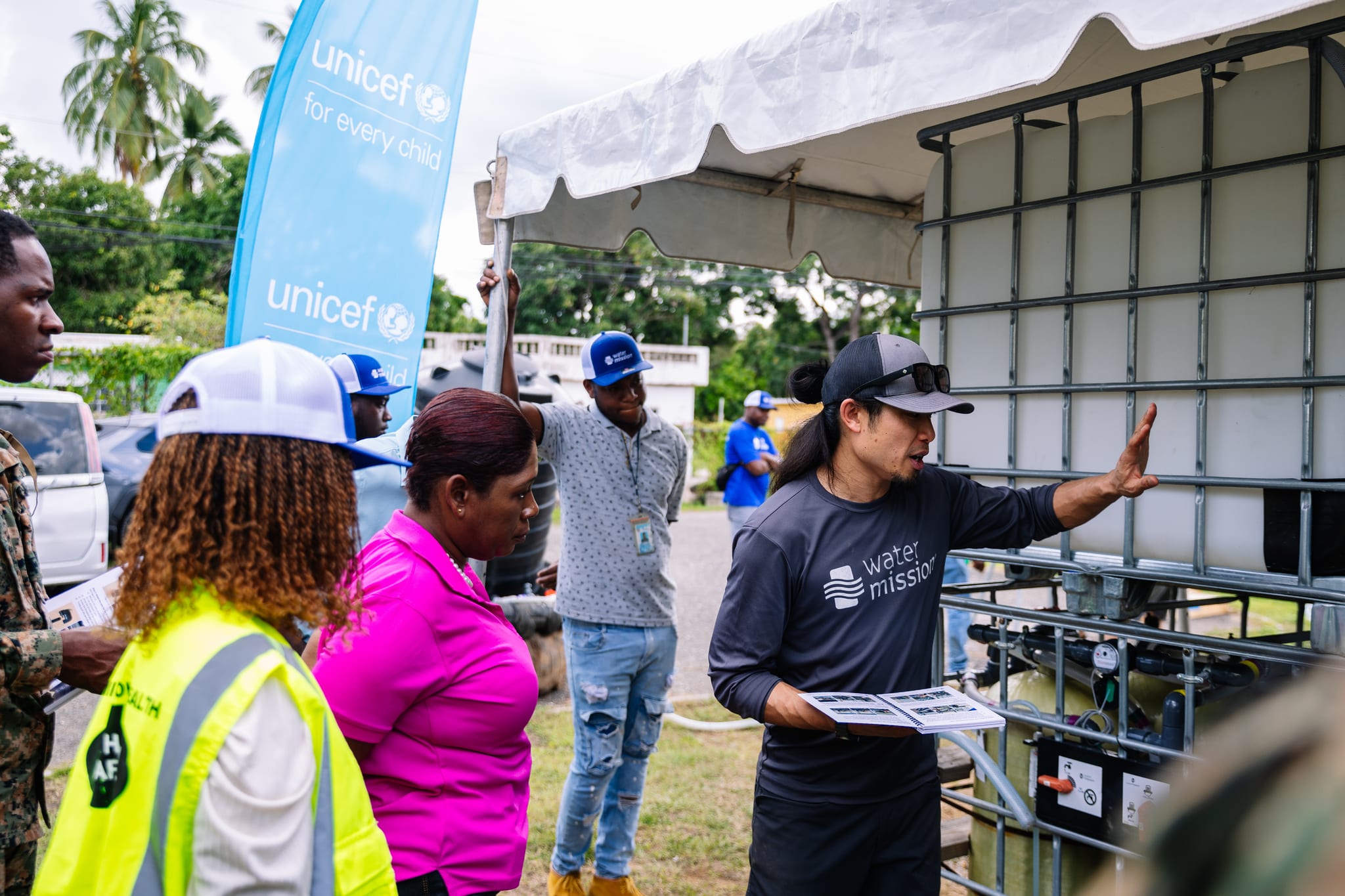
The initiative, implemented by UNICEF Jamaica in partnership with Water Mission International, was supported through funding from the United States Government and the European Union. Mobile water treatment plants were rapidly deployed to hurricane-affected communities, operating through three treatment sites and 30 distribution points to restore access to safe water in the aftermath of the storm.
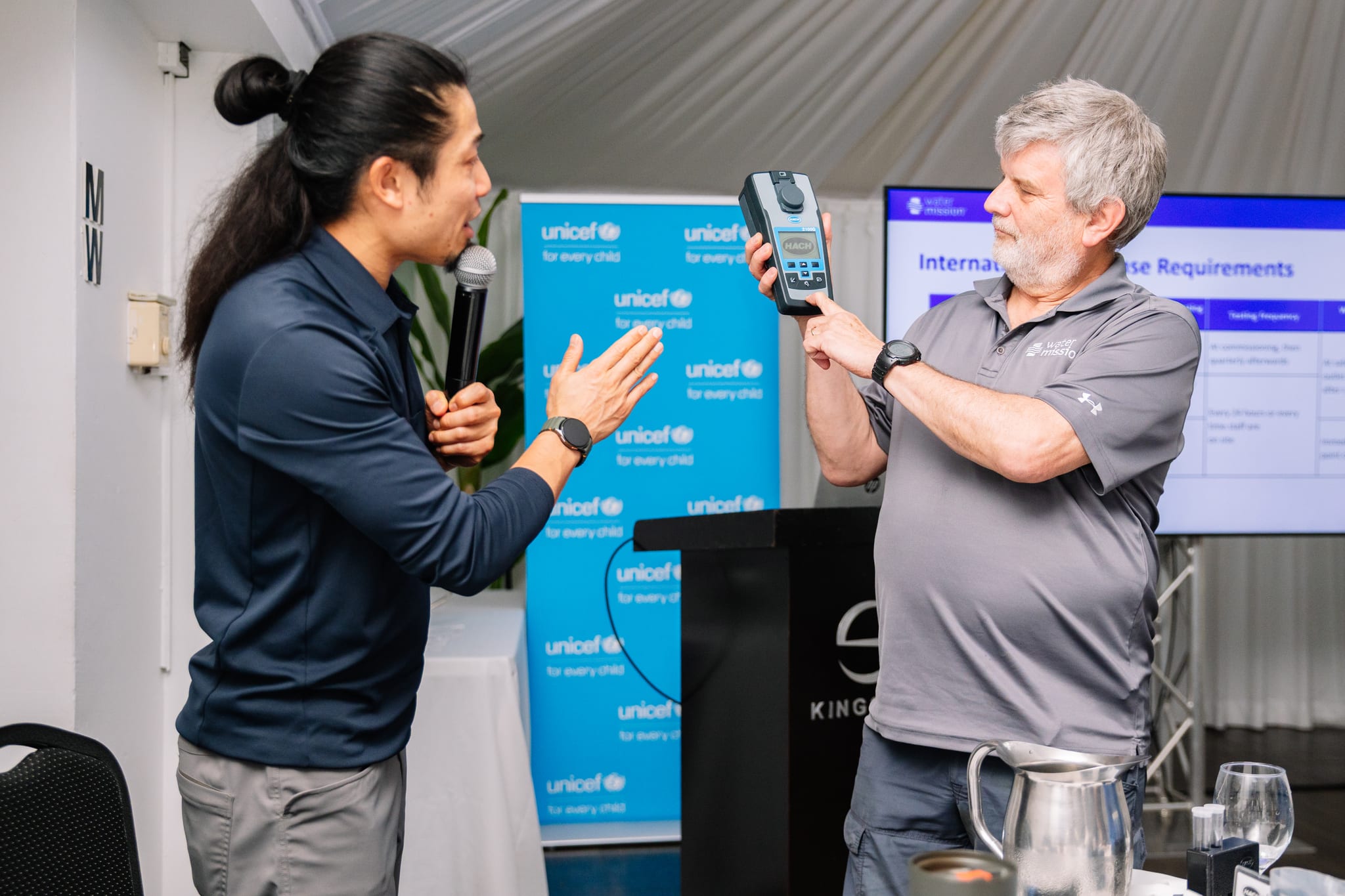
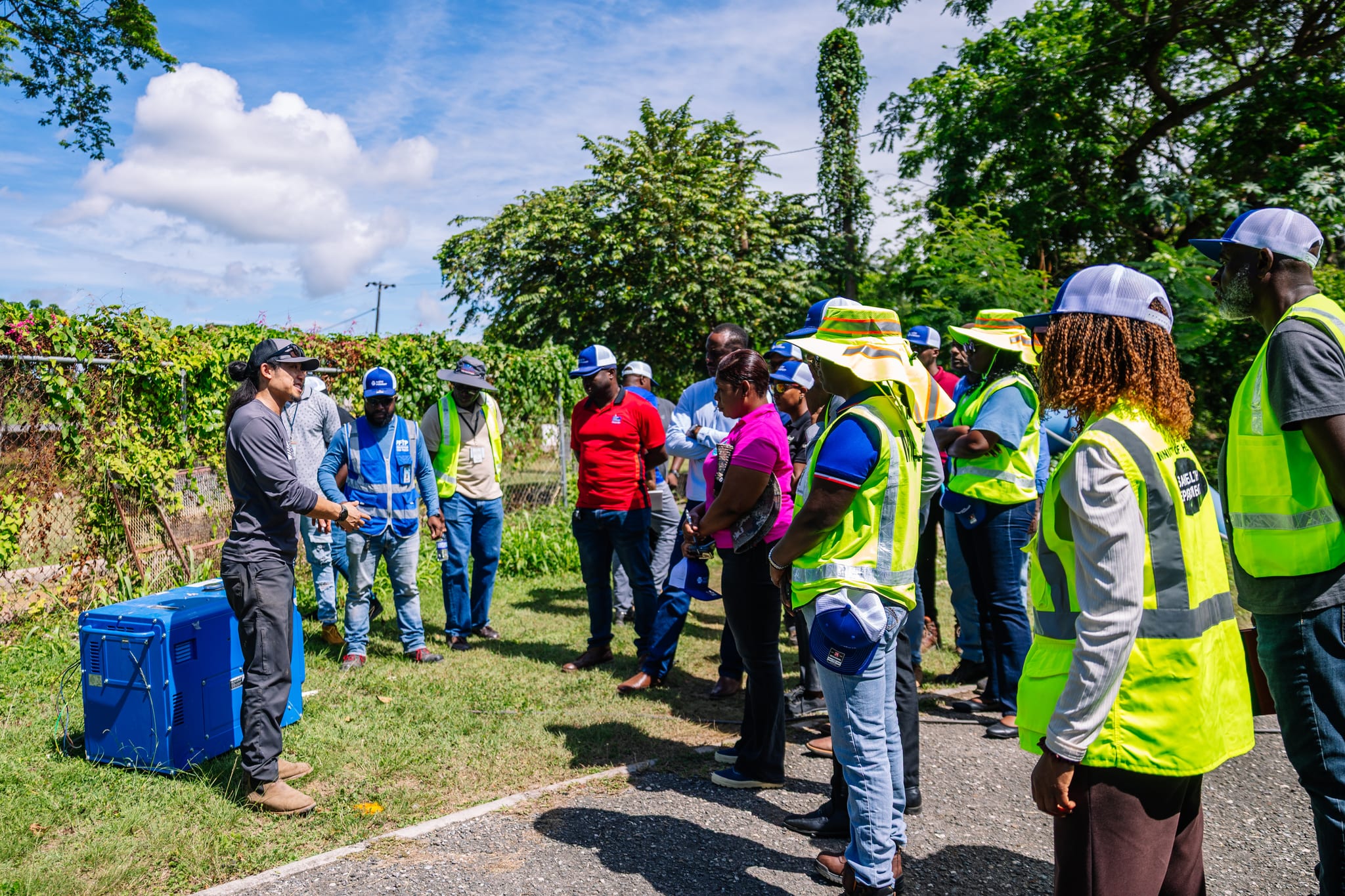
To build on the successful response, UNICEF, the National Water Commission (NWC) and partners conducted specialised training for technical officers from the NWC, Rural Water Supply Limited (RWSL), Jamaica Defence Force (JDF), Food For The Poor Jamaica, the Ministry of Health & Wellness, and the Office of Disaster Preparedness and Emergency Management (ODPEM). The three-day training focused on the operation and management of Mobile Water Treatment Units, helping ensure the country’s readiness to provide safe drinking water during future emergencies.
“Access to safe water is lifesaving in emergencies,” said Mohammad Mohiuddin, UNICEF Deputy Representative. “The lessons from Hurricane Melissa reinforced the importance of preparedness, partnerships, and local capacity. By investing in both equipment and skills, we are helping ensure Jamaica can respond faster and more effectively when disasters strike, protecting children, families, and communities.”
According to Glaister Cunningham, Vice President of Enterprise Development and Performance Monitoring at the National Water Commission, the partnership was instrumental to recovery efforts.
“Without UNICEF and its partners, we could not have restored water services after Hurricane Melissa. With the Mobile Water Treatment Units and training, our team is now better prepared for future emergencies,” said Mr Cunningham.
As part of the initiative, Mobile Water Treatment Units were formally handed over to the NWC, RWSL and the JDF, strengthening national capacity to provide safe water during disasters and enhancing Jamaica’s overall resilience to climate-related emergencies.
As the WASH Sector Coordination Lead within the UN system, UNICEF remains committed to working with government, partners and donors to strengthen national water, sanitation and hygiene coordination mechanisms and ensure access to safe water when it matters most.
Syndicated from Our Today · originally published .
Legal context · powered by Jurifi
Get the legal angle on this story. Pick a prompt and Jurifi's AI will explain it using Jamaican law.
AI replies are based on Jamaican law via Jurifi. Not legal advice.
Other coverage

UTech, Jamaica and Miya Water Jamaica Limited Partner to Establish Campus Water Efficiency Project
University of Technology, Jamaica
National Water Commission Employees Long Service Awards Ceremony 2026
Andrew Holness (Video)Watch
NWC Advises of Traffic Changes as Western Water Resilience Project Commences
Jamaica Information Service
JISTV | PM Keynote Address at NWC Service Excellence Award Gala 2026
Jamaica Information Service (Video)Watch
NWC Service Excellence Award Gala || July 2, 2026
PBC Jamaica (Video)Watch