

US indicts former Cuban President Raúl Castro over 1996 downing of planes
United States federal prosecutors on Wednesday charged former Cuban President Raúl Castro with ordering the 1996 shootdown of civilian planes operated by Miami-based exiles, a major escalation of pressure by the Trump administration on the socialist government.
President Donald Trump has set a calamitous energy blockade on the island and has been threatening military action ever since US forces captured the Cuban government’s longtime patron, Venezuelan President Nicolás Maduro.
The indictment charges Castro with murder, conspiracy to kill US nationals and destruction of aircraft.
A grand jury in Miami returned the indictment late last month, and it was unsealed on Wednesday, acting Attorney General Blanche said.
The indictment is connected to Castro’s alleged role in the 1996 shootdown of two planes operated by the Miami-based exile group Brothers to the Rescue.
Castro was the defence minister at the time.
Cuba’s shootdown in 1996 of two Cessna aircraft operated by the Brothers to the Rescue was a watershed moment in decades of hostilities between the two countries.
At the time, President Bill Clinton had been cautiously exploring ways to reduce tensions with a Cold War adversary but faced stiff opposition from exiles who organized publicity-seeking flyovers of Havana, dropping anti-Castro leaflets, and aiding Cuban rafters fleeing economic deprivation and single-party rule.
The Cubans had warned the US government for months that it was prepared to defend against what it considered deliberate provocations.
But those calls went unheeded and on February 24, 1996, missiles fired by Russian-made MiG-29 fighter jets downed two unarmed civilian Cessna planes just beyond Cuba’s airspace, according to an investigation conducted by the International Civil Aviation Organization.
A third plane, carrying the organization’s leader, narrowly escaped.
“With hindsight, it appears the Castros’ motive was to slow down the Clinton outreach because they needed the US as an external enemy to justify their national security posture,” said Richard Fienberg, who worked on Cuban issues at the National Security Council at the time.
They succeeded beyond their wildest dreams, said Feinberg.
Shortly after the shootdown, Congress passed what became known as the Helms-Burton Act, which codified a US trade embargo enacted in 1962 and made it far more complicated for successive US presidents to engage with Cuba.
To date, the US has convicted only a single person of conspiracy to commit murder in connection with the Brothers to the Rescue shootdown.
Gerardo Hernández, the leader of a Cuban espionage ring dismantled by the FBI in the 1990s, was sentenced to life in prison but was released by President Barack Obama during a prisoner swap in 2014 as part of an attempt to normalise relations with Cuba.
Two fighter jet pilots and their commanding officer have also been indicted but are outside the reach of US law enforcement while living in Cuba.
Follow The Gleaner on X, formerly Twitter, and Instagram @JamaicaGleaner and on Facebook @GleanerJamaica. Send us a message on WhatsApp at 1-876-499-0169 or email us at [email protected] or [email protected].
Syndicated from Jamaica Gleaner · originally published .
Legal context · powered by Jurifi
Get the legal angle on this story. Pick a prompt and Jurifi's AI will explain it using Jamaican law.
AI replies are based on Jamaican law via Jurifi. Not legal advice.
Other coverage
US Charges Former Cuban President Raúl Castro Over 1996 Plane Shootdown Case
ZIP FM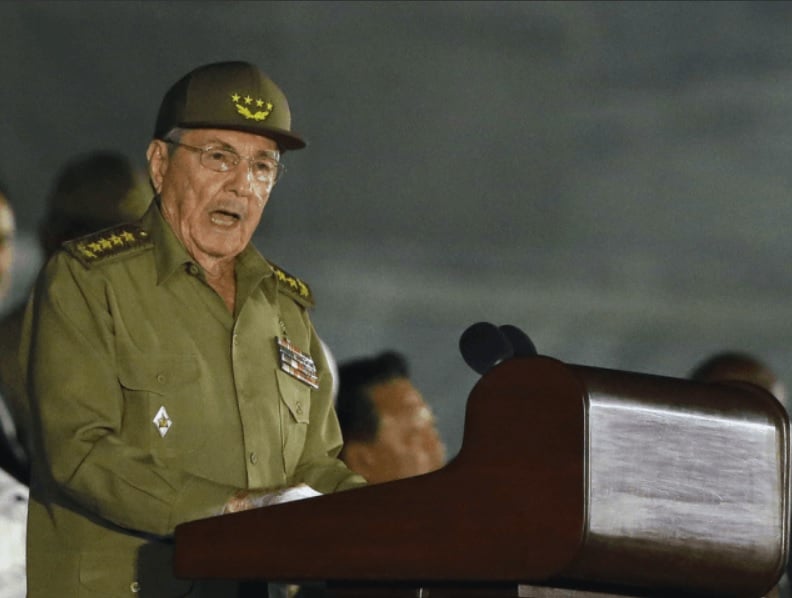
US indicts former Cuban leader Raul Castro over 1996 downing of civilian planes
Cnweekly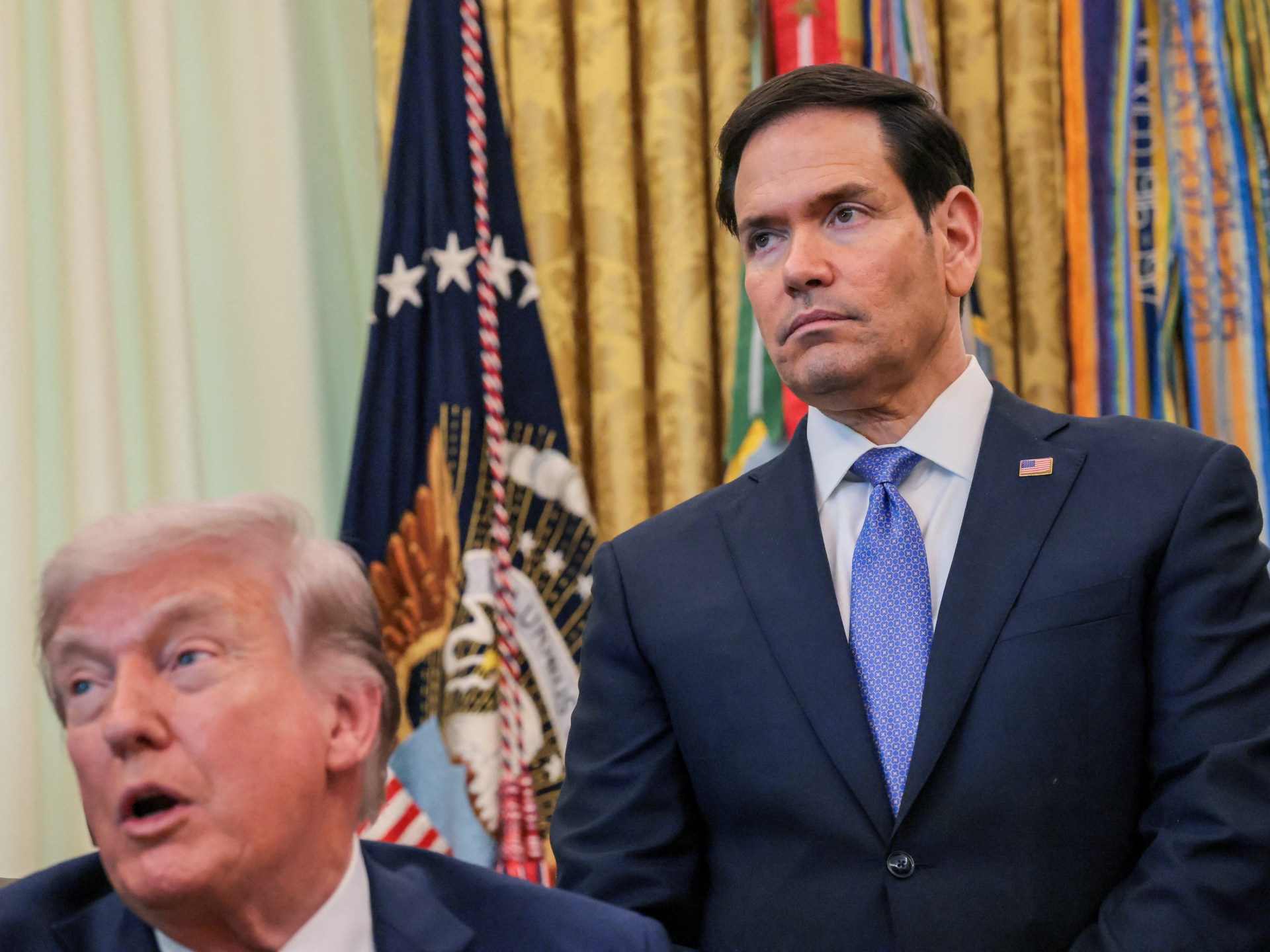
US raises threat of military action against Cuba
Jamaica Inquirer
US and Cuba intensify negotiations as its economic and social crisis deepens
Our Today
Trump imposes more sanctions on Cuban officials
Caribbean Life