

Hotel association presses for managed beach access as shoreline rights debate widens
Christopher Jarrett, who heads the Jamaica Hotel and Tourist Association (JHTA), has weighed in as public argument over shoreline rights grows and some matters move through the courts. The group is asking every party with a stake in the coast to back a system that lets Jamaicans and overseas visitors reach the beach safely, fairly, and under clear rules.
"The question before Jamaica is not whether Jamaicans and visitors alike should access our beaches — they absolutely should," said Christopher Jarrett, President of the JHTA. "The question is how we enable access in a manner that protects our people, our visitors, and our coastlines. We must create a positive and safe experience for everyone, while we continue to support and build the local businesses that rely on a successful and safe tourism industry."
The association rejects any reading of regulated beach entry as a way to shut people out. It backs genuine public use of the shoreline and says access must be built on a management plan that follows the law, so citizens and guests alike know where they stand.
Where beaches lack oversight, the JHTA argues, informal control, intimidation, and environmental harm have often made coastlines hard to enjoy with confidence. Reports from poorly kept sites across the island point to harassment, illegal vending, crime, and unsafe conditions that put locals and travellers at risk. The group treats these as the predictable result of ungoverned space, not isolated lapses.
Safety for every beachgoer must sit at the centre of the national talk, it says. To stand against managed access, in its view, is to accept fear and disorder as part of a day by the sea — a standard the JHTA will not accept.
Weak sanitation, piled-up waste, worn shorelines, missing basic facilities, and a sense of lawlessness have left many stretches unwelcoming. That outcome, the association stresses, is not because Jamaicans lack care for their environment, but because no open space can be kept in good order without proper governance.
Jamaica's name as a respected holiday market, built over roughly seven decades, ranks among the country's strongest economic engines. That standing, the JHTA warns, cannot hold where beaches are marked by unrest, insecurity, or disorder. Bad reports travel quickly through international media and social networks that shape travel choices.
The group notes that its members work fully within Jamaican law. Legal rights held by property owners — including homeowners and hospitality investors who acquired land through lawful routes — must be given full weight in any settlement.
Tourism assets represent billions of dollars in long-term investment, tens of thousands of direct and indirect jobs, notable community development, and ties to service providers, farmers, artisans, and many other suppliers.
The JHTA plans to give the Government detailed recommendations after reviewing the proposed Beach Access Policy. Once that advice is shared, it expects officials to take on board concerns from all stakeholders as they work toward consensus on a legal framework that protects everyone who uses the coastline.
As rights for beach users are clarified, investor confidence must be preserved and Jamaica must show the world it takes its duties to citizens, visitors, and investors seriously, the association insists. The reputational cost of further delay is one the country cannot afford.
The JHTA restates its support for meaningful public access and holds that every Jamaican should enjoy the coast in a safe, clean, and dignified setting. The real issue, it says, is not whether access should exist, but how it is organised, maintained, secured, and funded for current and future generations.
It pledged to keep talking constructively and to partner with the Government and other stakeholders on a coastal model that serves the whole country and strengthens the tourism industry so many depend on.
Syndicated from Our Today · originally published .
Legal context · powered by Jurifi
Get the legal angle on this story. Pick a prompt and Jurifi's AI will explain it using Jamaican law.
AI replies are based on Jamaican law via Jurifi. Not legal advice.
Other coverage
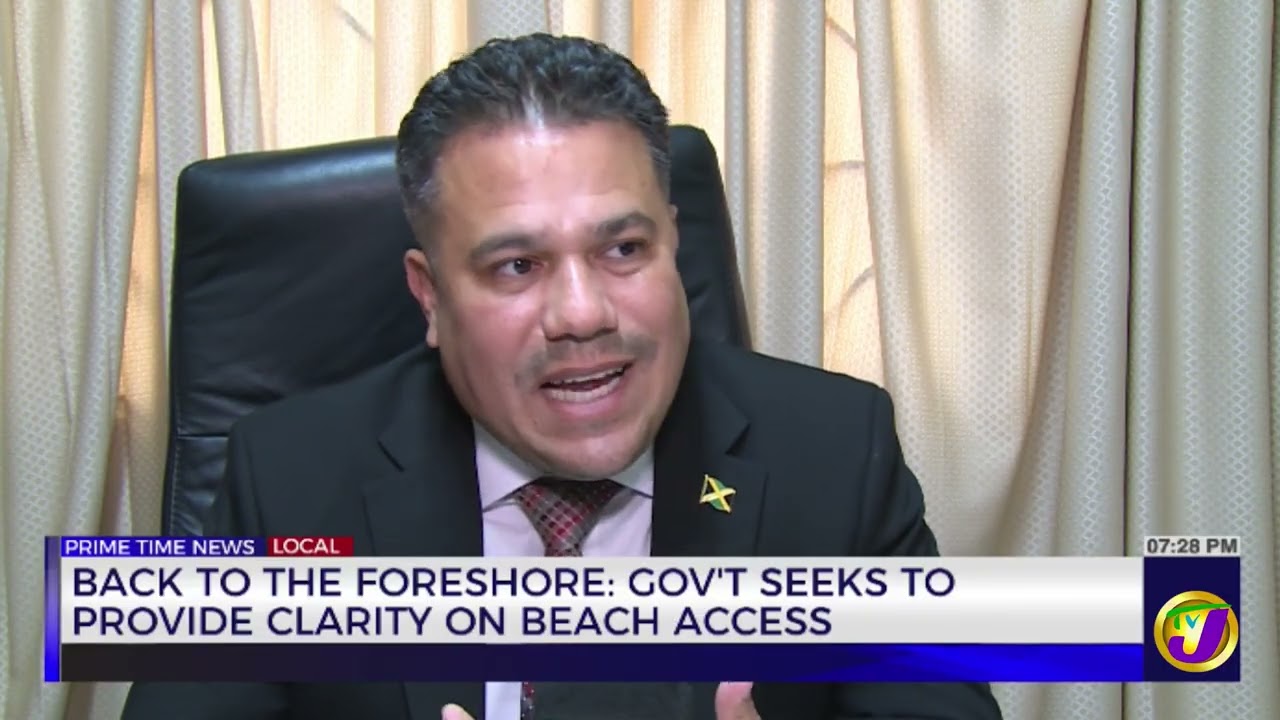
Back to the Foreshore: Gov't Seeks to Provide Clarity on Beach Access | TVJ News
Television Jamaica (Video)Watch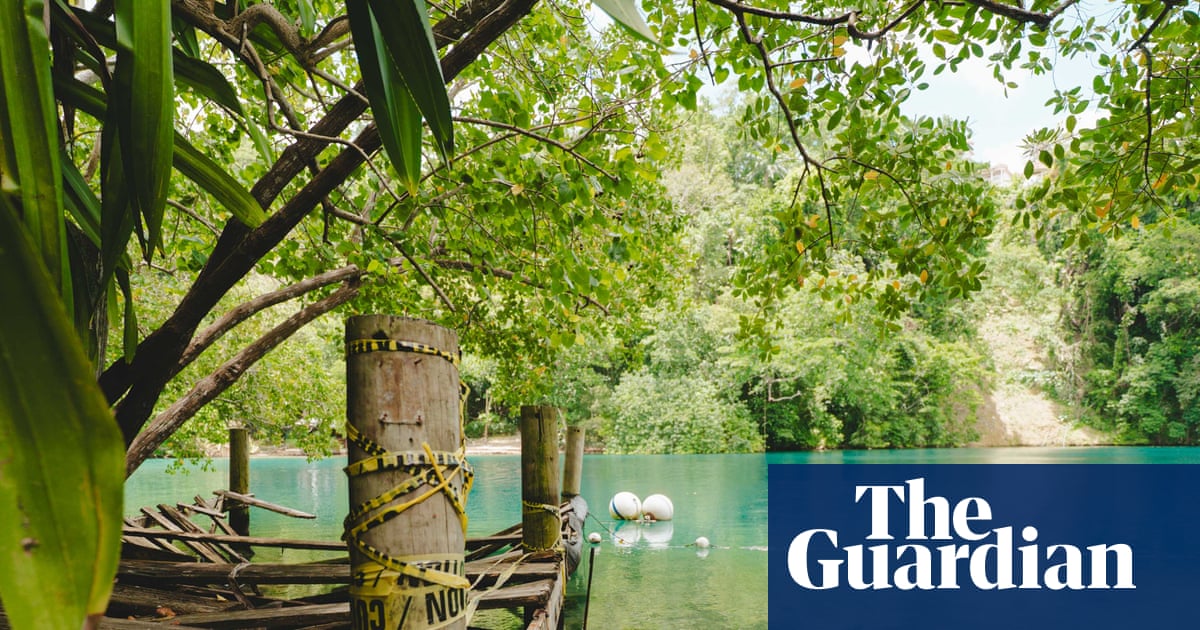
Jamaica’s beach access crisis: ‘We shouldn’t be forced to fight for what is already ours’
The Guardian (Jamaica)
Deportee deal draws fire
Jamaica Gleaner
Stop watching from the sidelines!
Jamaica Observer
No deportee flood
Jamaica Observer