
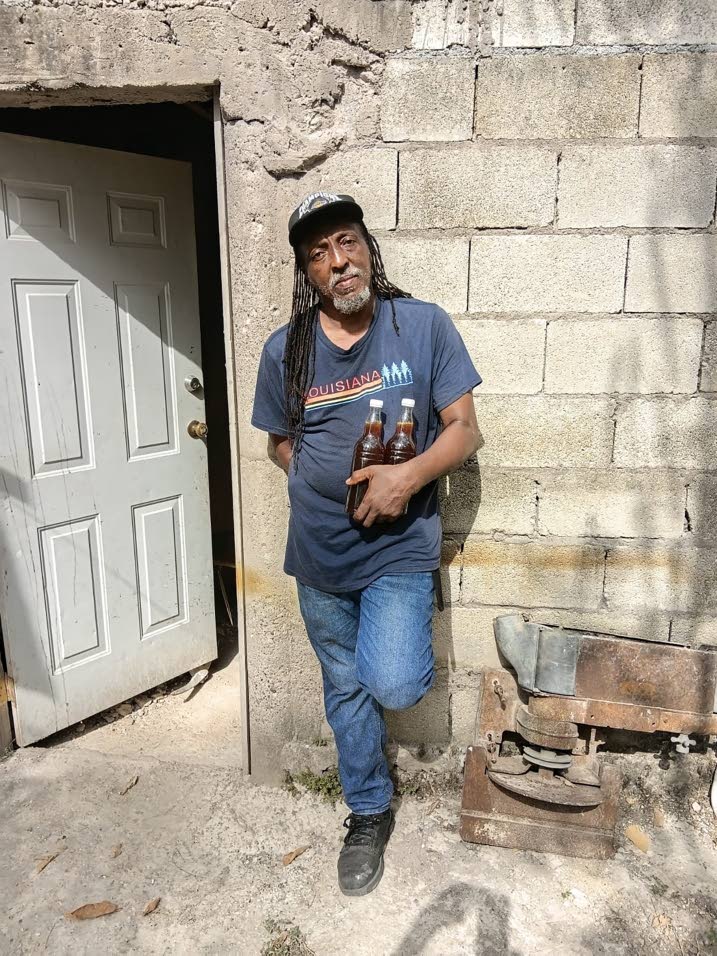
Beekeepers Warn of National Honey Crisis as Melissa-Hit Nectar Trees Struggle to Recover
MONTEGO BAY, St James — Jamaica may confront a serious honey shortage before the year closes, with the drawn-out fallout from last October's Hurricane Melissa still hobbling the beekeeping sector, according to Dennis McKay, president of the St James Bee Farmers' Association.
Speaking to the Jamaica Observer on Tuesday, McKay said the fierce heat currently gripping the island is a minor worry next to what the Category 5 system left behind. “It's not so much the heat that is the crisis for the bees. Probably the major problem at this time is the impact of the hurricane and the trees that are missing. The storm turned down all the trees that provide the nectar and the pollen that support the bees. They are unable to get the nectar, so they cannot get enough nectar to store that we can get honey,” he said.
Ordinarily, he noted, these months mark the peak of the honey season, the stretch when beekeepers pull their heaviest harvests. But with a large share of nectar-bearing trees destroyed and only now starting to bounce back, colonies are collecting barely enough to feed themselves instead of laying down reserves.
“As the bees get the little nectar, it is only enough to feed them, not enough to store. So that is the major crisis as it relates to where the beekeeping and the honey business is going to go,” he said.
Output has fallen so sharply that many farmers are seeing only a sliver of their normal yield. “A man used to get maybe 100 bottles from an apiary, [now] he only gets four bottles,” McKay said. Even large commercial operators who once moved honey by the drum, he added, can now supply just a handful of bottles. “He's not getting enough that he can be selling by the drum, like before,” he added.
Numerous beekeepers were dealt a second heavy setback, losing whole colonies during the storm. “We are heading into a honey crisis,” he warned.
The tightening supply is already showing up at the till, McKay said. “Right now, honey used to be selling for $3,000 a bottle. I went into a supermarket and see it for $4,800, before tax added. This is the middle of the honey season; this is a time when everybody get honey,” he said. He forecast steeper costs by Christmas, cautioning: “Going down to December, you might be paying $7,000 per bottle.”
Some battered trees are sprouting again, but McKay expects the comeback to be slow and cautioned that a further serious weather event could deepen the trouble. “The existing trees now that are coming up, they may blossom next year, or we might have to start talking about importation of honey,” he said.
He is wary of leaning on imported supplies, however, since buyers cannot always be sure of what they are getting. “I am seeing online where honey is made without bees. It's only when you buy your local honey [that] you can have certain confidence that at least it come from bees,” McKay said.
After the hurricane, the Government handed out sugar to beekeepers to keep weakened colonies alive, an intervention McKay said served a purpose while nectar was in short supply. “Bees don't make honey with sugar. They use the sugar syrup to feed their young. As soon as trees start to blossom they don't want that sugar water anymore,” he underscored.
In his view, the relief effort should also have covered replacing lost colonies. Flowering trees remain in some districts, he pointed out, but many of the bees required to pollinate them and turn that bloom into honey were wiped out during the hurricane. “We have to be concerned because some people depend on that for a living,” McKay said.
Syndicated from Jamaica Observer · originally published .
Legal context · powered by Jurifi
Get the legal angle on this story. Pick a prompt and Jurifi's AI will explain it using Jamaican law.
AI replies are based on Jamaican law via Jurifi. Not legal advice.
Other coverage

Ground Broken for $80M Hartlands Irrigation Project
Jamaica Information Service
Too many options can overwhelm the brain
Jamaica Gleaner
Women’s Centre wants sex offenders’ registry public
Jamaica Star
Livestock Owners Urged to Stock Up on Supplies for the Rainy Season
Jamaica Information Service
Chuck Fenda values impact over accolades
Jamaica Gleaner