
Jamaican Iguana Recovery Could Lift Population Above 3,000 Within 10 Years
TRELAWNY, Jamaica — Jamaica’s Jamaican iguana recovery programme could see the rare reptile’s numbers climb from more than 400 today to between 3,000 and 4,000 over the coming 10 years, according to Minister of Water, Environment and Climate Change Matthew Samuda.
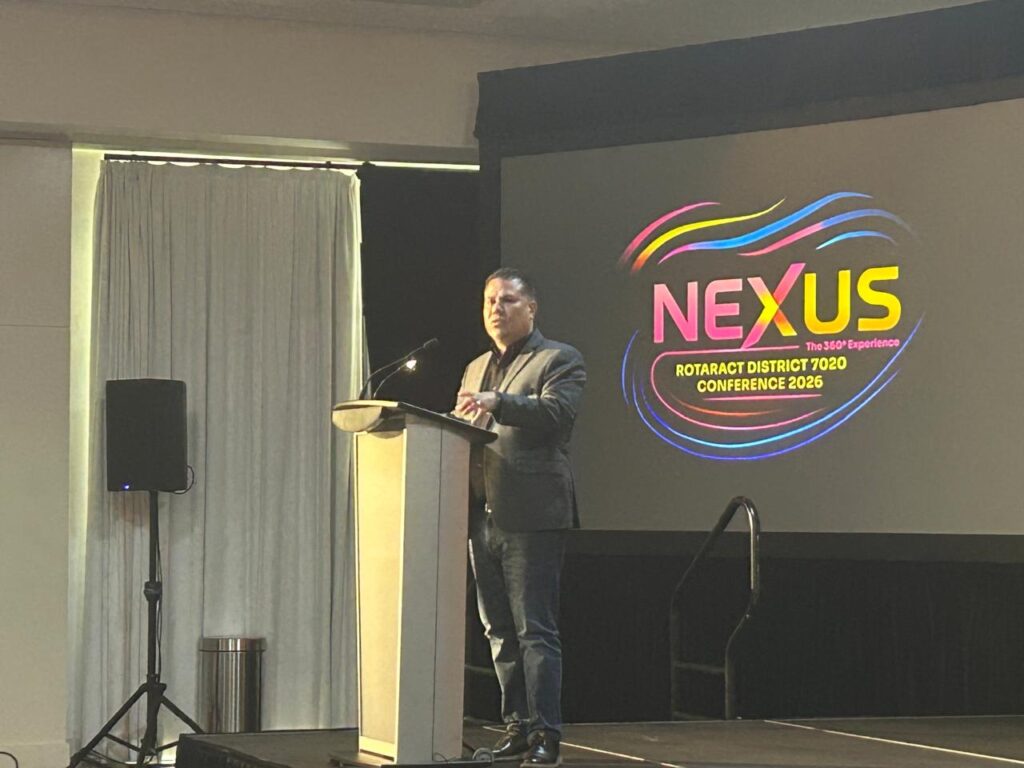
Samuda gave the update last Friday at the Rotaract District 7020 Conference at Ocean Coral Spring Resort in Trelawny. He was answering a question from a delegate identified only as Lewis, who represented the Rotary Club of Providenciales in the Turks and Caicos Islands.
The conference, held under the theme “The Nexus 360° Experience,” brought together 135 delegates from Jamaica, Haiti, The Bahamas, the Turks and Caicos Islands, the Cayman Islands, the British Virgin Islands and Montserrat.
Lewis asked about Jamaica’s progress in saving its endangered iguanas, pointing out that conservation workers in the Turks and Caicos Islands had also moved to pull native rock iguanas back from the brink of extinction.
Samuda said the Jamaican iguana, Cyclura collei, was the animal being discussed and noted that it had once been thought to be extinct. “The population is somewhere between 500 and 600 now, and prospects for growth up to 3,000 to 4,000 are there over the next 10 years with the work that the National Environment and Planning Agency is doing with the IUCN,” Samuda said.
He said the species was considered lost in Jamaica in the 1940s, before later conservation work helped to restore it in the Hellshire Hills in the 1980s.
The Jamaican iguana, also called Colley’s iguana, exists naturally only in Jamaica and is counted among the rarest lizards globally. The reptile was once present across wide sections of the island, as well as on Great Goat Island and Little Goat Island, but its remaining stronghold is now mainly in the Hellshire Hills forests of St Catherine.
Samuda said the rebound has been supported by work involving the National Environment and Planning Agency and the International Union for Conservation of Nature, which is the world’s largest environmental network.
The Rotaract District 7020 Conference also had a sizeable overseas presence, with most attendees coming from other territories and countries. Haiti accounted for more than 30 of the participants.
“Thanks to the Ministry of National Security and Peace along with PICA (Passport, Immigration and Citizenship Agency) for assisting us by waiving their visa fees,” District Rotaract Disaster Relief and Environmental Sustainability Chair and conference training team lead Natasha Burnett told Observer Online.
Syndicated from Jamaica Observer · originally published .
Legal context · powered by Jurifi
Get the legal angle on this story. Pick a prompt and Jurifi's AI will explain it using Jamaican law.
AI replies are based on Jamaican law via Jurifi. Not legal advice.
Other coverage

Festival Song entries released
Jamaica Gleaner
Jamaica Diaspora Conference at Capacity, Virtual Participation Available
Jamaica Information Service
Jamaica must turn today’s uncertainties into tomorrow’s opportunities – Minister Charles
Our Today
‘No man is an island’ - Jamaicans at home and abroad urged to speak out against international injustices
Jamaica Gleaner
Jamaican Artistic Swim Team Wins 7 Gold Medals in Florida
Jamaicans.com