Jamaican film Stew Peas examines obeah, love rituals and creative resilience
A new feature by award-winning Jamaican filmmaker Sosiessia Nixon is turning attention to obeah, the west African-influenced system of spiritual practice and healing that has long survived in Jamaica.
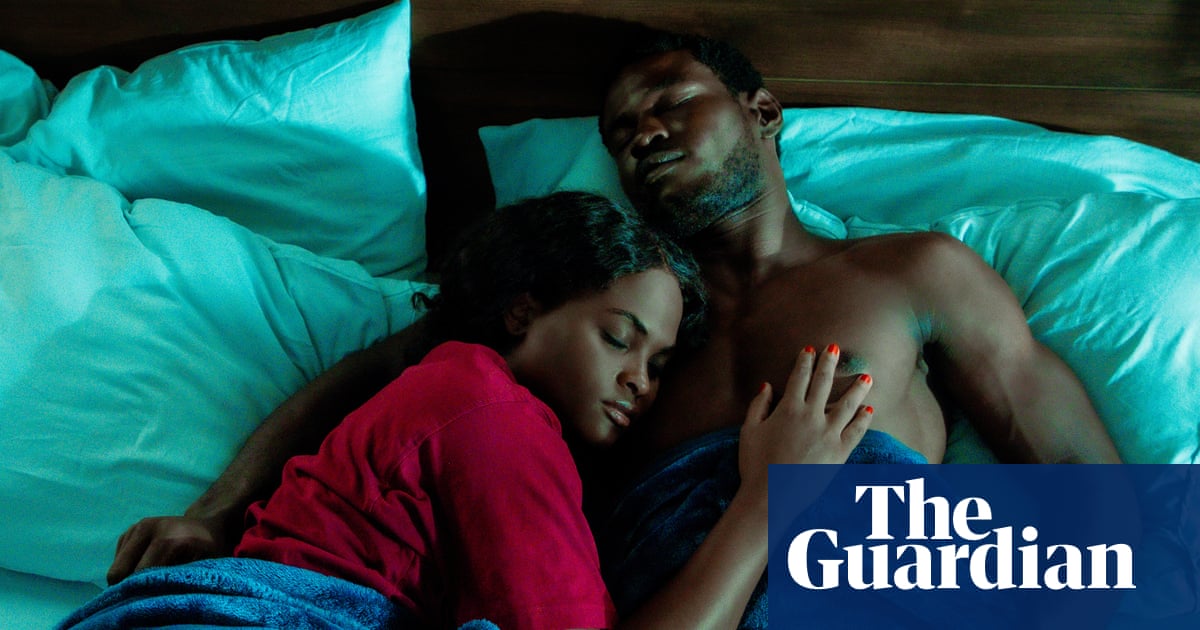
Nixon’s suspense film, Stew Peas, follows Tessa, a Jamaican detective whose fixation on an unsolved killing begins to consume her. Her private life also starts to unravel after she suspects that Neil, her husband, has been placed under the influence of Marcia, a recently hired maid.
The plot becomes more disturbing when Tessa learns that Marcia has been putting a hidden element into Neil’s meals: menstrual blood. Nixon said the story centres on a Jamaican belief that a woman can hold a man in a relationship by feeding him stew peas prepared with that blood, turning the familiar kidney bean and meat dish into a love charm.
“This film focuses on the persisting Jamaican obeah belief, that a woman could ‘bind’ a man in a relationship by serving him a meal of the traditional kidney beans and meat stew, which becomes a potent love potion when her menstrual blood is added,” Nixon said.
Nixon wants the production to encourage public discussion about the uneasy relationship between Christianity and obeah. The practice, tied to Jamaica’s African inheritance, continues even though colonial authorities banned it in the 1700s and it remains against the law.
“The practice of binding a man with stew peas remains very much taboo in Jamaica, and I wanted to open a conversation. I wanted to look at this belief system in depth. Jamaicans often say that belief kills and belief cures, meaning that whatever you believe, that is what is going to happen. So, does this thing really work?” Nixon said.
The filmmaker said her own background helped shape the story. She is from St Thomas, the coastal parish on Jamaica’s south-east, a place sometimes referred to as the “obeah parish”, and said real-life encounters influenced the film.
“Growing up in St Thomas, I was very much exposed to a lot of obeah,” Nixon said.
Producer and actor Ava Eagle Brown, founder of Jamaica’s Black River Film Festival, said the movie should connect strongly with Caribbean audiences, including Jamaicans living overseas. “There is so much of us in this film, the things that make us Jamaican – especially if you’re in the diaspora … it brings you back home.”
Brown, who also appears in Stew Peas, joked that the film may leave some men more wary at mealtime. “It’s probably going to now have some men looking at their woman with suspicion and asking: ‘What did you put it in my stew peas?’” she said. “But on a serious level, I told my son to make sure he doesn’t eat any stew peas from any woman!”
Sonjah Stanley Niaah, a Jamaican cultural studies scholar who directs the Centre for Reparation Research at The University of the West Indies, said the stew peas belief reflects an African understanding that elements from nature, including menstrual blood, carry power. She said the red kidney beans are believed to conceal the blood so the man being targeted would not notice it.
Stanley Niaah said the film creates space to examine African spiritual traditions that have often been distorted, condemned and criminalised by European colonial powers, especially because such practices were associated with resistance and uprisings among enslaved Africans.
“People in this part of the world are people of African descent and there’s a pantheon of African spirituality that we have in our blood, that we have inherited … But [today], African spirituality has no attention, no substance, it’s not being taught in schools, we are so afraid of ourselves, we are neglecting it,” she said.
She also pointed to the continuing friction between Christian worship and African spirituality in the Caribbean, noting that the church sanctioned enslavement. Laws across the region, she said, were shaped in part to stop enslaved people from gathering, whether for worship or rebellion, and that legacy remains visible in Jamaica’s Obeah Act.
Stanley Niaah said Jamaica must continue producing films that present Caribbean communities and culture with confidence, even while the country faces difficult recovery work after Hurricane Melissa.
Brown, who cancelled this year’s Black River Film Festival after Hurricane Melissa badly damaged sections of Black River, where the event is usually staged, said Stew Peas offers “a ray of hope” at a time when Jamaica’s multibillion-dollar creative sector is trying to rebound.
“This year I had to postpone the Black River film festival, which was a real blow because it was part of how Jamaican creatives were starting to connect with the globe, including contacts from major networks like Canal+ and Netflix,” she said.
“The hurricane destroyed so much! It destroyed infrastructure, equipment and for some people it destroyed hope. And that is why we need projects like this that demonstrate the resilience of Jamaicans, and send a message to the world that we are still making music and movies and adding that quintessential Jamaican green, gold and black hue to entertainment.”
Jamaica’s film commissioner, Jackie Jacqueline Jackson, said productions such as Stew Peas show the strength and drive of the local creative economy. She described the film as “a powerful testament to the resilience, ingenuity, and determination of Jamaica’s creative industry”.
“It’s important to keep going and demonstrate that Jamaica is still open for business. By signalling this, it encourages international productions to return to Jamaica which positively affects jobs and film production expenditure,” Jackson said.
Syndicated from The Guardian (Jamaica) · originally published .
Legal context · powered by Jurifi
Get the legal angle on this story. Pick a prompt and Jurifi's AI will explain it using Jamaican law.
AI replies are based on Jamaican law via Jurifi. Not legal advice.