
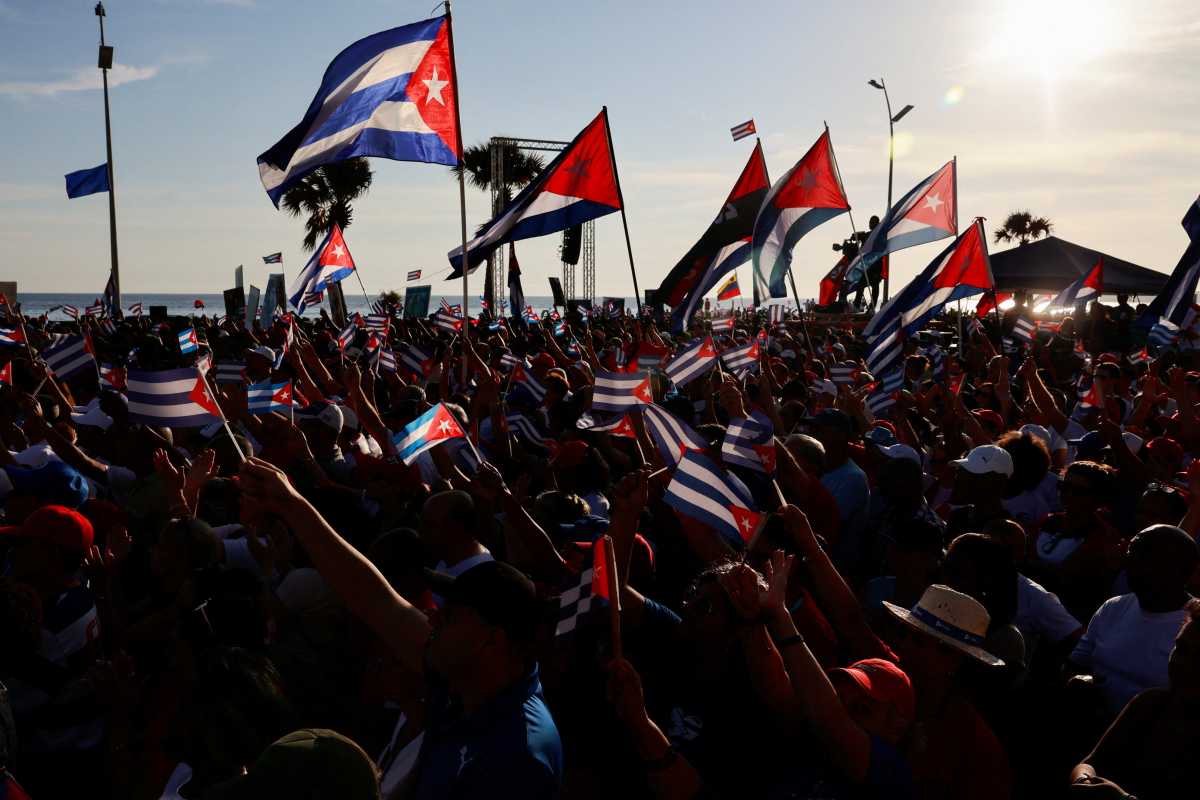
CARICOM Ministers Denounce US Pressure on Cuba After Suriname Talks
Caribbean foreign ministers have sharply rebuked the United States over threats of military action against Cuba, while Washington maintains a decades-long embargo that has limited the island’s access to fuel, food and other basic supplies.
The criticism came after a recently concluded meeting of the regional group in Suriname. In a notably forceful statement, the ministers said Cuba does not endanger any nation and should be able to secure fuel and other necessities for its population. They also voiced concern over American remarks that pointed to possible military action against Havana.
As has happened in recent months, two of Washington’s key geopolitical partners in the Caribbean did not join the position. “The Cooperative Republic of Guyana and The Republic of Trinidad and Tobago reserve their positions on the foregoing statement,” the declaration said. The reservation meant the two governments did not back the unusually direct language used by the foreign ministers.
Guyana and Trinidad and Tobago, both major oil and gas producers in the southern Caribbean, have been firm supporters of United States military and other regional activities over the past year.
The CARICOM statement was issued hours after Jamaica’s main opposition People’s National Party also criticised the Trump administration. The PNP accused Washington of using executive orders that could create “severe hardship for the Cuban population,” including serious disruption to Cuba’s leading health-care programmes.
Setting out their case, the foreign ministers said they were worried by the growing economic, commercial and financial pressure being “imposed upon Cuba.” They said they “unequivocally” affirm “Cuba’s sovereign right to import and receive fuel, and condemns the obstruction of energy supplies to Cuba, which has precipitated a grave humanitarian crisis. Cuba poses no threat to any nation, that it stands as a peaceful and cooperative member of the international community, and that the continued application of these unilateral coercive measures constitutes an unjustifiable violation of human rights, the principles of free trade, and the fundamental norms governing relations among sovereign states.”
CARICOM’s latest stance follows a decision by regional leaders at their February summit in St. Kitts to send Cuba a major humanitarian and assistance package. The region has had close ties with Cuba for decades, though it remains unclear whether any shipments have yet been delivered.
Guyana, Jamaica, Trinidad and Tobago, and Barbados established diplomatic relations with Cuba in 1972, breaking with years of isolation apart from links Havana had maintained with neighbours such as Mexico. Those relationships have stayed strong since then.
The ministers also said they were recommitting to the Caribbean as a zone of peace. They expressed alarm over recent statements raising the prospect of military action against Cuba, warning that such a move would cause needless suffering, bring heavy material costs, and seriously unsettle the region’s security arrangements.
Syndicated from Caribbean Life · originally published .
Legal context · powered by Jurifi
Get the legal angle on this story. Pick a prompt and Jurifi's AI will explain it using Jamaican law.
AI replies are based on Jamaican law via Jurifi. Not legal advice.
Other coverage

Elizabeth Morgan | Another Caribbean tragedy in the making?
Jamaica Gleaner
Jamaican medical student in Cuba holds strain amid country's fuel crisis
Radio Jamaica News Online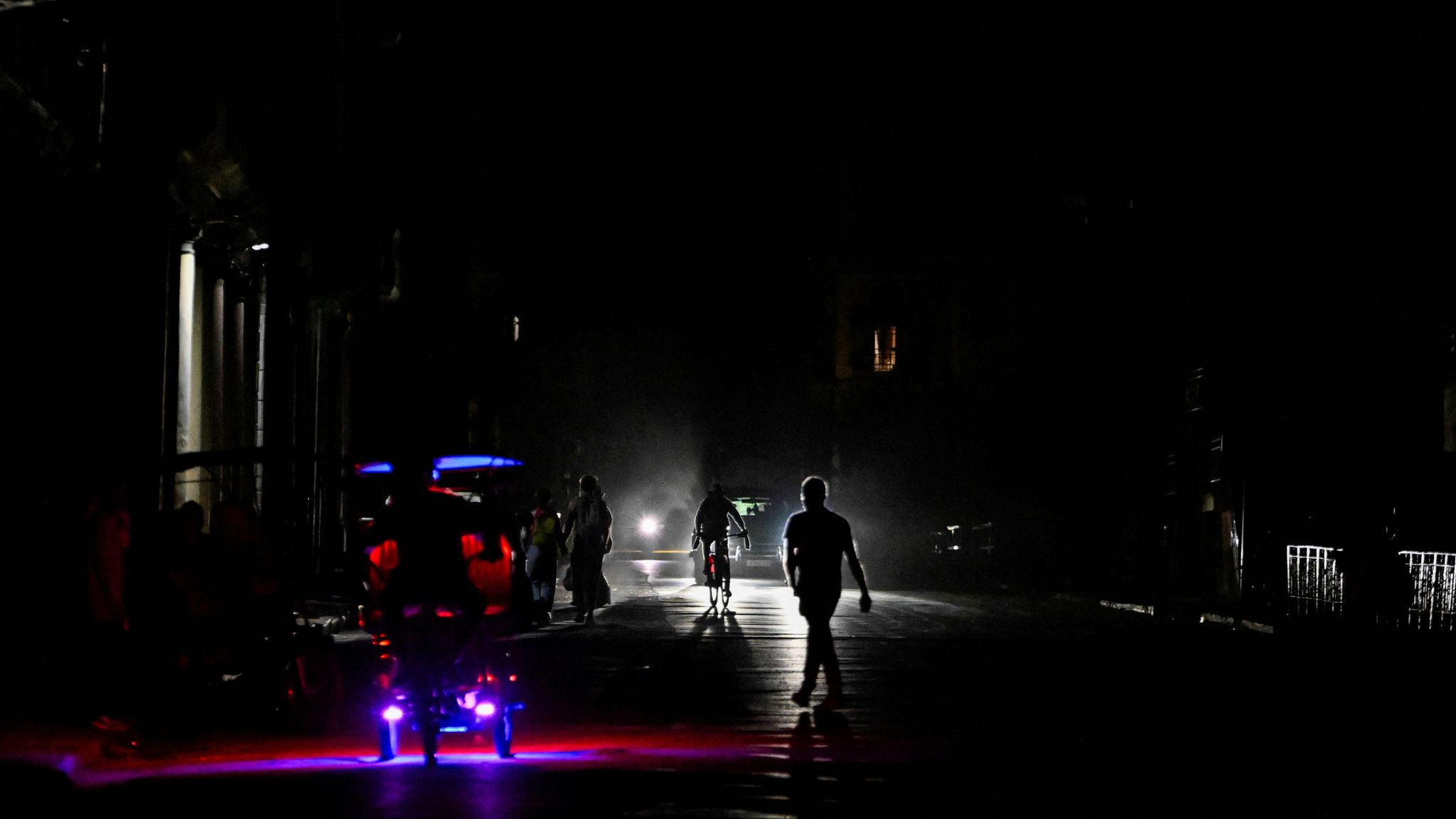
Cuba Warns of ‘Bloodbath” as US Imposes New Sanctions
CVM TV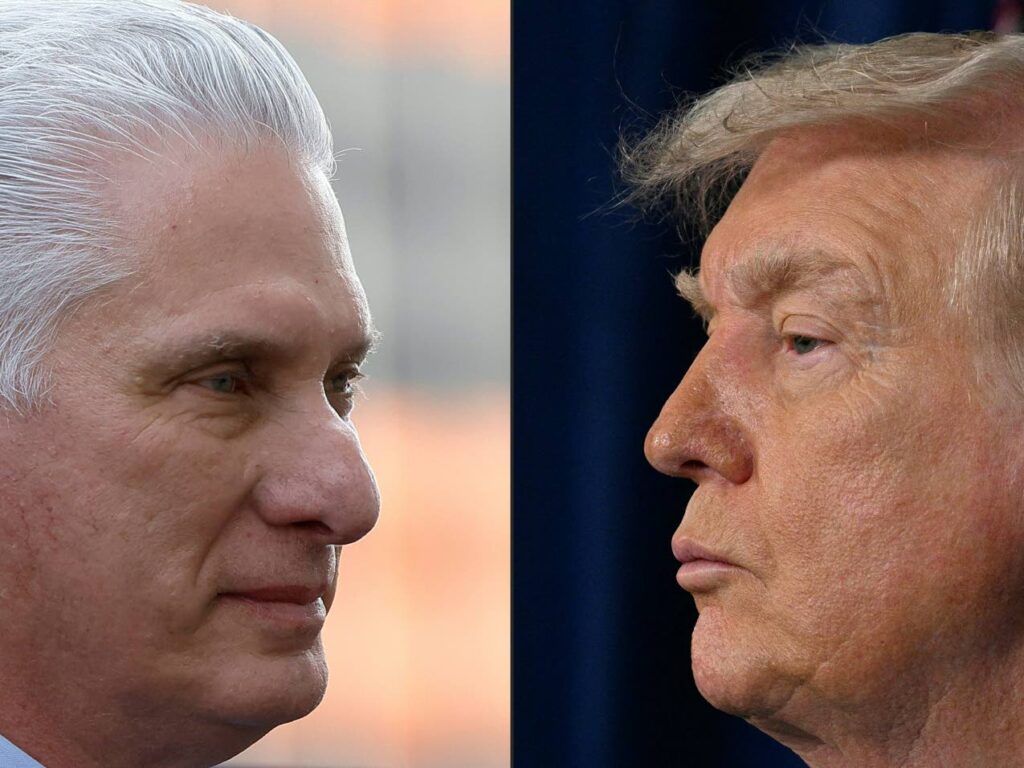
PNP calls for coordinated regional response to Cuba-US tensions
Jamaica Observer
Nand C. Bardouille | Why CARICOM’s diplomatic nadir lingers
Jamaica Gleaner