
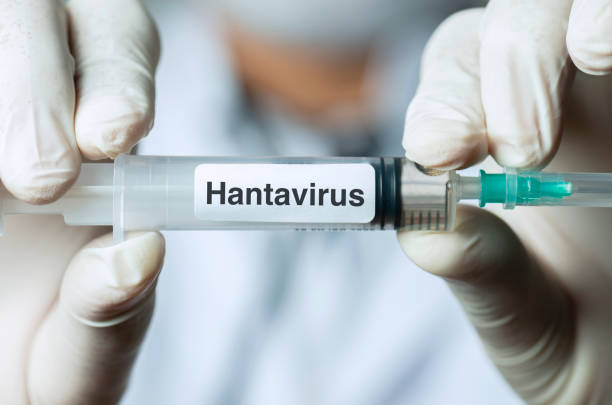
CARPHA urges caution even as hantavirus infection risk low in the Caribbean
PORT OF SPAIN, Trinidad (CMC) — The Trinidad-based Caribbean Public Health Agency (CARPHA) says the risk of infection of the hantavirus is low in the Caribbean region.
“At this time, the risk to the Caribbean region is considered low. In the Americas, hantaviruses are most commonly transmitted by wild field rodents rather than urban rat populations, where transmission is less likely,” said CARPHA’s executive director, Dr Lisa Indar, pointing out also that although human-to-human transmission of hantavirus is possible, it is rare.
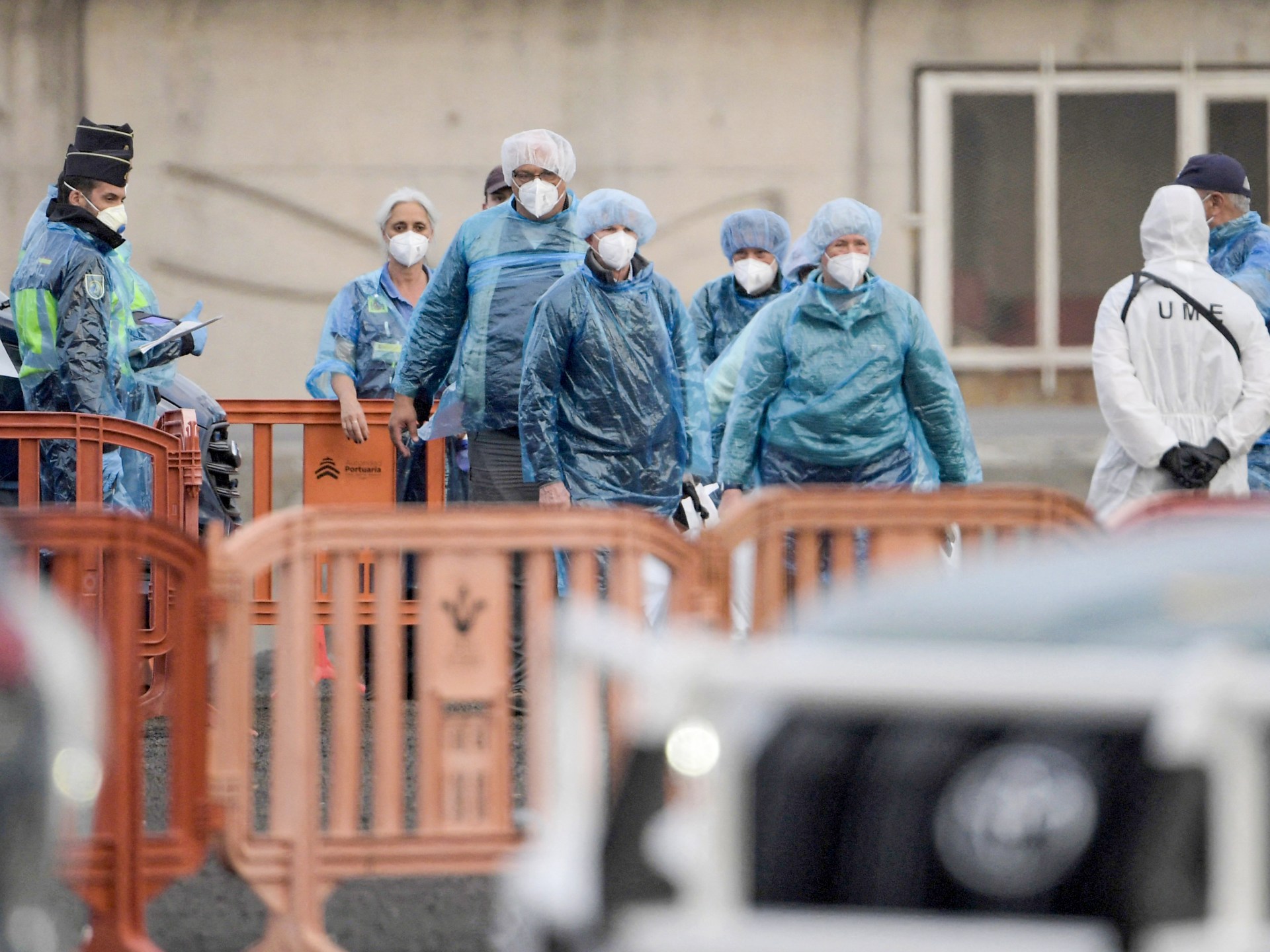
The St Kitts and Nevis Government says one of its nationals was among the passengers aboard the stricken vessel, MV Hondius, but that “there are currently no reported or suspected cases of hantavirus in St Kitts and Nevis”.
As of Friday, the British Government said a third British citizen has suspected hantavirus and is currently on the remote Atlantic island of Tristan da Cunha, where the ship stopped in mid-April.
Two other British men have confirmed cases — one remains in a stable condition in the Netherlands after being evacuated from the ship on Wednesday, while the other remains in intensive care after being flown to South Africa last month.
Five cases of hantavirus have been confirmed, including one of the three passengers on the cruise who died.
Hantavirus is a serious zoonotic disease transmitted to humans through contact with the urine, faeces or saliva of infected rodents, particularly mice and rats. Infection may occur when contaminated particles from rodent nesting materials become airborne and are subsequently inhaled by humans.
The Andes strain of this virus, which is present in South America, is of particular concern because, unlike most hantavirus strains, it has demonstrated the potential for person-to-person transmission through prolonged and very close contact with symptomatic individuals.
CARPHA said that on May 2, the World Health Organization (WHO) was notified by the Focal Point of the United Kingdom’s International Health Regulations (2005) of a cluster of respiratory illness affecting passengers and crew on a cruise ship in the central Atlantic Ocean, with laboratory confirmation of hantavirus in one critically ill patient.
CARPHA was alerted to this development a day later through its information environment and monitoring platform.
CARPHA said that recognising the Caribbean’s position as the world’s leading cruise destination, accounting for approximately 44 per cent of global cruise traffic, with an estimated 16.3 million passengers recorded in 2025, it is encouraging all member states to remain vigilant.
It is advising countries to review and strengthen vessel surveillance systems and public health protocols, particularly at ports of entry.
CARPHA said it will continue to support safer tourism across the region through enhanced surveillance mechanisms.
Dr Indar said that CARPHA’s Tourism and Health Information System and the Caribbean Vessel Surveillance System (CVSS), provide early warnings of public health threats associated with tourism accommodations and maritime travel.
“These systems enable timely information sharing, strengthen decision-making and support rapid, targeted responses by national health authorities,” she added.
CARPHA said the advanced CVSS has already achieved significant success in detecting syndromic cases —suspected cases based on symptoms — before a ship arrives at a Caribbean port, with over 96 per cent of all cruise ship alerts being reported to member states within 24 hours.
“CARPHA is committed to monitoring the situation closely in collaboration with regional and international partners and will provide updates as necessary.”
Syndicated from Jamaica Observer · originally published .
Legal context · powered by Jurifi
Get the legal angle on this story. Pick a prompt and Jurifi's AI will explain it using Jamaican law.
AI replies are based on Jamaican law via Jurifi. Not legal advice.
Other coverage
Two more cruise ship passengers test positive for hantavirus
Jamaica Inquirer
Health Ministry Vigilant Against Hantavirus
Jamaica Information ServiceHealth ministry on alert for hantavirus
Jamaica Gleaner
CARPHA assures Hantavirus outbreak on MV Hondius cruise ship not pandemic potential
Jamaica Inquirer
No hantavirus cases in Jamaica but authorities urge vigilance
Radio Jamaica News Online