
Coley Plantation ruins in western St. Thomas trace a 1671 land grant and centuries of estate history
Western St. Thomas holds the remains of Coley Plantation, an estate whose story runs from one of Jamaica’s earliest English land grants through sugar production, later tobacco farming, and abandoned industrial buildings still standing in the bush near Trinityville.
While tracing ancestry, a local researcher found parallels with Matthew Gregory Lewis—Monk Lewis—who in the early 1800s wrote about Jamaican plantations, estates, and the people tied to them. Further work pointed to Samuel Lewis, not as a relative but as an early owner: in 1671 King Charles II granted him land that would become Coley. Samuel married Mary Banister, who became Mary Lewis; she died at eighteen and was buried in the old parish church burial ground in Spanish Town.
In 1697, planter Peter Beckford killed Samuel Lewis with Lewis’s own sword during what records describe as a duel; oral accounts cite a political quarrel. Beckford fled to France to avoid prosecution, but after the case was dropped he returned and later became speaker of the Jamaican House of Assembly. The wealthy Beckford dynasty held many plantations and enslaved workers across the island.
Richard Thompson bought the land from Samuel Lewis in the 1690s; his daughters then ran the estate. Sugar was grown, processed, and shipped across the Atlantic while overseers managed day-to-day work and profits flowed to Britain. Historical accounts note structures already on the site when the English arrived, including boiling houses. Stone and lime masonry—not modern cement—survives in boiler houses, curing spaces, warehouses, and what may have been an overseer’s house; the main great house has collapsed, though gate columns remain. A local saying holds that politician Robert Lightbourne lived in a great house on the property, but that link is not firmly documented.
St. Thomas was among parishes with early free villages, where some people held land even during the plantation era. Tobacco cultivation in the area is said to have begun in the late 1970s or 1980s, with leaf cured in estate warehouses until farming wound down around 1996. A payment office is thought to have operated after emancipation into the nineteenth century. The Copper River served the plantation; stone walls and channels may have fed a water mill listed in estate records.
Maroons’ oral history alleges that Paul Bogle was held in a jail on the estate after Maroons captured him by mistake, before transfer to Morant Bay. No online record confirms that, and the claim is treated as unverified folklore rather than established fact.
Syndicated from Elite Jamaica (Video) · originally published .
Legal context · powered by Jurifi
Get the legal angle on this story. Pick a prompt and Jurifi's AI will explain it using Jamaican law.
AI replies are based on Jamaican law via Jurifi. Not legal advice.
Other coverage

Recording artiste Fergie Dads scores support for his song Which Girl You Want (Remix)
Our Today
Wrap it up!
Jamaica Observer
Coding his future - UTech student eyes Caribbean tech transformation
Jamaica Gleaner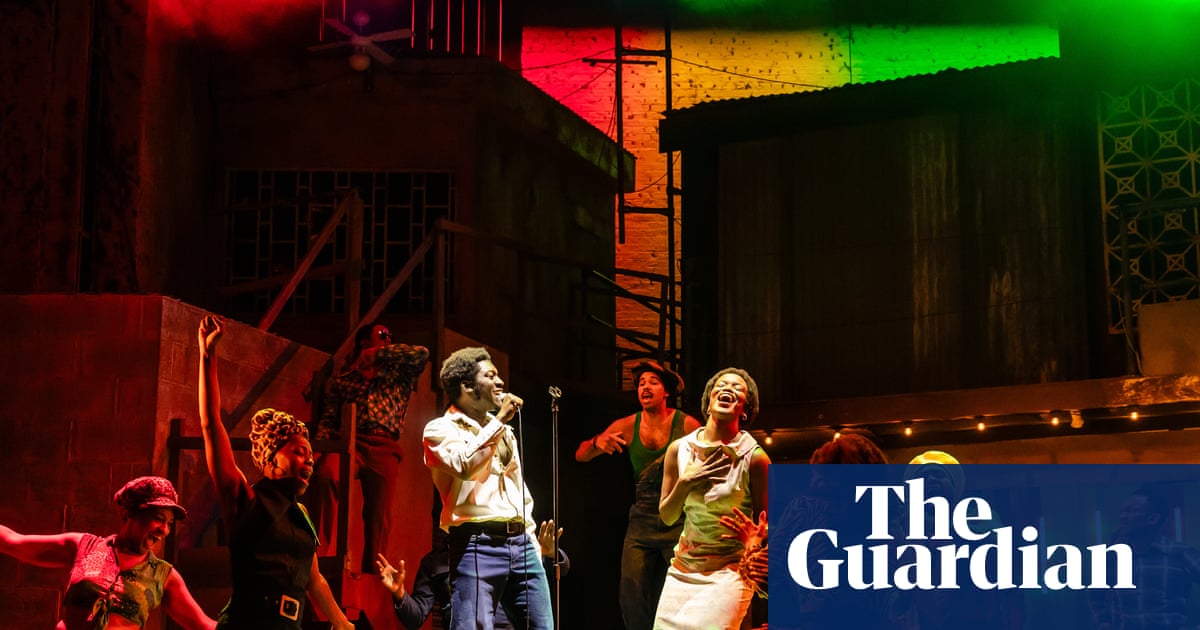
‘What’s this groove becoming?!’ How The Harder They Come captured 70s Jamaica and blazed on to stage
The Guardian (Jamaica)
Chris Brown Shows Off His Jamaican Connections Once Again On ‘Brown’
Dancehall.com