
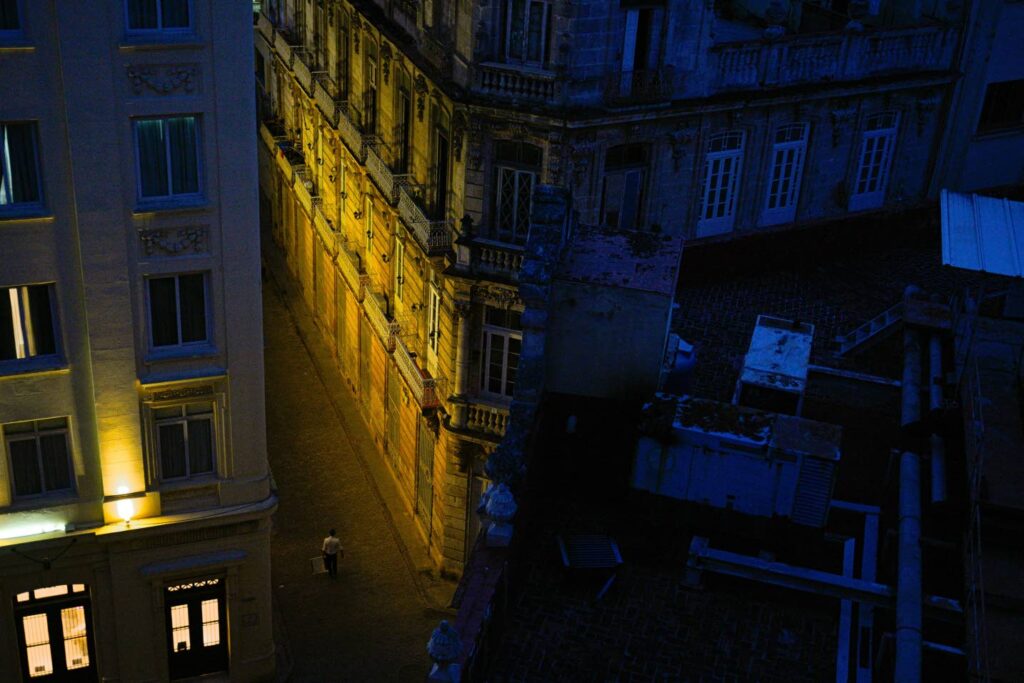
Cuba faces third island-wide blackout as US fuel sanctions deepen energy crisis
HAVANA, Cuba (AFP) — The island recorded its third countrywide electricity failure since January on Monday, adding fresh strain to an energy breakdown linked to a United States fuel blockade. Even before US President Donald Trump halted oil shipments in January, Cuba had been battling to maintain steady power as fuel stocks for its generating plants ran low.
The national utility UNE said on X that the grid had suffered a “total disconnection from the national electricity generation system” and that officials were “investigating the causes.” Monday’s outage marked the eighth island-wide blackout since late 2024 for a population of about 9.6 million people.
It landed as authorities roll out ever-tighter rationing of electricity — stretches exceeding 30 hours in sections of Havana and more than 70 hours in some rural districts — in a bid to stretch dwindling fuel supplies.
“Living like this is agony,” said Meyboll Font, a 51-year-old self-employed social media community manager. Font said her Havana community had been getting only “three or four hours of power a day,” but that Monday’s failure felt harder because “you never know when it [electricity] will return.”
A young software programmer employed by a tourism start-up in another part of the capital said, “We have no Wi-Fi, no electricity, we can’t work.”
Power failures have long been part of daily life in Cuba, where generation relies heavily on ageing Soviet-built plants in poor condition. Outages and scheduled cuts have worsened since the fuel blockade began, with officials blaming insufficient fuel to run generators that support the national grid.
Since January, Washington has permitted only one oil tanker — from Russia — to reach Cuban ports, part of a pressure strategy aimed at ending more than six decades of communist governance in Havana. Trump has cited the US removal of Venezuela’s socialist president Nicolas Maduro and the installation of a Washington-aligned successor as a possible model for Cuba.
Cuban leaders have insisted their political system is not negotiable and have pledged to repel any invasion by force.
The blockade, together with a wave of sanctions on the Cuban state and foreign firms trading with it, has pushed a country already deep in crisis closer to breaking point. Food, potable water and medicines are growing scarcer, some surgical procedures have been delayed, and the United Nations has cautioned about a humanitarian emergency. Movement across the island has slowed to a crawl.
Last month, the Cuban Government announced a broad package of market-oriented reforms that, if carried out, would sharply scale back state dominance of the economy. The US State Department rejected the proposals as “superficial smoke signals” and said Trump was waiting for “much more substantial economic and political reforms that would make Cuba investable” and give Cubans political freedom.
The two governments have met for several rounds of discussions, but Cuban Foreign Minister Bruno Rodriguez said last week that there had been “no progress” in breaking the deadlock. On Monday, Havana charged that Washington had blocked a United Nations debate on the oil blockade and related sanctions.
Syndicated from Jamaica Observer · originally published .
Legal context · powered by Jurifi
Get the legal angle on this story. Pick a prompt and Jurifi's AI will explain it using Jamaican law.
AI replies are based on Jamaican law via Jurifi. Not legal advice.
Other coverage
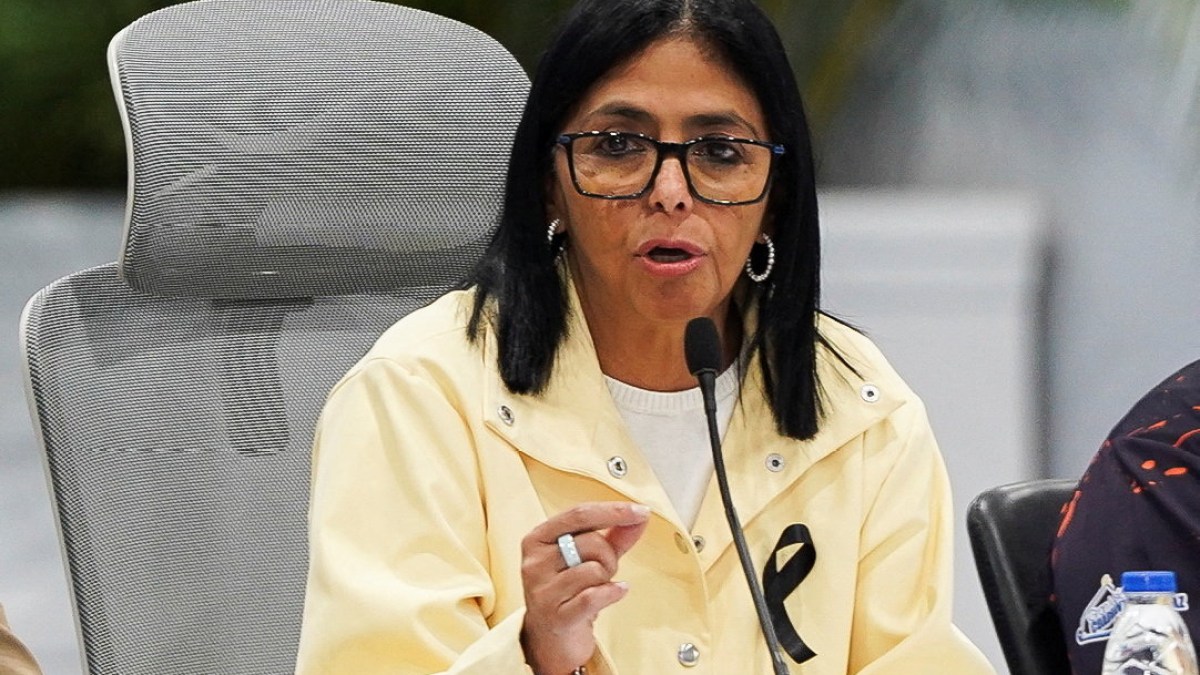
Venezuelan leader marks Independence Day with message of ‘no social unrest’
Jamaica Inquirer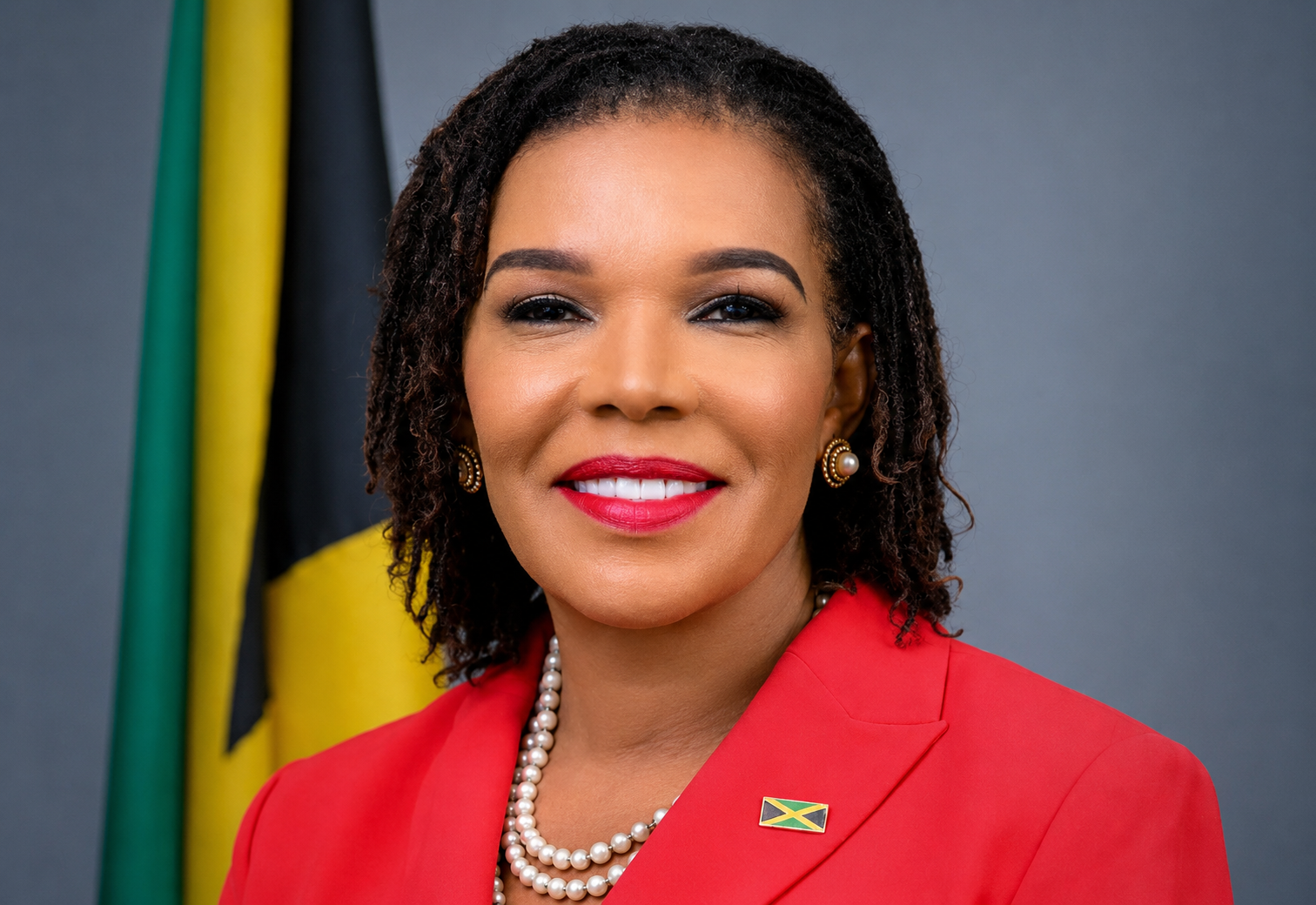
Why isn’t the Prime Minister and Minister of Foreign Affairs backing up Audrey Marks?
Our Today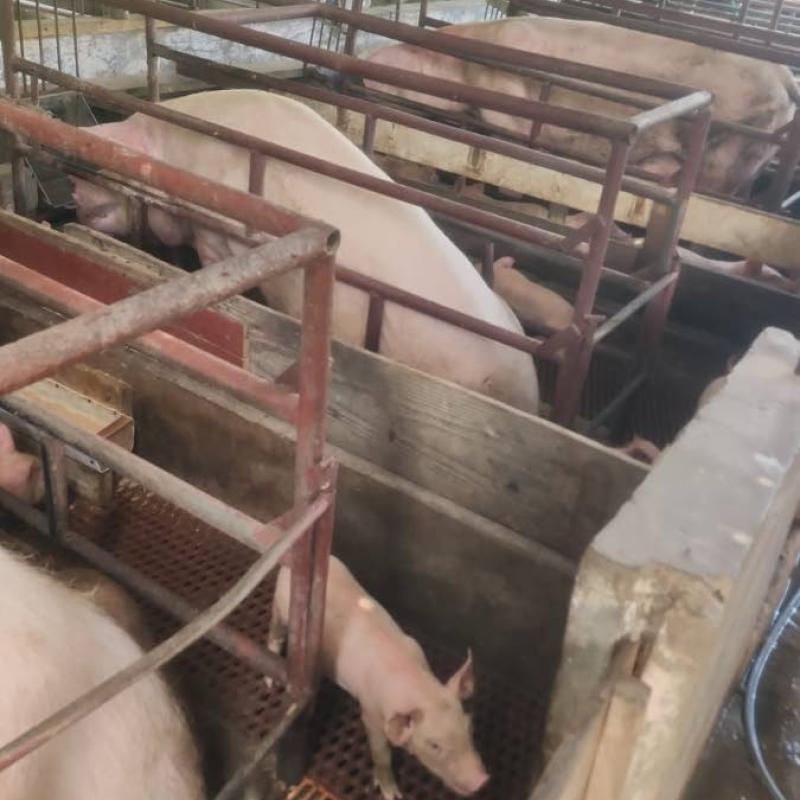
PIG FARMERS SQUEAL - Hurricane fallout leaves market-ready animals stuck on farms
Jamaica Gleaner
Jamaicans Should See Cuba Opening as an Opportunity, Not Just a Threat
Jamaicans.com
A politically charged holiday: The US celebrates its 250th anniversary
Jamaica Inquirer