
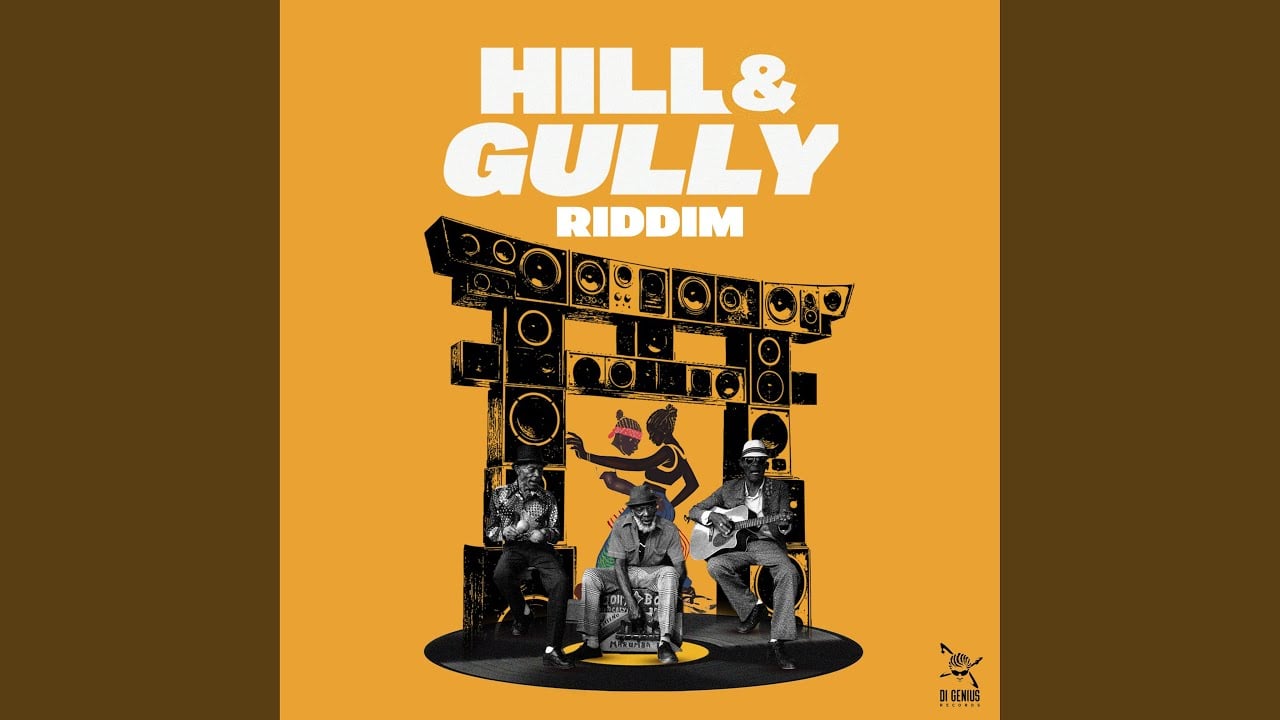
Hill-and-Gully-Riddim entfacht jamaikanische Slackness-Debatte – von Mento bis Dancehall
Prince Busters „Wreck A Pum Pum“ erschien 1969. Im selben Jahr erschien auch „Wreck a Buddy“ der Soul Sisters. Fast sechzig Jahre später liegen diese Titel noch immer auf YouTube – für jeden, der hören möchte, wie jamaikanischer Pop einst auf Schallplatte klang.
Diese zeitliche Einordnung ist heute von Bedeutung. In ganz Jamaica und in Gemeinden im Ausland hat sich die Debatte um eine Reihe jüngerer Tracks verschärft, die auf dem wiederbelebten Hill-and-Gully-Riddim aufbauen. Masickas „Slip and Slide“, Govanas „Itsy Bitsy“, Elephant Mans „Hold Him Gyal“, Valiants „Woii“ und Aidonias „Pit A Pat“ ernten Kritik wegen unverblümter sexueller Formulierungen. Nigy Boys „Wah Mi Money“, oft als dezenterer Höhepunkt gelobt, steht in derselben Diskussion. Vor diesem Hintergrund mahnt Donna Hope, die an The University of the West Indies, Mona, lehrt, die Zuhörer, den Aufruhr als Frage des kulturellen Gedächtnisses zu betrachten – nicht als einfache Moralfrage.
Die Medienveteranin Fae Ellington hat in veröffentlichten Äußerungen eine härtere Linie bezogen. Sie kritisierte scharf, was sie als lyrische Ausrichtung vieler Produktionen von Stephen McGregor bezeichnete, und warnte, dass der jamaikanische Musik-Mainstream heute explizite Sexualsprache zur Norm mache – auf Kosten des handwerklichen Könnens. Hope räumt ein, die Sorge sei menschlich, warnt aber, sie könne eine unordentlichere Vergangenheit auslöschen.
In einem weit verbreiteten Facebook-Beitrag erinnerte Hope an eine Prüfungsaufgabe, die sie Studierenden stellt: „Unter Verwendung von Beispielen aus mindestens zwei Musikgenres analysieren Sie kritisch, wie ‚Slackness‘ als Form kulturellen Ausdrucks und gesellschaftlichen Kommentars in der jamaikanischen Populärmusik wirkt.“ Für sie ist die Aufgabe kein Klassenzimmer-Trivia. Sie zeigt, wie Slackness im Klang der Insel wuchs.
„Vorbehaltlich selektiver Amnesie und subjektiv gesetzter moralischer Empörung“, schrieb Hope, „haben unsere Populärmusik – insbesondere Mento, Ska, Rocksteady, Reggae und Dancehall – alle dieses explizite und sehr lautstark geführte Gespräch mit dem weiblichen Geschlechtsorgan, weiblicher Unterwäsche, Sex, Dingen im Schlafzimmer usw. geführt – alles unter dem Etikett ‚Slackness‘.“ Sie argumentiert, was Kritiker als Niedergang bezeichnen, könne Kontinuität mit älteren Genres sein.
Hope erinnerte die Leser daran, dass Mento, oft als frühe authentische jamaikanische Form gepriesen, vor Jahrzehnten offizieller Missachtung begegnete. „Mento war insbesondere das erste Genre der jamaikanischen Musik, aus dem Lieder ins House of Representatives gebracht wurden, um in den 1950er Jahren wegen seiner leichtsinnigen und slack Texte verboten und gebrandmarkt zu werden“, schrieb sie. Jedes Jahr, sagte sie, reagierten Studierende überrascht, wenn sie Hits früherer Epochen abspiele. Sie schloss mit trockenem Ironie: „Die ‚Kreativität‘ einer Ära überwiegt offenbar die einer anderen. CarryOn.“
Die ehemalige Kabinettsministerin Aloun Ndombet Assamba schaltete sich nach Hopes Beitrag in den Thread ein. Sie sagte, sie habe einen Abend lang Hill-and-Gully-Versionen angehört. „Ich habe gestern Abend etwas Zeit damit verbracht, mir einige der verschiedenen Versionen der Texte auf dem Hill-and-Gully-Rhythm anzuhören. Es gibt alle möglichen Wörter, die auf den Rhythmus gelegt wurden. Manche anzüglich, manche positiv, manche urkomisch, manche christlich.“ Sie verwies auf einen Track, der Väter auffordert, ihre Kinder zu unterstützen. Für Assamba zeigt der Riddim Jamaicas Bandbreite: „Ich denke, das ist es, was uns zu so einem Schmelztiegel der Kreativität macht. Eines ist sicher: Es bringt uns zum Reden!“
Der Musikforscher James Danino stimmte dieser Sicht aus dem Ausland zu. Er erinnerte sich daran, in Frankreich auf einem Reggae- und Dub-Festival über Frauen in der jamaikanischen Musik zu referieren. „Entgegen der landläufigen Meinung waren ‚slack‘ Texte nichts, was mit dem Aufkommen dessen geschah, was heute ‚Dancehall-Musik‘ genannt wird“, schrieb Danino. Er nannte erneut Prince Busters „Wreck A Pum Pum“ und die Soul Sisters’ „Wreck a Buddy“ als Beleg dafür, dass derbe Zeilen den heutigen Dancehall-Tag vorausgingen. „Frauen singen diese Lieder seit Beginn ebenfalls“, merkte er an.
Chris Dub Master, Moderator bei Irie Jam Radio, versuchte beide Stränge zu halten. „Dass Menschen einer älteren Generation, wie Fae Ellington, sich gegen die anzüglichen Texte aussprechen, die über einen Rhythmus wie Hill and Gully gesungen werden, ist eine Gelegenheit, ein Gespräch darüber zu führen, wohin die Kultur geht, und dass es eine gewisse Kluft zwischen den Generationen gibt“, sagte er. Er würdigte Hopes Geschichtsunterricht, betonte aber zugleich, wie Lieder heute genutzt werden. „Ich glaube nicht, dass irgendjemand bestreitet, dass es in der Kultur viel sexuell explizite Musik gibt“, sagte er gegenüber Caribbean National Weekly. „Ich denke, was einigen der älteren jamaikanischen Bürger Sorge bereitet, ist, dass etwas, das ein verwurzeltes, in der Tradition stehendes jamaikanisches Volkslied ist, und dass man diese Musik dann völlig in eine andere Richtung dreht.“
Für Dub Master geht es weniger um Plattenverbote als um den Schutz der Tradition. „Das hat ein neues Gespräch eröffnet“, sagte er. „Ich glaube nicht, dass wir darüber so sehr streiten sollten, sondern es als Gelegenheit – als Lehrmoment – nutzen sollten.“ Er verband die Musikauseinandersetzung mit breiterem kulturellem Drift. „Ich habe in den letzten Jahren gesehen, dass … schulpflichtige Kinder Probleme haben, Bob Marley zu erkennen“, sagte er. „Wir verlieren also irgendwo auf dem Weg den Bezug.“
Diese Haltung steht zwischen Hopes archivarischer Deutung und Ellingtons Klage über Standards. Der Hill-and-Gully-Eklat stellt daher die Frage, ob Jamaica einer neuen moralischen Verfallserscheinung in der Musik gegenübersteht oder einem alten Muster in frischem Empörungsgewand – und wer entscheidet, welche Äras Kreativität als akzeptabel gilt.
Übernommen von Cnweekly · ursprünglich veröffentlicht am .
Weitere Berichte

Hill & Gully Ride – Why This Riddim’s Revival Is Actually A Win For Jamaican Culture
Jamaicans.com
Music Producer Stephen McGregor On A Roll With Hill & Gully Riddim | Entertainment Report
Television Jamaica (Video)Schauen
Fae Ellington Blasts Explicit Songs on Hill and Gully Riddim | @CVMTVNews
CVM TV News (Video)Schauen
Good look for the culture - ‘Hill and Gully’ rhythm puts spotlight on traditional dances
Jamaica Star
Hill and Gully Going Hill and Gully or Are We In For The Ride?
ZIP FM