
La supervivencia de la prensa libre es crítica para la estabilidad democrática del Caribe
SEÑORA DIRECTORA:
El reciente editorial de The Gleaner sobre democracia y libertad de prensa pone de relieve un asunto que exige atención regional inmediata. En todo el Caribe, el debilitamiento de los medios tradicionales no es un problema sectorial menor; es un peligro democrático que se desarrolla a plena luz.
Cuando las redacciones independientes pierden fuerza, los países quedan más expuestos a la desinformación, la manipulación pública y la menor rendición de cuentas en la vida pública. Durante muchos años, los medios establecidos han servido como pilar protector del gobierno democrático.
Hoy, no obstante, esas organizaciones tradicionales soportan una fuerte presión financiera por parte de grandes empresas digitales globales. Esas firmas obtienen ingresos considerables de las audiencias caribeñas, pero aportan poco a la economía de la región ni a su infraestructura democrática.
Difunden material informativo, absorben ingresos publicitarios y controlan gran parte de la atención de la audiencia en línea, mientras eluden el costo y la responsabilidad de producir periodismo fiable. Como señaló el editorial de The Gleaner, este asunto va mucho más allá de simplemente «adaptarse a la tecnología».
La mayoría de los medios establecidos ya se han incorporado a la edición digital, el streaming, los pódcasts y la distribución en redes sociales. La pregunta central es si las sociedades democráticas deben aceptar el debilitamiento continuo de instituciones que ofrecen información verificada y con responsabilidad ante el público.
El crecimiento de comentarios en línea en gran medida no regulados ya ha producido consecuencias graves. Afirmaciones falsas, contenido sensacionalista, narrativas conspirativas e informes engañosos se propagan con rapidez, a menudo sin rectificación ni sanción.
En cuestión de horas, publicaciones inexactas compartidas para generar clics pueden dañar a funcionarios públicos, particulares e instituciones clave. En demasiados casos, la evidencia cede ante contenido impulsado por la indignación y el valor de entretenimiento.
El periodismo profesional no es infalible, pero opera dentro de un sistema de rendición de cuentas. Los grandes medios establecidos publican rectificaciones, respetan normas editoriales y permanecen sujetos al escrutinio legal y profesional. Ese marco respalda la confianza pública y el orden social.
Sin esas salvaguardias, el entorno informativo puede deslizarse hacia mayor desorden y división social. Por esa razón, los gobiernos de CARICOM deben pasar ya de las palabras a la acción política coordinada.
Las administraciones regionales deberían considerar una tributación equitativa para las corporaciones digitales multinacionales, una supervisión más estricta de los mercados publicitarios digitales y apoyo práctico al periodismo independiente. Los pequeños Estados del Caribe que actúan por separado pueden tener poca influencia frente a los gigantes tecnológicos globales, pero una posición unificada de CARICOM tendría mayor peso.
Proteger una prensa libre y financieramente sostenible debe tratarse como inversión directa en la democracia. Si el periodismo creíble se desvanece, los ciudadanos pierden fuentes fiables de verdad, los gobiernos enfrentan un escrutinio más débil y el debate público queda cada vez más contaminado por la desinformación.
Jamaica y el Caribe en su conjunto no deben demorar en afrontar este riesgo.
ROBERT DALLEY
[email protected]
Sindicado desde Jamaica Gleaner · publicado originalmente el .
Contexto legal · con tecnología de Jurifi
Obtén el ángulo legal de esta noticia. Elige una pregunta y la IA de Jurifi la explicará usando la ley jamaiquina.
Las respuestas de IA se basan en la ley jamaiquina a través de Jurifi. No es asesoramiento legal.
Otra cobertura

Flow urges Caribbean focus on fair digital contribution from global tech giants
Jamaica Observer
Digital Content and Social Media Officer
Court Administration Division
“Ministers change. Governments change. But public institutions remain.”| Nekeisha Burchell
Jamaica PNP (Video)Mira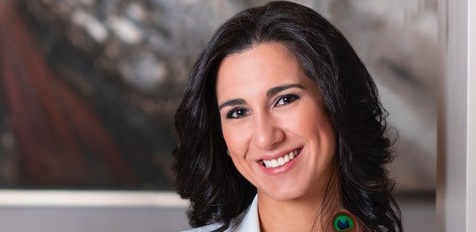
New report explores how Latin America and the Caribbean can turn democratic discontent into development progress
Our Today
Niger suspends nine French media bodies: Watchdog slams ‘abusive’ decision
Jamaica Inquirer