

OT Equity Analysis | Apple faces a new test as component costs move from supply chain to shelf price
The iPhone maker remains one of the world’s strongest consumer franchises, but recent price increases on selected devices have brought margin pressure and demand elasticity back into focus.
Apple is today’s Stock of the Day because the market is being forced to reassess one of the central assumptions behind the company’s strength: that its brand, customer loyalty and supply-chain scale allow it to absorb cost pressure better than almost any consumer electronics company in the world. That assumption is now being tested after Apple raised prices on selected iPads, MacBooks and home devices, citing a sharp increase in memory and storage component costs. The move sent the stock lower and placed Apple at the centre of a wider debate about whether the current technology spending cycle is beginning to create inflationary pressure for ordinary consumers.
Apple’s business is familiar but often underestimated in its depth. The company makes money from hardware, including iPhones, Macs, iPads, wearables and home devices, and from services such as the App Store, subscriptions, cloud storage, payments, advertising and warranties. The iPhone remains the centre of the ecosystem, but the services business has become increasingly important because it carries attractive margins, provides recurring revenue and deepens customer attachment to Apple’s platform. This blend of hardware scale and services income is why Apple has historically commanded a premium valuation relative to most consumer hardware companies.

The current catalyst is not a new product launch or a major earnings surprise. It is the decision to pass higher input costs to customers. That matters because Apple rarely makes broad pricing decisions without considering the effect on demand, brand perception and competitor positioning. The company has spent years using supply-chain efficiency and premium pricing to protect margins. If component costs are rising quickly enough to force price increases, investors must consider whether the pressure is temporary or the start of a more persistent margin issue.
The market’s reaction shows why the development matters. A share-price decline following the pricing news suggests investors are worried about two things at the same time: margin compression if Apple absorbs more cost, and demand weakness if consumers push back against higher device prices. That is a difficult balance. Raising prices may protect gross margin in the short term, but it can slow replacement cycles, especially for tablets and laptops, where consumers often delay upgrades when household budgets tighten. Holding prices steady may support volumes, but it risks sacrificing profitability.
The financial picture remains strong, which is why the sell-off should be viewed as a reassessment rather than a loss of confidence in the franchise. Apple still has one of the largest installed customer bases in the world, substantial cash generation, a broad services ecosystem and deep supplier relationships. Its balance sheet gives it flexibility to repurchase shares, invest in product development and manage short-term shocks. However, the market is no longer looking only at scale. It is asking whether Apple can continue to expand margins while hardware costs rise and consumers become more price-sensitive.

Valuation is central to the debate. Apple’s stock has historically benefited from the belief that its earnings are more durable than those of other consumer electronics businesses. That belief rests on premium pricing, customer loyalty, services growth and disciplined capital allocation. But a premium valuation requires evidence that earnings can withstand pressure. If investors begin to see Apple as more exposed to hardware cost cycles than previously believed, the multiple could come under pressure even if the company remains highly profitable.
The strategic issue is broader than one quarter. Global demand for high-end computing components has tightened supply and raised costs for device makers. Apple may have more negotiating power than most of its rivals, but it is not immune. The company must decide how much of the cost to pass through to customers, how much to absorb, and how quickly it can redesign products or sourcing strategies to limit the impact. Those choices will influence margins, volumes and brand perception over several quarters.
For readers outside the United States, Apple’s situation is also relevant because it shows how global supply-chain pressure can reach consumers through everyday technology products. A component shortage or pricing spike does not stay inside factory contracts. It eventually affects laptop prices, tablet prices, household electronics, school devices and business equipment. In markets such as the Caribbean, where imported technology already carries freight, duty and currency costs, global price increases can be amplified before reaching the final buyer.
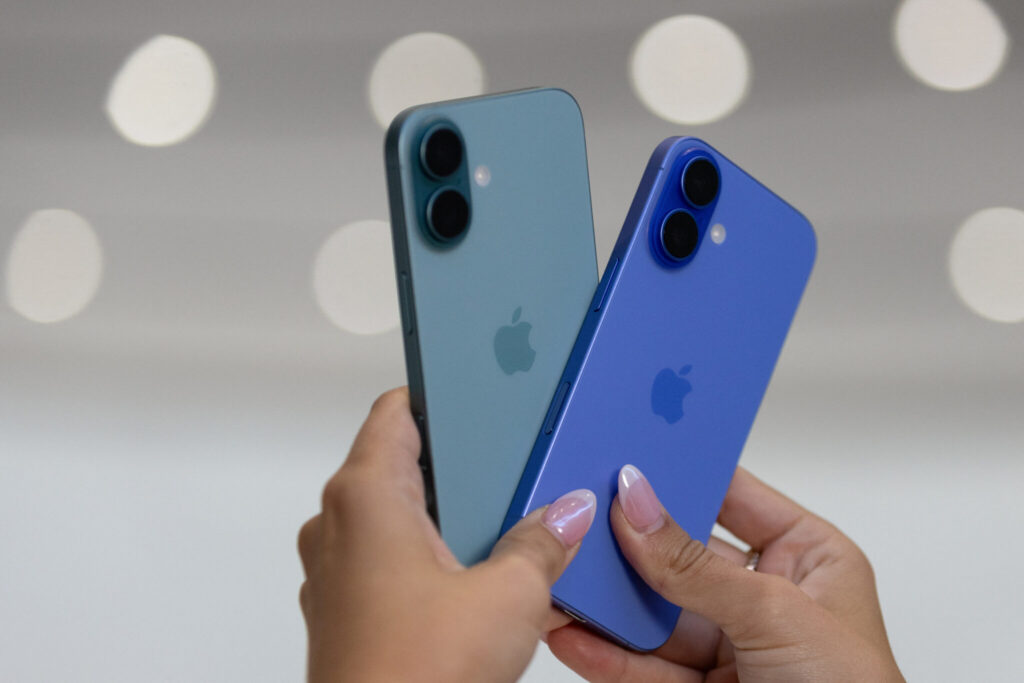
There are several risks. First, higher device prices may stretch replacement cycles, particularly for products outside the iPhone. Second, component-cost inflation may pressure margins if Apple cannot fully pass costs through. Third, the company remains dependent on continued services growth to offset slower hardware cycles. Fourth, regulatory scrutiny around app-store fees, payments and platform control remains a long-term overhang. Fifth, any disruption in China-linked manufacturing or demand could create additional volatility.
Apple deserves attention today because the company is facing a rare test of pricing power. Its brand is still powerful, its ecosystem remains deeply embedded and its financial position is enviable. But the stock is being judged on whether that strength can absorb a new cost environment without weakening demand. The answer will matter not only for Apple shareholders, but also for the wider consumer technology market.
Disclaimer: This article is for informational purposes only and does not constitute investment advice.
Syndicated from Our Today · originally published .
Legal context · powered by Jurifi
Get the legal angle on this story. Pick a prompt and Jurifi's AI will explain it using Jamaican law.
AI replies are based on Jamaican law via Jurifi. Not legal advice.
Other coverage

Funded and Focused Episode 81
PBC Jamaica (Video)Watch
Funded and Focused Episode 84
PBC Jamaica (Video)Watch
Funded and Focused Episode 85
PBC Jamaica (Video)Watch
Funded and Focused Episode 83
PBC Jamaica (Video)Watch
Balancing the Demand and Supply of Cement | News at 7 PM | @cvmtvnews
CVM TV News (Video)Watch