

U.S. agency set to expand investments in Jamaica and wider Caribbean

Top DFC official to visit Jamaica next week for meeting with PAJ, NaRRA and business leaders
Durrant Pate/Contributor
The United States, through its International Development Finance Corporation (DFC) is set to expand investments throughout the Caribbean, including Jamaica, particularly in the area of energy and infrastructure.
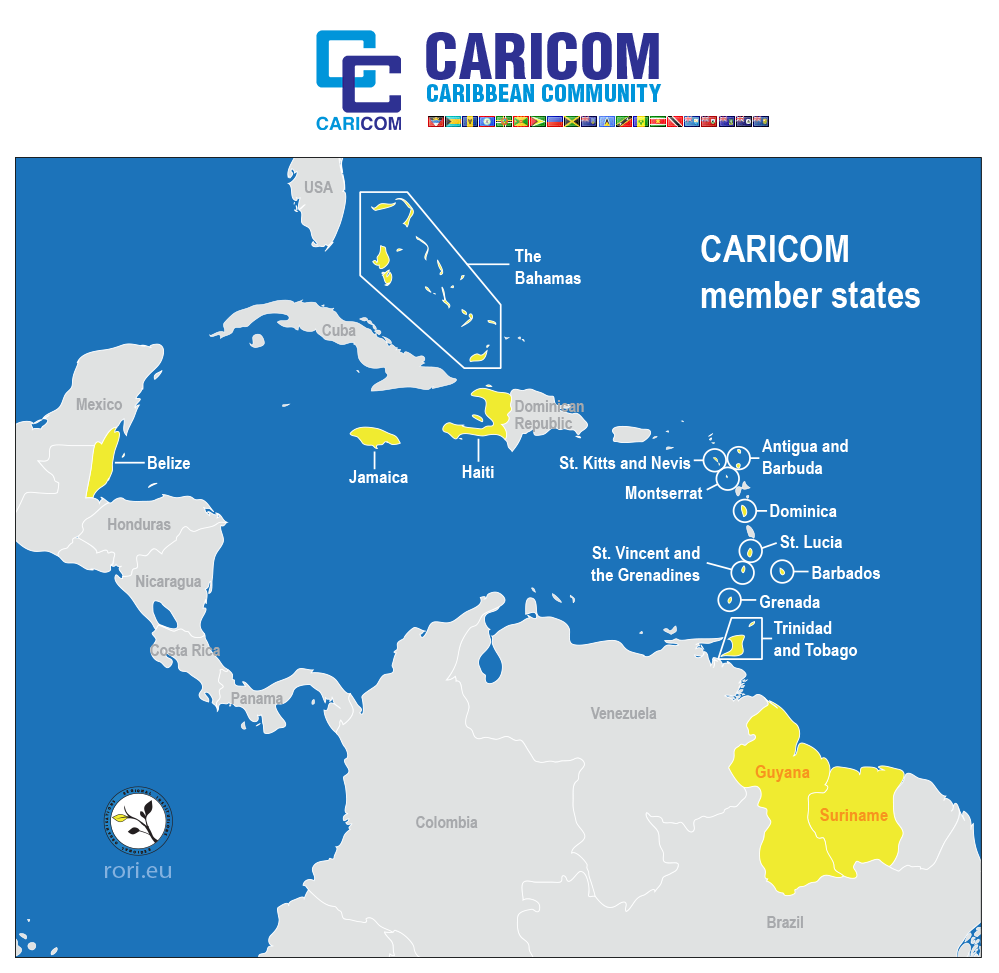
In fact, news out of Washington suggests that the DFC is hoping to soon begin reviewing proposals to boost energy and improve infrastructure such as seaports and airports in these CARICOM states, namely Jamaica, Trinidad and Antigua and Barbuda, where a top official is planning a visit starting next Monday.
Created under a 2018 law that combined the operations of the Overseas Private Investment Corp. and part of the U.S. Agency for International Development, the DFC launched in 2019. While its investments have become a vehicle for Washington to advance foreign policy and national security concerns such as giving nations an alternative to China’s controversial Belt and Road Initiative, the Caribbean has until now remained mostly outside its focus.
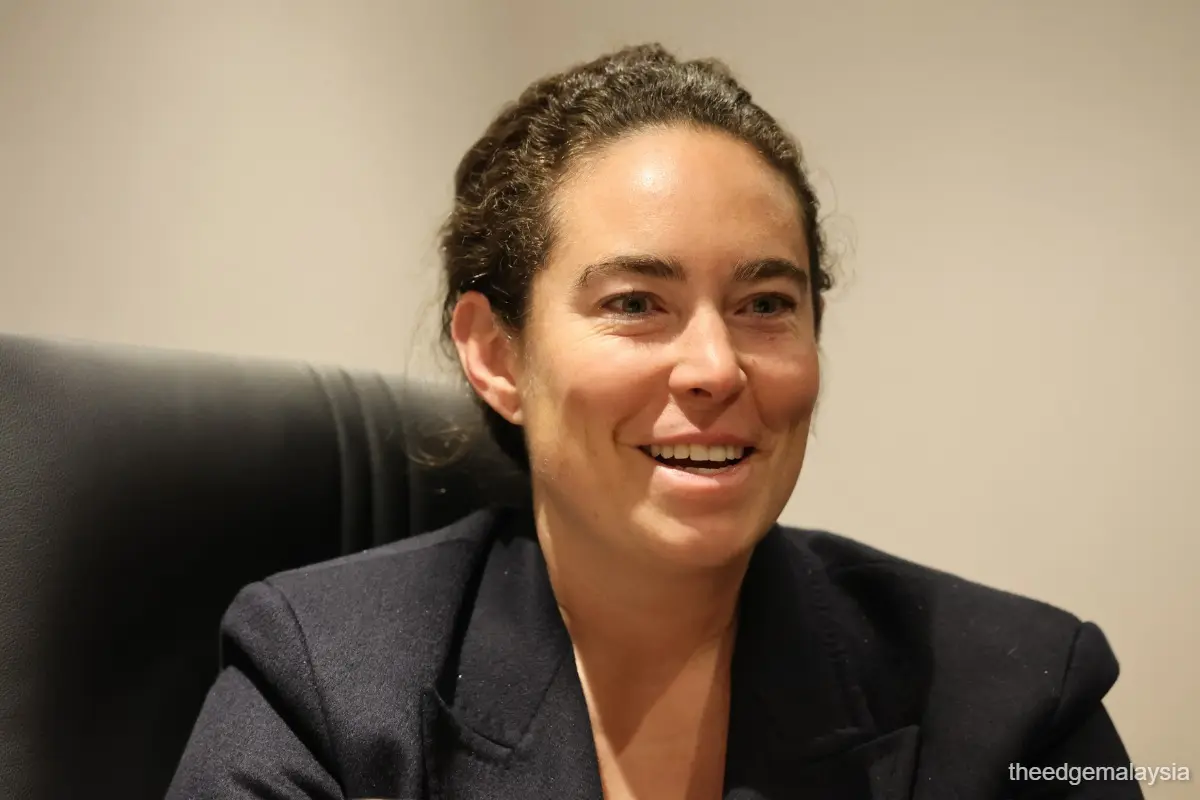
DFC top official visiting Caribbean starting this Monday
A top official of the federal agency, which helps finance projects in developing nations, is scheduled to visit Jamaica, Trinidad and Tobago, and Antigua and Barbuda, starting this Monday, to meet with government officials and private sector leaders to better understand countries’ investment priorities. The intent is to broaden the agency’s pipeline of projects while also giving Caribbean governments an alternative financing option that until now hasn’t been available.
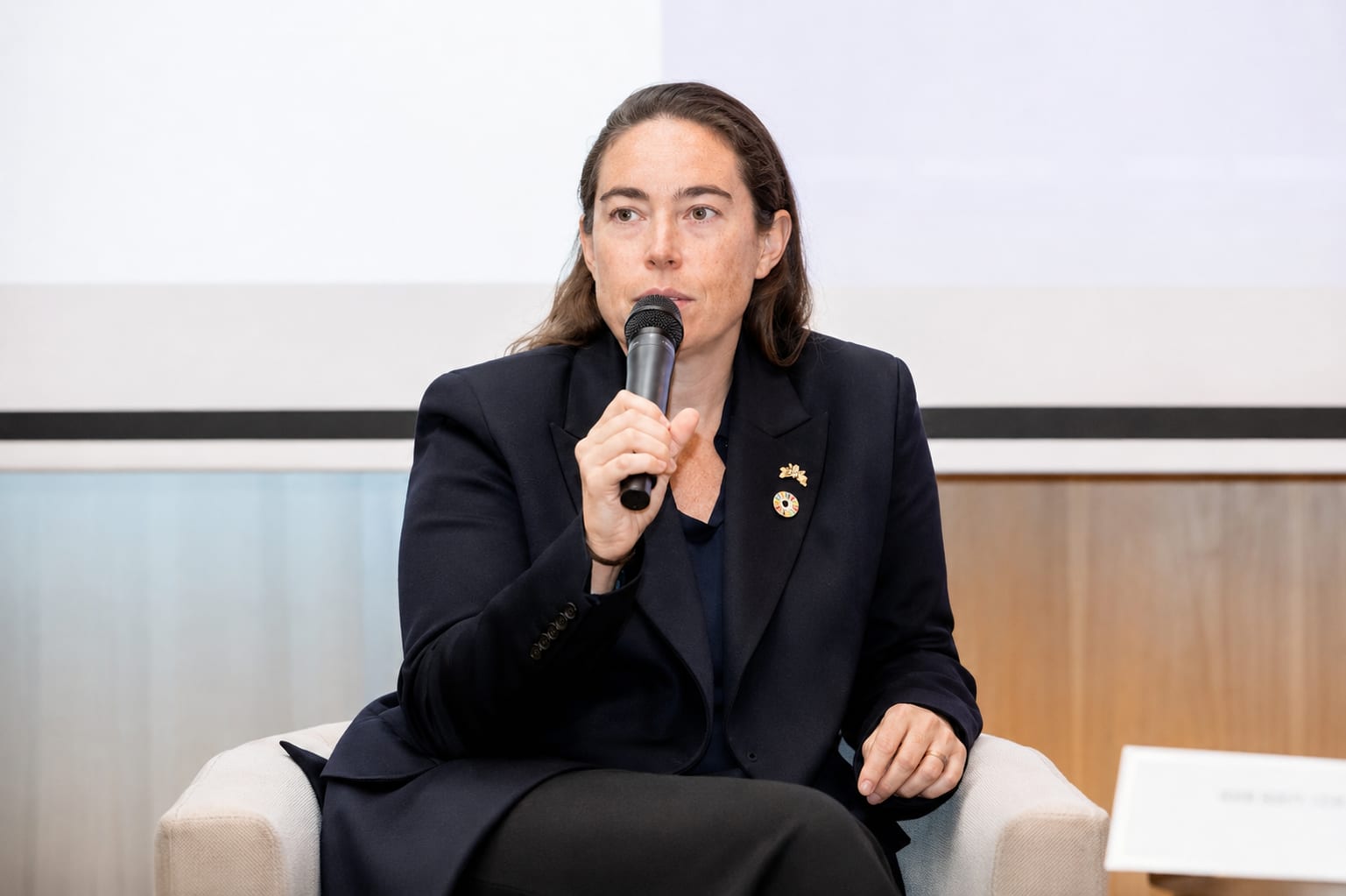
Chief policy officer for the U.S. DFC, Caroline Vik, commented, “We’re very excited to be able to expand our investments in the Caribbean following our reauthorization and are actively building our pipeline.” Ahead of the visit, agency officials have met with ambassadors and ministers from the region.
This trip is expected to be the first of several for the DFC, which has previously worked a deal in Jamaica but not in Antigua or Trinidad. “We’ll be doing a series of government meetings as well as private sector meetings to find the companies and partners that can help us execute on the government’s investment priorities,” Vik said.

Meetings in Jamaica, Trinidad and Antigua
In Jamaica, Vik plans to meet with the Port Authority of Jamaica, the National Reconstruction and Resilience Authority, Cabinet Minister and business leaders, while in Trinidad, meetings have been scheduled with telecommunication regulators, Government Ministers to talk about upcoming public tenders and the officials in charge of cybersecurity and artificial intelligence. In Antigua, she will meet with Prime Minister Gaston Browne, the Port Authority, energy companies and investment groups in the energy sector.
According to Vic, “the DFC is extremely excited to be there to dig in on a lot of these opportunities and to hopefully find a series of projects that we can execute on in the next couple of years.” Agency officials say conversations with leaders across the region have also highlighted another need: replacing Chinese-made equipment that is falling apart.
They note that many of the countries being targeted have not had a lot of viable alternatives for investment, and the DFC is now trying to fill that gap.
Tame response from Caribbean leaders
When asked about this new American initiative, Caribbean leaders, who ended a four-day summit in Saint Lucia last week Wednesday, were tame in their response, saying it is too early to comment on the initiative. Others, who are familiar with the agency, cautioned that one of the long-standing issues is that it takes too long to get deals financed.
Still, momentum is growing to expand American investment in the region, which has long struggled to attract large institutional investors and is often limited when it comes to bankable projects. During the CARICOM meeting, heads of government met with private-sector leaders over breakfast to discuss both investment challenges and opportunities.
The meeting was sponsored by the Organisation of Eastern Caribbean States Business Council and the CARICOM Private Sector Organisation and brought together more than 120 senior representatives of various institutions, including development finance partners, including the Inter-American Development Bank, Caribbean Development Bank and the CARICOM Development Fund
Among the discussion items were removing barriers to intra-regional trade, reducing transportation and logistics costs, diversifying imports, mobilising regional investment capital and strengthening tourism linkages. A statement from the business groups said, “The discussions reflected a strong consensus that regional governments, the private sector and organised labour must move beyond policy dialogue to coordinated implementation, supported by clearly defined mandates, timelines and measurable outcomes.”
DFC priorities
Among DFC’s global priorities are strengthening supply chains for critical minerals, pharmaceuticals, and agricultural inputs such as fertiliser and crop protection. Energy is also a major focus, and the agency is already financing a lot of natural gas projects while also exploring investments in geothermal energy.
It is also seeking opportunities to help build critical infrastructure, such as ports and airports, and strategic transportation corridors and digital infrastructure such as telecommunications and data centres.
“In the Caribbean, we’re really looking to understand in as much depth as possible, country by country, what the leadership’s priorities are, what are the key limiters for economic development, and where they intersect with our priorities is where we’ll focus our efforts,” Vik remarked.
So far, countries in the Caribbean have conveyed that they are prioritising seaports, airports, energy, and information and communications technology, all of which require significant investment. The DFC provides a range of financing tools, including loans, equity investment, political risk insurance, loan guarantees and project development funding.
Project development funds support early-stage work that’s needed to prepare large investments for markets, including feasibility studies. It’s proven to be a really useful product for big infrastructure projects for critical minerals, really across the board, officials say.
Syndicated from Our Today · originally published .
Legal context · powered by Jurifi
Get the legal angle on this story. Pick a prompt and Jurifi's AI will explain it using Jamaican law.
AI replies are based on Jamaican law via Jurifi. Not legal advice.
Other coverage

Caribbean governments focus on economic challenges
Caribbean Life
Elizabeth Morgan | CARICOM Reparation claims – a 10-point plan evoking sadness
Jamaica Gleaner
Kenneth Russell | Reparatory development and the renewal of rural Jamaica
Jamaica Gleaner
Prime Minister Holness Envisions New Era of Regional Energy Security Driven by Caribbean Resources
Office of the Prime Minister
Ronald Sanders | Vulgarity of asking enslaved to pay
Jamaica Gleaner