

Westmoreland Families Warned To Lock Away Chemicals As Child Poisoning Cases Mount
The Westmoreland Health Department is calling on parents and caregivers to be more vigilant about keeping children away from poisonous substances as the summer holidays approach.
The warning follows figures showing that poisoning remains a serious problem among children in western Jamaica. Gerald Miller, Health Promotion and Education Officer for Westmoreland, told JIS News that the matter continues to be a major public health issue.
According to Miller, information shared at a recent webinar on accidental poisoning showed that Westmoreland had the island’s second highest number of cases, behind St. James. Western Regional Health Authority data also show that children from one to four years old account for 67.1 per cent of accidental poisoning cases in western Jamaica.
Miller said the public education push is especially important with schools preparing to close and children expected to spend longer hours at home.
“We want parents and caregivers and our stakeholders in education, the church community and civil society in general, to help us to promote the prevention tips in helping to reduce the number of children or, in general, persons from accidentally ingesting chemicals,” he said.
He explained that accidental poisoning happens when someone, particularly a child, unintentionally swallows, breathes in or touches a dangerous substance. In Jamaica, he said, household chemicals and medicines are among the main items linked to such incidents.
“Some of the common poison risks in Jamaica are bleach and cleaning products. These things can cause serious poisoning or burns if swallowed or inhaled. Kerosene, turpentine, prescription medication, improperly stored chemicals, detergent pods and tablets are also things that we want to highlight,” he noted.
Miller said avoiding these emergencies starts with storing products properly and watching children closely. He noted that toddlers and other young children are naturally inquisitive and can be drawn to items that are bright or attractive.
“Remember the one to four years [age group]; that’s the period when they are very curious and very oral. So, whatever is within the space, if it’s colourful, attractive, that’s the magnet they are going to move towards,” he said.
He urged families to follow the “high up and lock it up” message by placing medicines and chemicals where children cannot reach them and keeping them inside locked cupboards.
“Use childproof caps on all medicines. Never store chemicals in food containers. Keep products in original packaging, always supervise children and instal childproof cabinet locks,” Miller advised.
He said possible signs of accidental poisoning include nausea, vomiting, diarrhoea, burns near the mouth or on the hands, breathing problems, sleepiness, seizures and confusion.
Miller also told parents and caregivers that if a poisoning emergency occurs, they should stay calm, not try to make the person vomit, and get medical help right away.
“Accidental poisoning is preventable. So, we want parents to lock it up, or the kids are going to drink it up. Lock it up, high up, and protect the children from accidental poisoning,” he emphasised.
Anyone needing advice or emergency guidance may call the Caribbean Poison Information Network, CARPIN, at 1-888-764-7667.
Syndicated from Jamaica Information Service · originally published .
Legal context · powered by Jurifi
Get the legal angle on this story. Pick a prompt and Jurifi's AI will explain it using Jamaican law.
AI replies are based on Jamaican law via Jurifi. Not legal advice.
Other coverage

Advocates, psychologist welcome potential social media ban for children
Jamaica Gleaner
Children’s advocacy group calls for online safety framework amid proposal to restrict social media
Jamaica Observer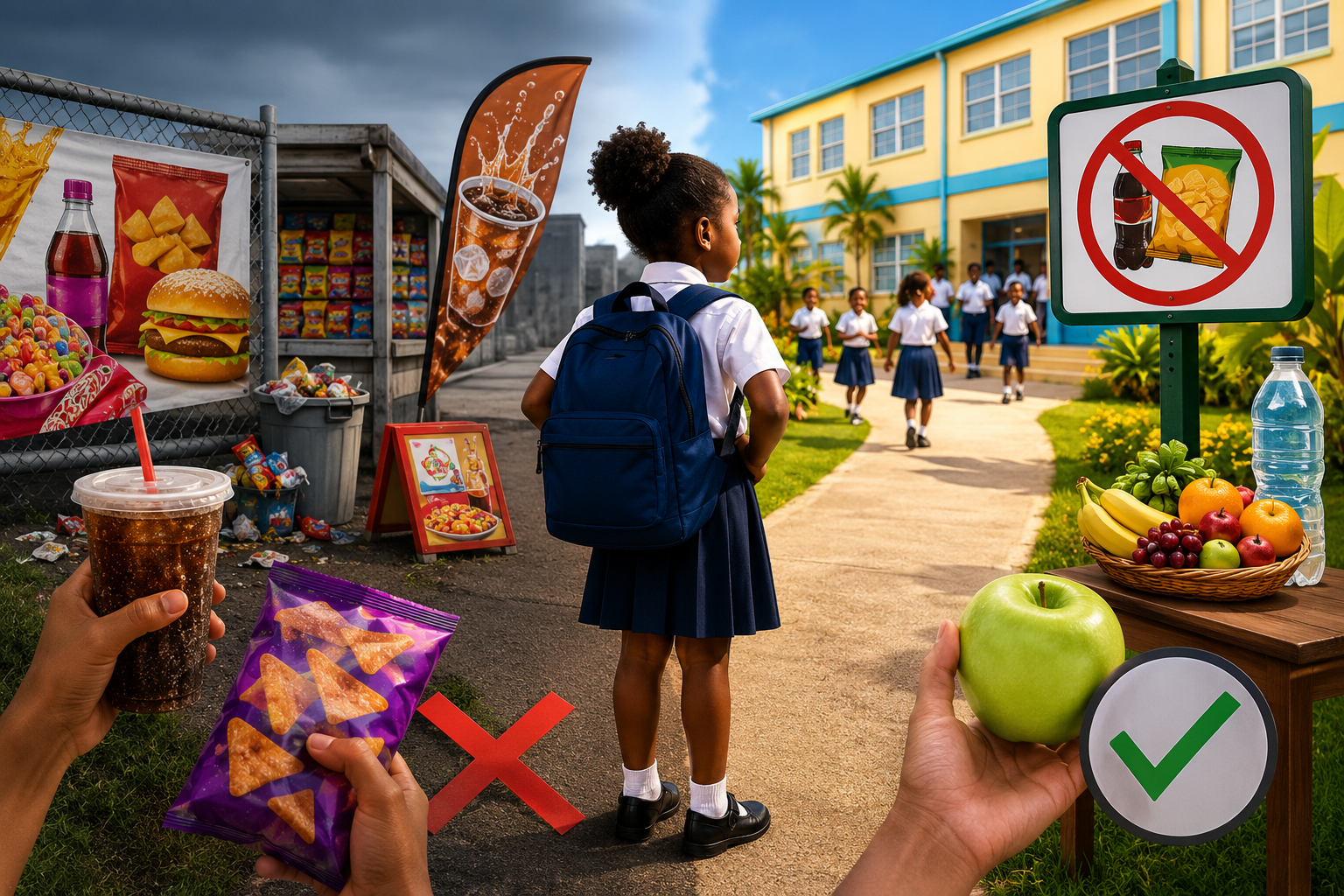
Caribbean Youth and Civil Society unite against harmful food marketing
Our Today
Substance Abuse in St. Ann a Growing Concern, Warns Health Minister Tufton
McKoy's News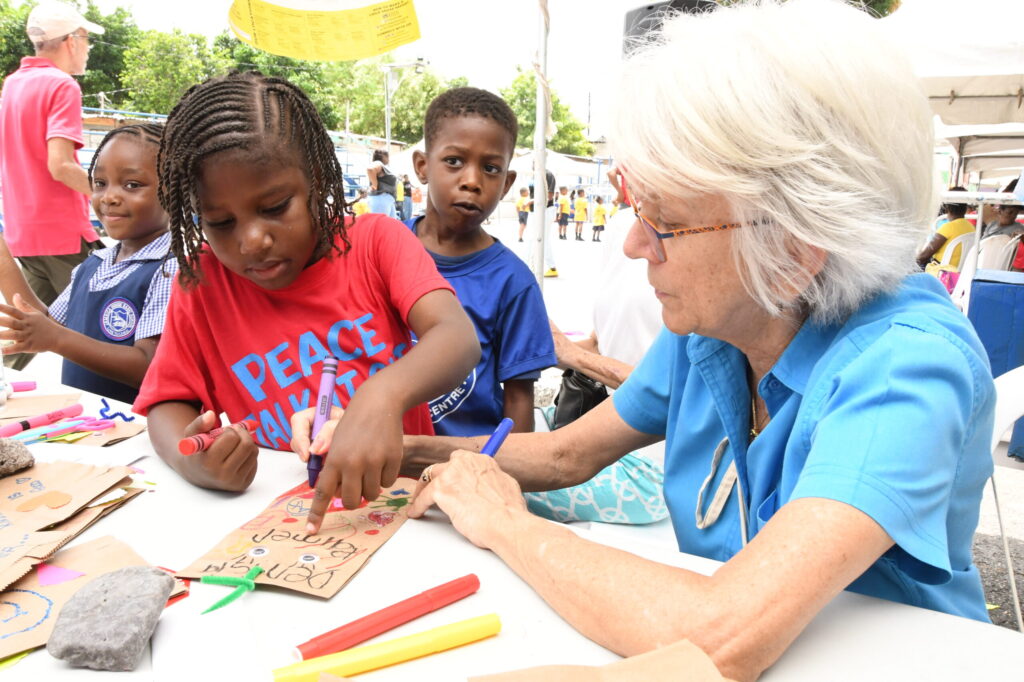
Grants Pen family fun day promotes peace, unity and healthy living
Jamaica Observer