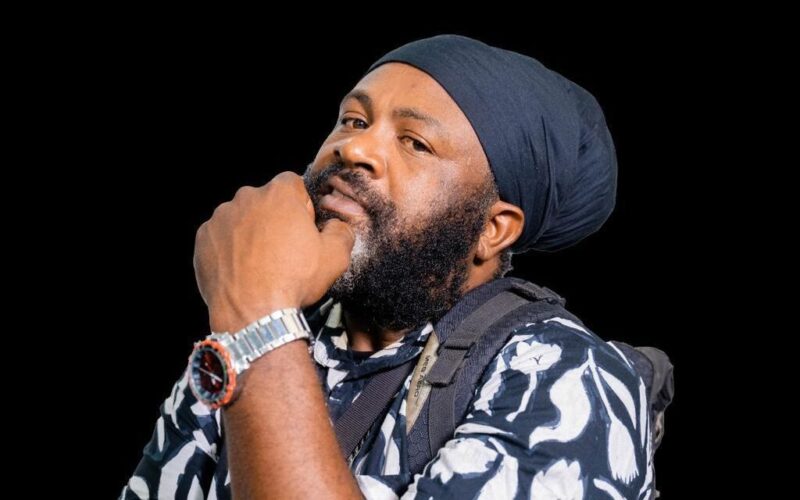
Jamaica’s music community was rocked last night by word that Rastafarian dancehall and roots reggae performer Fantan Mojah had died. Former manager Ray Stephen told THE STAR the singer passed away on Tuesday while receiving care at the University Hospital of the West Indies. He was 49; his 50th birthday would have fallen on August 5.
“He was in hospital for a little bit ... and he died earlier today,” Stephen said last night. “He had the heart condition, and he was really trying to tek better care of himself ... Fantan did stop smoke and dem tings.”
In July 2024, Mojah drew national attention after a medical emergency in Martinique, where he was due onstage at the Reggae Therapy Festival. He was admitted with what reports described as a severe heart and breathing complaint. He later recovered, completed a European tour, and delivered a strong Reggae Sumfest set last year.
Producer Patrick Roberts recalled Mojah as an artiste who regularly lent his voice and presence to the yearly Ghetto Splash concert without holding back. “It is sad, sad, sad. In addition to sending condolences to the family and the fraternity, I have a serious message to the industry ... mi a ask mi fellow industry people from yuh reach 40 do a full executive every year,” Roberts said. “Do a full check on your health. We as man love to be too macho ... we need to take the check and balances and our health. At the end of the day, when all the glory is over, we leave a family to mourn because of our negligence. Fantan has not reached his prime time in the industry ... and mi feel it seh him drop out just so.”
Born Owen Lennox Moncrieffe, Mojah once used the stage name ‘Mad Killer’ in honour of Bounty Killer. According to his Wikipedia biography, after he took up the Rastafarian faith he chose the name Fantan Mojah and turned toward conscious, uplifting songs about Jah, morality, and respect for women.
He started cutting tracks for DownSound Records in 2004. Their first single, Hungry, topped the local charts and held that spot for eight consecutive weeks. His debut album Hail the King followed in 2005, carrying well-known cuts including the title song, Nuh Build Great Man with Jah Cure, and Corruption. On November 19, 2008 he issued his second set, Stronger, led by the huge title hit that cemented him among rising conscious reggae stars.
Later he sparked sharp debate by leaning away from that roots-reggae Rastafarian lane toward harder dancehall. Tracks such as Fire King (2021) drew fierce pushback from clerics and peers. The suggestive video and explicit lyrics unsettled fans who knew him for a more devout, Rasta-aligned message.
Syndicated from Jamaica Star · originally published .