
Gallstones in Children: Risk Factors, Symptoms and Treatment Explained
Gallstones form less often in children than in adults, yet certain medical conditions can sharply increase a young patient's risk. The gallbladder is a small organ beneath the liver that stores bile, a fluid the body uses to break down fats during digestion.
Premature infants and children who cannot eat for extended periods face higher vulnerability. Prolonged starvation is a significant predisposing factor at any age, though it carries particular weight in the paediatric population. Young patients who are seriously unwell — especially those with bloodstream infections or intestines that have stopped functioning for a long stretch — also show elevated risk of stone formation.
Doctors usually diagnose gallstones with an ultrasound scan, and magnetic resonance imaging may be used in some cases. How a patient presents depends largely on where the stone sits. In many instances, a blocked drainage pathway triggers acute cholecystitis, an inflammation of the gallbladder caused when bile trapped inside becomes infected.
Typical warning signs include a low-grade fever, pain in the right upper abdomen, and poor appetite.
Prevention focuses on avoiding prolonged fasting and managing underlying illnesses promptly. Treatment ranges from close monitoring to surgical removal of the gallbladder when symptoms develop. Surgeons may perform open procedures or laparoscopic keyhole surgery; the minimally invasive approach has become the gold standard for adult patients and is increasingly favoured more broadly. Once the gallbladder is removed, the chance of forming further stones is not eliminated entirely but drops substantially, and most patients go on to live healthy lives without recurring stone problems.
Syndicated from Television Jamaica (Video) · originally published .
Legal context · powered by Jurifi
Get the legal angle on this story. Pick a prompt and Jurifi's AI will explain it using Jamaican law.
AI replies are based on Jamaican law via Jurifi. Not legal advice.
Other coverage
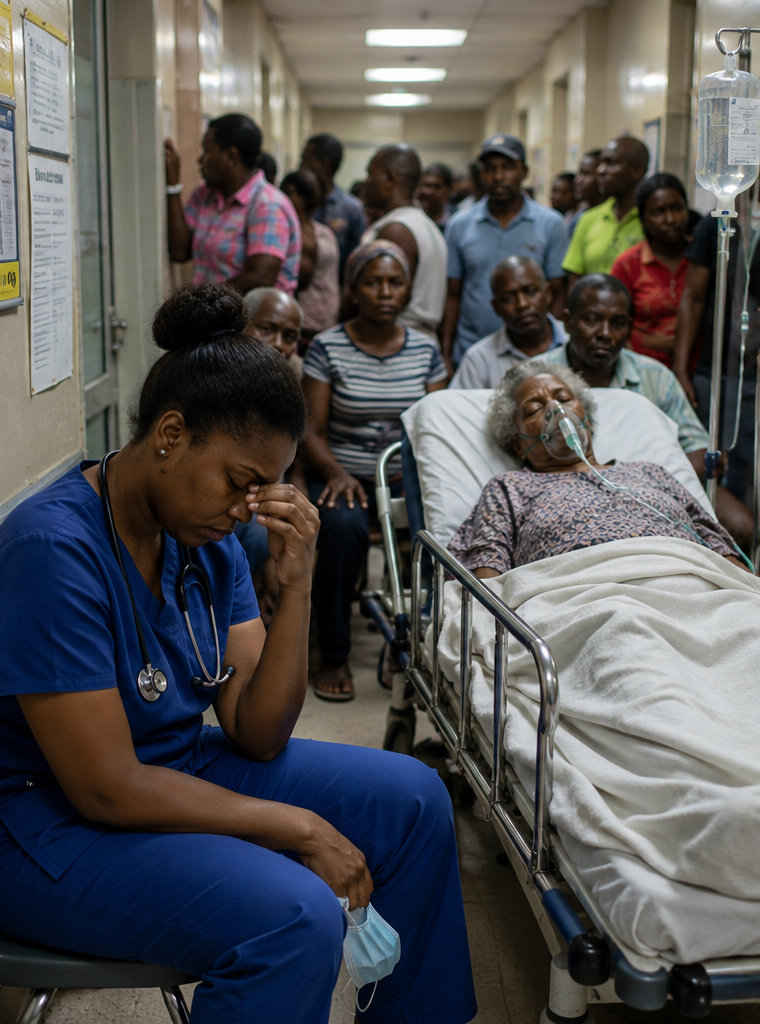
Pamela Redwood | Misery Patients? A dangerous distraction from the real crisis in healthcare
Our Today
Maranatha expands special needs unit
Jamaica Star
Tools to fight hantavirus show promise
Jamaica Gleaner
Tools to fight hantavirus show promise
Jamaica Gleaner
Ronald Thwaites | Choices matter
Jamaica Gleaner