

IEA forecasts first global oil demand drop since 2020 as US drivers burn more fuel
Worldwide oil consumption is on track to shrink this year for the first time since the height of the COVID-19 pandemic in 2020, the International Energy Agency reported.
The agency puts the expected decline at roughly one million barrels a day in 2026. It links the slide to higher crude prices and physical supply interruptions that have weighed heavily — though unevenly — across regions.
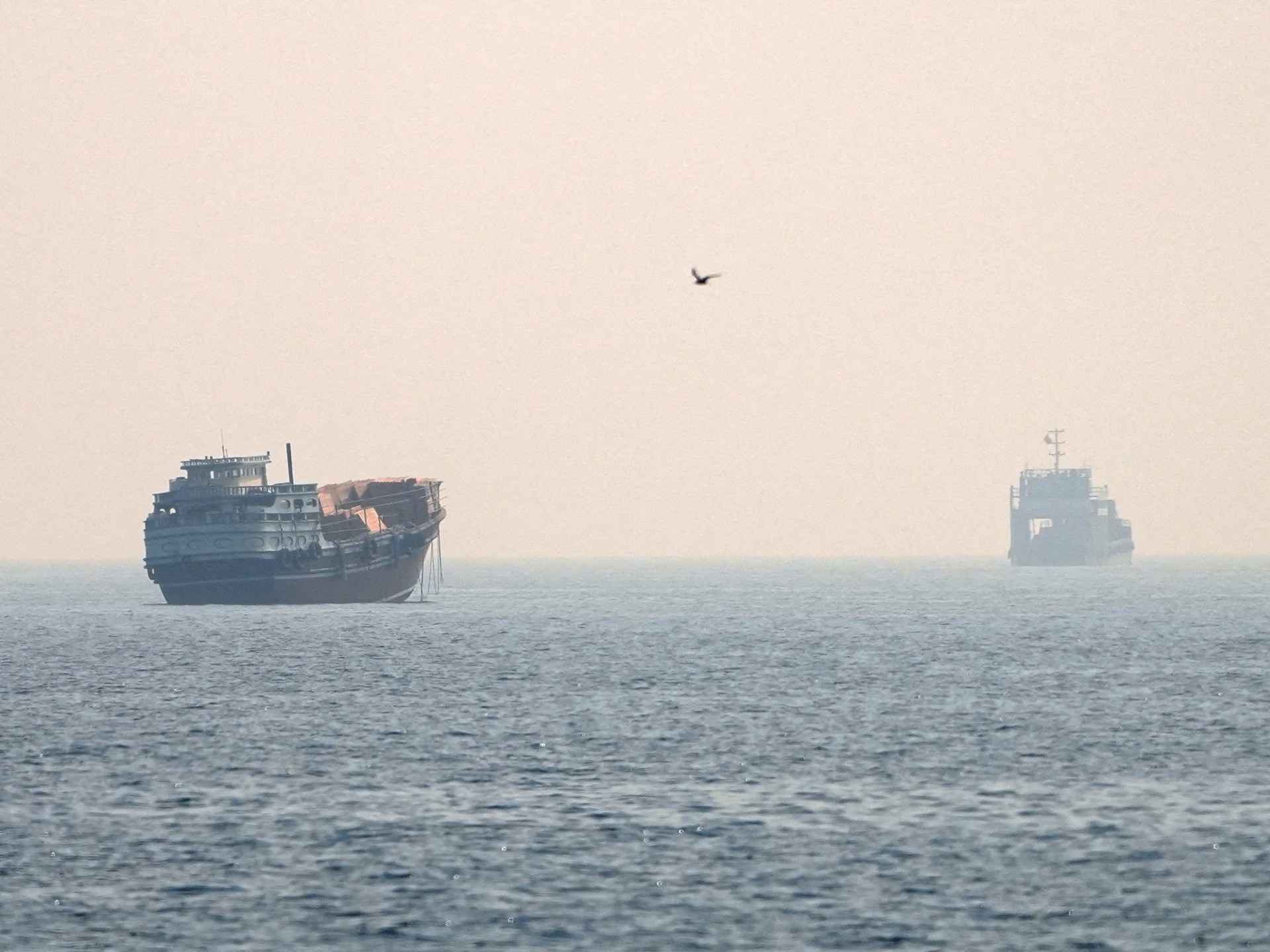
Those interruptions followed the war between the United States and Iran. Tankers laden with crude sat idle in the Persian Gulf for more than three months, unable to pass safely through the Strait of Hormuz, a key corridor for oil and gas shipments.
"The future of Hormuz is probably more uncertain today than it was at the beginning of the war," said Jim Burkhard, vice president and head of crude oil research at S&P Global Energy.
Burkhard said Iran is still seeking to control the strait, while the United States has not fully restored normal shipping. A return to prewar conditions, he argued, remains unlikely.
Global demand averaged just 97.9 million barrels a day in May — 5.3 million barrels below the same month a year earlier. Asia accounted for much of the shortfall, given its heavy reliance on Middle Eastern crude.
China's cut of 1.5 million barrels a day, a nine per cent decline, was by far the steepest drop worldwide, the report said.
The main exception to the global slump was the United States, where gasoline use rose in the second quarter of 2026 even though May pump prices stood about 50 per cent above prewar levels, according to the agency.
As prices climbed through the spring, China sharply scaled back purchases on the international market, trimming consumption by nearly 6.0 million barrels a day, Burkhard said.
"What China said is, 'You know what, prices are high, there's a crisis. We have this huge inventory stock, we can sustain demand. We're just going to cut by 50 per cent the amount of crude oil we buy,'" Burkhard said.
One way Beijing reduced offtake was by temporarily pausing additions to its strategic petroleum reserve, which had been taking in close to one million barrels a day, said Daniel Sternoff, senior fellow at the Center on Global Energy Policy at Columbia University.
The crisis also sped up conservation of road fuels as electric-vehicle use expanded, he said. "What we're tracking so far, at least since the crisis began, is China is probably on track to see somewhere between 500,000 and 600,000 barrels per day worth of demand losses for gasoline and diesel. So that's pretty significant," Sternoff said.
A fragile ceasefire allowed some vessels to exit through the Strait of Hormuz in June, putting more crude onto the market and helping pull prices lower.
Even after tensions between Washington and Tehran flared again earlier this month, prices did not surge.
"This grey zone conflict that the US and Iran are in, it's not really a shock to the oil market," Burkhard said. "It can push prices up and down a few dollars like it did the other day, but it's not the same shock that it was in early March when Iran did what many thought was unthinkable."
Analysts also noted that fewer buyers were ready to absorb the barrels that became available. On top of China's deep cutbacks, several Russian refineries could not process crude after Ukrainian drone strikes, and Middle Eastern plants remained damaged from the war, Burkhard said. As a result, prices for gasoline, diesel and other refined products have stayed elevated longer than crude itself, he added.
"There's this gush of supply of crude oil being made available to the market, and there's simply less demand for that crude oil," Burkhard said.
In the United States, the average price of a gallon of regular gasoline topped US$4.50 in May, climbing more than 50 per cent since the war began, according to AAA data. That did not keep motorists off the road; gasoline consumption rose in the second quarter.
One factor, Sternoff said, may be that gasoline has claimed a shrinking share of household income for years. Many workers have also been shifting from remote arrangements back to office jobs, he added.
"Even though it's a really political price that people pay a lot of attention to, if you are in the higher quintiles of income in the US, you might grumble about it, but you're not really driving less just because of that increase in prices," Sternoff said.
— AP
Syndicated from Jamaica Gleaner · originally published .
Legal context · powered by Jurifi
Get the legal angle on this story. Pick a prompt and Jurifi's AI will explain it using Jamaican law.
AI replies are based on Jamaican law via Jurifi. Not legal advice.
Other coverage
US-Iran escalation threatens oil supply recovery, warns IEA
Jamaica Inquirer
Trump says US ‘may take over Kharg Island’: Here’s what you need to know
Jamaica Inquirer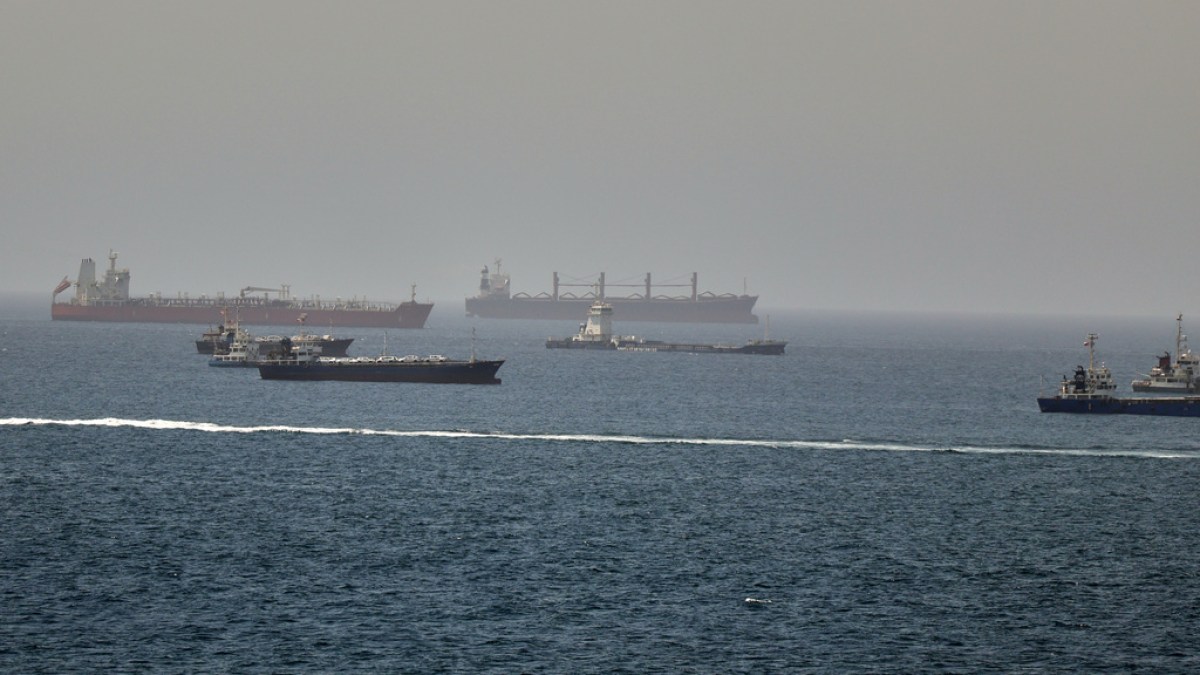
How Strait of Hormuz dispute led to latest US-Iran cycle of fighting
Jamaica Inquirer
Why have US-Iran strikes resumed and what does it mean for peace?
Jamaica Inquirer
Iraqi PM heads to US seeking balance between security and economy
Jamaica Inquirer