
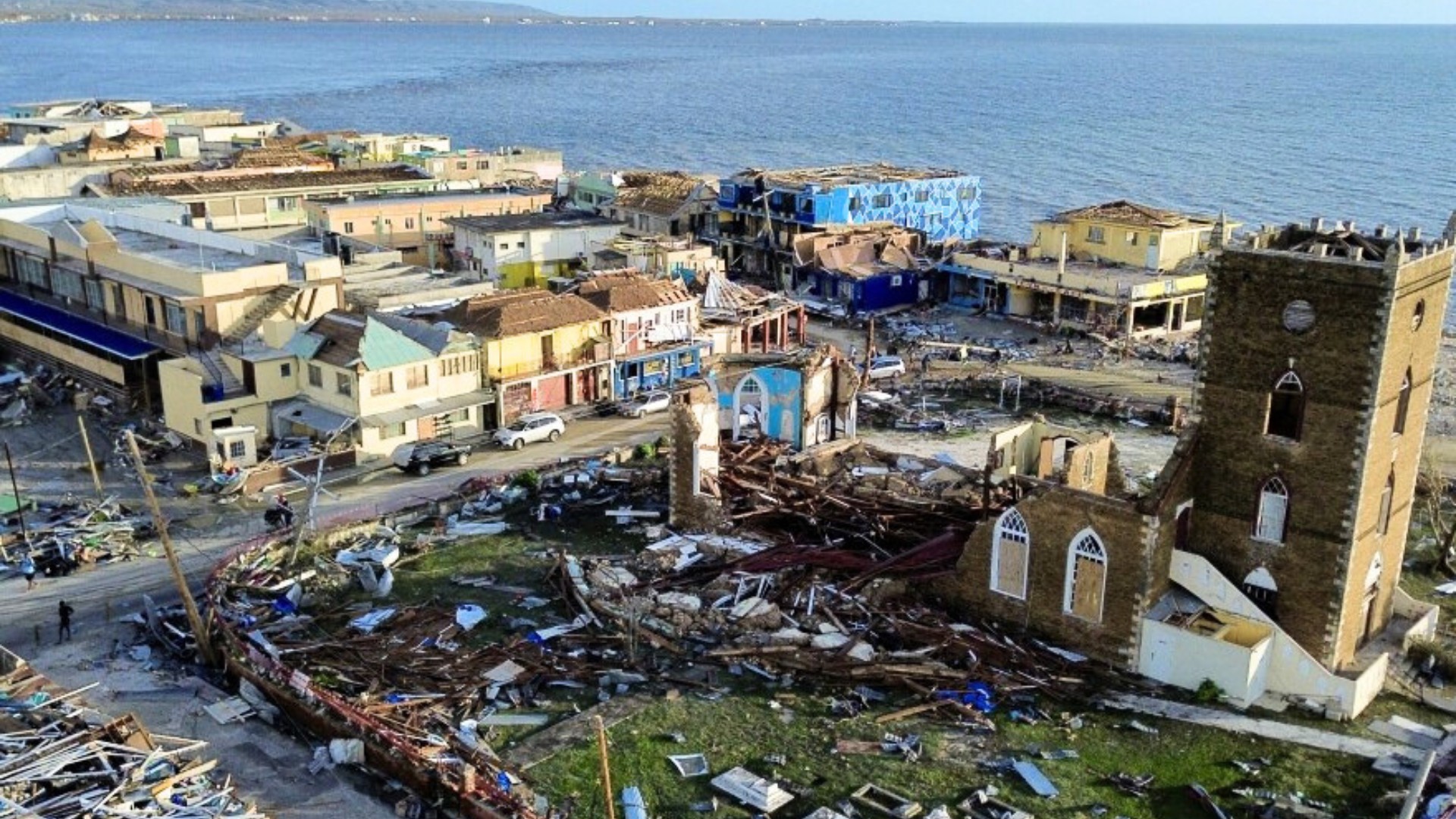
Government to Relocate Black River Inland in Climate-Resilient Urban Redevelopment Drive
Minister of State in the Ministry of Foreign Affairs and Foreign Trade, Alando Terrelonge, outlined what he called significant developments for St Elizabeth—and especially the historic town of Black River—during an interview at the recently concluded Jamaica Diaspora Conference in Montego Bay. Speaking against the backdrop of Hurricane Melissa's destruction, Terrelonge said the administration is looking past immediate recovery work and toward a large-scale climate-resilient redevelopment programme that could redefine the future of the southern parish.
"Saint Elizabeth was completely ravaged by Hurricane Melissa. As a Government we have done our best to get St. Elizabeth back on track in terms of support for our farmers and agriculture, and of course our business sectors, with rebuilding homes, hospitals, churches and so forth," Terrelonge told Jamaicans.com. "But the big news is that we are going to be building a new urban centre in Black River. We are going to move Black River away from the coast further inland as a part of our urban development programme."
The disclosure follows remarks Prime Minister Andrew Holness made during his 2026/27 Budget Debate presentation, when he set out a climate-resilient redevelopment approach for Black River after the severe harm Hurricane Melissa inflicted on the area. The initiative, to be steered by the newly formed National Reconstruction and Resilience Authority (NARRA), focuses on establishing a fresh inland urban core elevated above storm surge levels and anticipated sea-level rise, allowing vital public services and infrastructure to be shifted to a more secure setting.
Under the plan, essential institutions—including the hospital, courthouse, municipal offices, police station, tax office, schools, market and transport hub—would be moved to a newly planned inland town centre. The project would also deliver a town square, civic park, improved drainage and utility networks, and structures engineered to endure Category Five hurricane conditions.
Terrelonge placed the relocation within a wider climate adaptation agenda for Jamaica, pointing out that settlement patterns along the coast leave numerous communities exposed. "We recognise that more than 80 per cent of our population live within five kilometres of the coastline and so in terms of making Jamaica more climate resilient, we realise that we have to move some of our towns away from coastlines and further inland," he said. "So again, great news coming for St. Elizabeth."
Officials have already earmarked land parcels in and around Black River for reconstruction and resettlement, and the Urban Development Corporation is expected to work with property owners and local communities as planning advances. Prime Minister Holness has indicated that some settlements, such as Parrottee near the swamp and open coastline, may require full relocation, with consultations and public sensitisation forming part of the next stage.
Black River, among Jamaica's earliest established towns, is being held up as a template for how at-risk coastal settlements might be rebuilt amid a shifting climate. Should the administration's blueprint materialise, the parish could stand as one of the most visible cases of Jamaica converting disaster recovery into sustained climate resilience and urban renewal.
At the Diaspora Conference, Terrelonge also highlighted the investment openings linked to that transformation, presenting the redevelopment as a broader chance for Jamaicans at home and abroad to participate in the parish's next phase of growth.
Syndicated from Jamaicans.com · originally published .
Legal context · powered by Jurifi
Get the legal angle on this story. Pick a prompt and Jurifi's AI will explain it using Jamaican law.
AI replies are based on Jamaican law via Jurifi. Not legal advice.
Other coverage
Jamaica House Weekly - 23.06.2026
Jamaica Information Service (Video)Watch
Jamaica Magazine - 22.06.2026
Jamaica Information Service (Video)Watch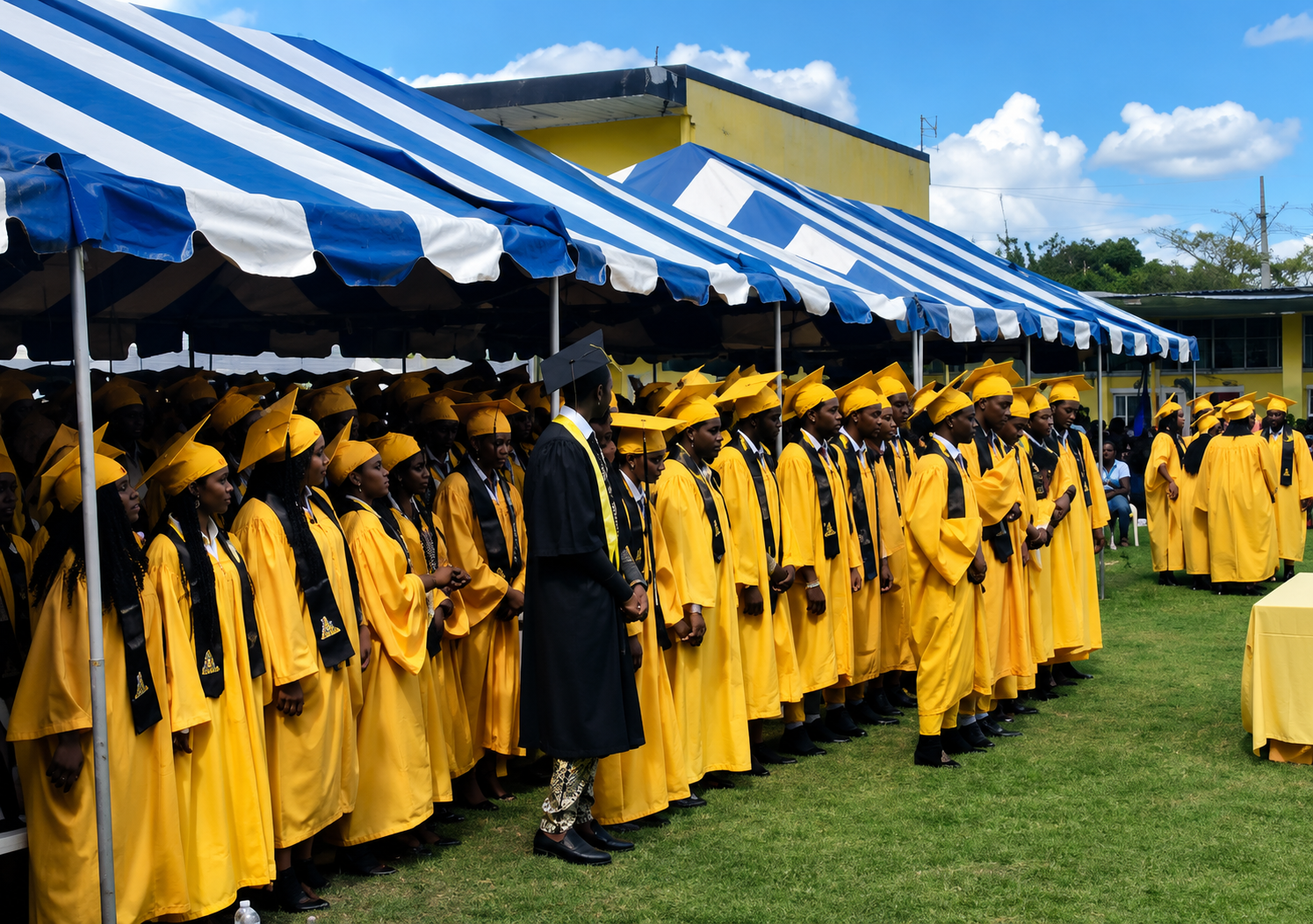
Floyd Green urges Black River High graduates to align their future with emerging opportunities in St Elizabeth
Our Today
UTech President leads Dialogue on the Future of Education and Diaspora Partnerships
Our Today
Minister Montague Urges Development Stakeholders to Prioritise Resilience
Jamaica Information Service