
सरकारी क्षेत्रीय समीक्षा: ग्रीनहाउस विस्तार, शंख निर्यात शुल्क में लचीलापन, अस्पताल, मासिक स्वास्थ्य पायलट और Workers Week
जलवायु झटकों के खिलाफ कृषि को मजबूत करने की व्यापक योजना के तहत सरकार का इरादा है कि 2026 समाप्त होने से पहले एक से अधिक परगना में निन्यानवे नए ग्रीनहाउस पर आठ सौ मिलियन जमैकन डॉलर खर्च किए जाएंगे। कृषि, मत्स्य पालन और खनन मंत्री Floyd Green ने बुधवार को संसद में अपनी क्षेत्रीय बहस प्रस्तुति के दौरान ये आंकड़े रखे।
उनके विवरण के अनुसार, Clarendon में Mocha के लिए चालीस संरचनाएं, दक्षिणी Manchester में Lancaster के लिए दस, St Ann में Water Valley के लिए बीस, St Catherine में Damad के लिए दस और St Ann में Blackstone Edge के लिए पंद्रह तय की गई हैं। Manchester के लिए Green ने कहा कि यह परगना एक ग्रीनहाउस समूह को सुरक्षित कृषि क्षेत्र में बदल रहा है, जिसमें भंडारण और एक नई कृषि पहुंच सड़क भी जोड़ी जाएगी।
उस पूंजीगत रेखा के साथ, Green Climate Fund के Adapt Jamaica कार्यक्रम से पांच वर्षों में डेढ़ अरब से अधिक डॉलर पूरे द्वीप में जलवायु-सहनशील ग्रीनहाउस अभियान को समर्थन देगा। Green ने कहा कि केंद्रबिंदु ऐसे इंजीनियर किए गए घर हैं जो Category 5 तूफान झेल सकें; सदस्यों से कहते हुए उन्होंने कहा वे चाहते हैं “एक ऐसा ग्रीनहाउस जो हमारी वास्तविकता के लिए उपयुक्त हो।”
उन्होंने उच्च उत्पादन वाली, सूखाग्रस्त परगनों के लिए लक्षित छोटे जल संचय तालाबों के एक सौ पैंतालीस मिलियन डॉलर के कार्यक्रम की भी घोषणा की, जिसका उद्देश्य कृषि जल आपूर्ति बढ़ाना, उत्पादन बढ़ाना और लचीलापन जोड़ना है। उन्होंने कहा कि National Irrigation Commission उन समुदायों तक पहुंचने के लिए दो जल ट्रक जोड़ेगी जहाँ ट्रक पहुंचने चाहिए, जबकि पुराने सामुदायिक संचय टैंक मरम्मत कर कृषि उपयोग में लाए जाएंगे। प्लास्टिक और घास मल्च, ड्रिप सिंचाई किट और भंडारण टैंक एक और स्तंभ हैं, और Green ने कहा कि उनका मंत्रालय इस मिश्रण की आपूर्ति शुरू कर चुका है।
मंगलवार को प्रतिनिधि सभा ने Conch Export Levy (Amendment) Act 2026 को मंजूरी दी, जिसे Green ने प्रस्तुत किया था; इससे शंख निर्यात शुल्क की संरचना और समय पर मंत्रालय का विवेक विस्तृत होता है। कानून एक ही मार्ग से, जो व्यावहारिक रूप से शिपमेंट से पहले भुगतान अनिवार्य करता था, उन वैकल्पिक अनुसूचियों की ओर जाता है जिन्हें मंत्री निर्धारित कर सकता है। Green ने तर्क दिया कि पुराना नियम कि भुगतान “भेजने से पहले देय है, जिसका शाब्दिक अर्थ है कि वसूली से पहले” हाल के उद्योग और मौसम झटकों के बीच निर्यातकों पर दबाव डाल चुका है। 2026 के पाठ में मंत्री, संसदीय अनुमोदन वाले आदेश से, निर्यातकों को भुगतान के लिए कितना समय मिले, राशि एकमुश्त हो या किस्तों में, और निर्दिष्ट मामलों में शुल्क माफ, घटाना या वापसी करना निर्धारित कर सकता है, जिसमें निर्यात स्वास्थ्य प्रमाणपत्र और शंख खेप के लिए निर्यात लाइसेंस जारी होने के बाद बारह महीने तक की अवधि भी शामिल है। ऐसा कोई भी बदलाव National Fisheries Authority और Fisheries Management and Development Fund की बोर्ड की सिफारिशों पर औचित्य पर आधारित होना चाहिए, जिसमें व्यापारिक परिस्थितियों, आर्थिक व्यवहार्यता और दीर्घकालिक स्थिरता का भार हो, न कि केवल राहत। विधेयक उस कोष के प्रबंधन बोर्ड को नौ सदस्यों तक बढ़ाता है—छह पदेन सदस्य और तीन उद्योग प्रतिनिधि।
स्वास्थ्य और कल्याण मंत्री Dr Christopher Tufton ने मंगलवार बोलते हुए कहा कि Cornwall Regional Hospital और Western Child and Adolescent Hospital दोनों इस वित्तीय वर्ष के भीतर खुलने की योजना में हैं, जबकि पुनर्निर्मित Spanish Town Hospital अगले वित्तीय वर्ष के मध्य के आसपास खुलना चाहिए। उन्होंने कहा कि उन्नत St Jago, Old Harbour और Greater Portmore स्वास्थ्य केंद्र इस कैलेंडर वर्ष में मरीजों को लेने के लिए तैयार हैं, प्रत्येक में मानक क्लिनिक से आगे प्रयोगशाला, फार्मेसी और नैदानिक क्षमता है, जो उन्होंने सार्वजनिक स्वास्थ्य अवसंरचना के व्यापक नवीनीकरण का हिस्सा बताया।
Tufton ने राष्ट्रीय मासिक स्वास्थ्य समानता पायलट का भी ब्योरा दिया, जो आठ स्कूलों और लगभग दो हजार लड़कियों को लक्षित करता है, पचास मिलियन डॉलर से समर्थित और शिक्षा मंत्रालय के साथ-साथ UNICEF और Herflow Foundation सहित नागरिक और बहुपक्षीय भागीदारों के साथ चलाया जाएगा। उत्पादों और सुविधाओं की कमी से कक्षा पर पड़ने वाले प्रभाव का हवाला देते हुए उन्होंने सर्वेक्षण जैसे आंकड़े नोट किए कि निम्न आय वाले समुदायों की एक में से चार लड़कियां मासिक धर्म के दौरान स्कूल छोड़ सकती हैं और लगभग तीस प्रतिशत सार्वजनिक स्कूल ही अभी मुफ्त आपूर्ति देते हैं, अनुपस्थिति को कमजोर ग्रेड और व्यापक अंतराल से जोड़ा। PATH नामांकन के आधार पर आंशिक रूप से स्थल चुनने वाला पायलट राष्ट्रीय नीति का बीज बोने के लिए है और इसमें जल, स्वच्छता और स्वच्छता उन्नयन, HPV टीकाकरण, स्वच्छता शिक्षा तथा HIV और यौन संचारित संक्रमण रोकथाम शामिल होगी। उन्होंने पीरियड गरीबी को संकीर्ण स्वच्छता चिंता से परे “एक प्रणालीगत बाधा” बताया “जो लड़कियों को कक्षा से बाहर रखती है।”
Workers Week 2026 रविवार 17 मई से सोमवार 25 मई तक “Voices heard, shaping labor policies in an evolving labor market” विषय पर चलेगा। श्रम और सामाजिक सुरक्षा मंत्रालय में मुख्य तकनीकी निदेशक Jillian Corodus ने JIS News से कहा कि कार्यक्रम श्रम नीतियों के डिजाइन में श्रमिकों को केंद्र में रखता है। कार्यक्रमों में 17 मई को संयुक्त National Workers Week और Labour Day धन्यवाद सेवा; 20 मई को St Andrew में UWI Regional Headquarters पर Industrial Disputes Tribunal का “Promoting justice, fairness, and workplace harmony” शीर्षक वाला संगोष्ठी; 21 मई को Kingston तट पर Alexander Bustamante स्मारक पर माल्यार्पण और St Ann में “rebuilding a resilient and productive Jamaica” के तहत श्रम रोडशो; 22 मई को Westmoreland के Frome में Workers Park पर पांचवां Frome reflections समारोह, जो 1938 के श्रम दंगों से जुड़ा स्थल है; 23–24 मई को पूरे द्वीप में शताब्दी पूर्ण व्यक्तियों से मुलाकातें; और 25 मई को Labour Day परियोजनाएं शामिल हैं, जिनमें “one people, one purpose in all things Jamaica wins” के तहत खेल और सामुदायिक विक्षा पर जोर है। Workers Week कार्यक्रम का नेतृत्व श्रम और सामाजिक सुरक्षा मंत्रालय करता है, जबकि संस्कृति, लिंग, मनोरंजन और खेल मंत्रालय में National Labour Day Secretariat स्वयं Labour Day का समन्वय करता है।
सिंडिकेट स्रोत Jamaica Information Service (Video) · मूल रूप से प्रकाशित .
कानूनी संदर्भ · Jurifi द्वारा
इस कहानी का कानूनी पक्ष देखें। एक प्रश्न चुनें और Jurifi का AI जमैकाई कानून के अनुसार समझाएगा।
AI उत्तर Jurifi के माध्यम से जमैकाई कानून पर आधारित हैं। यह कानूनी सलाह नहीं है।
अन्य कवरेज

Ja Govt launches National Menstrual Health Equity Initiative in partnership with HerFlow Foundation and UNICEF
Our Today
Major Health Facilities to Open In 2026/27
Jamaica Information Service
Gov’t to Undertake $800-Million Greenhouse Expansion
Jamaica Information Service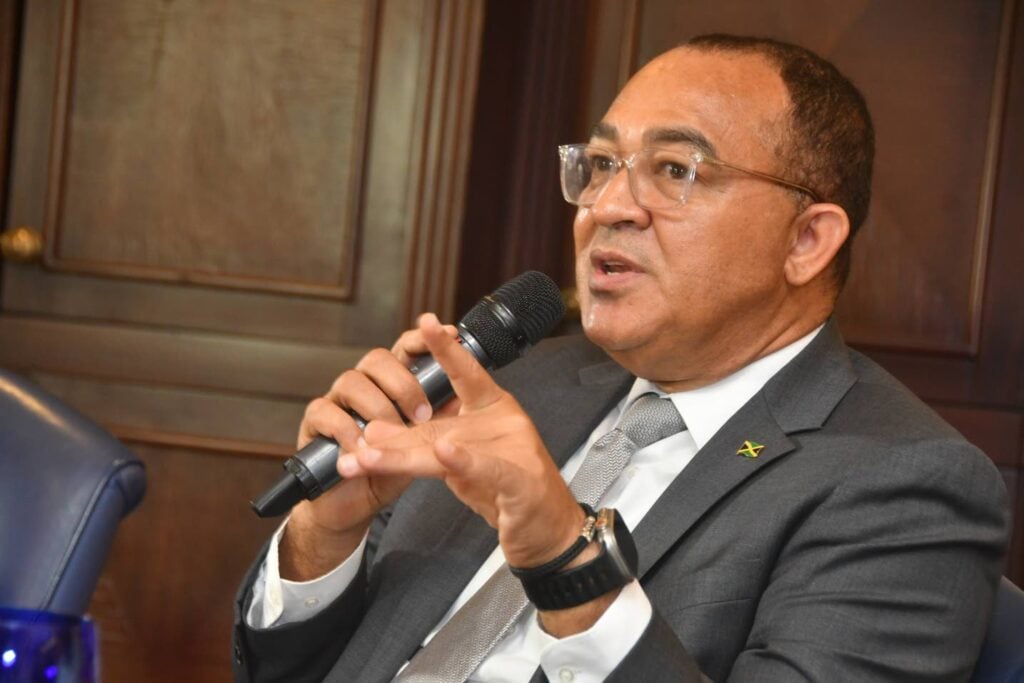
Jamaica to roll out $50 million pilot program to combat period poverty in schools
Cnweekly
Minister Encourages Jamaicans to Participate In Labour Day Activities
Jamaica Information Service