
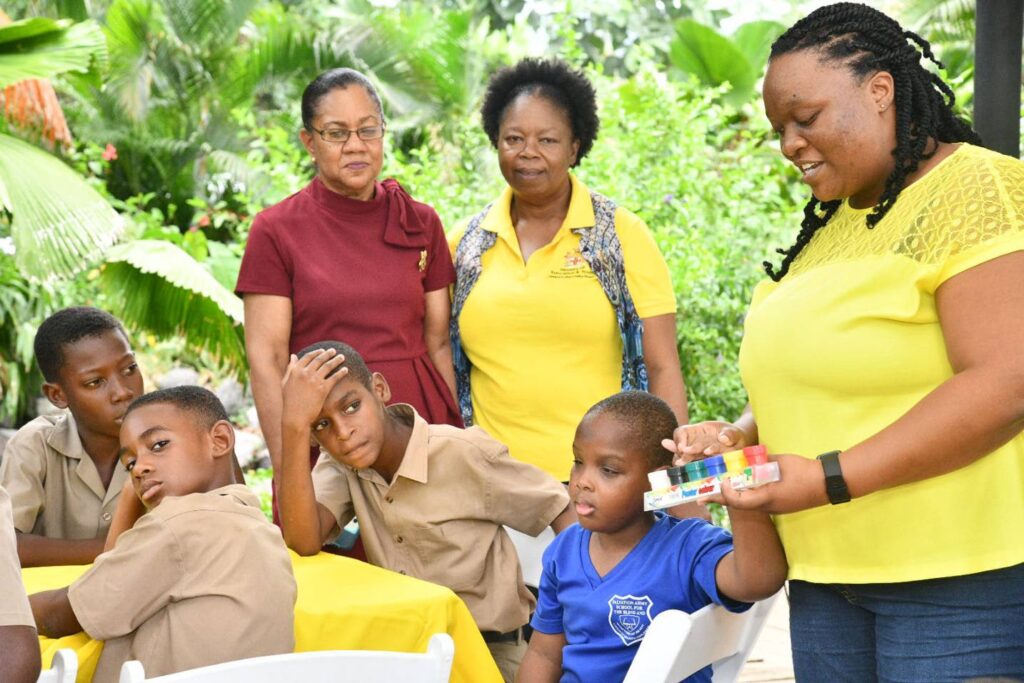
Devon House में Child Month मानसिक स्वास्थ्य मंच से जुड़े विशेष आवश्यकता वाले विद्यार्थी
कई Corporate Area संस्थानों के विशेष आवश्यकता वाले बच्चों ने गुरुवार को St Andrew के Devon House में समय बिताया, जहां Ministry of Education ने Child Month गतिविधि आयोजित की, जिसका उद्देश्य उन्हें स्वागतपूर्ण माहौल में खुलकर बोलने में मदद करना था।
Salvation Army School for the Blind, Danny Williams School for the Deaf, Carberry Court School of Special Education, Randolph Lopez School of Hope और Hope Valley Experimental School के विद्यार्थियों ने Devon House के लॉन में मंत्रालय के Child Conversations कार्यक्रम में भाग लिया।
सत्र “हमारे बच्चों के मानसिक स्वास्थ्य को प्राथमिकता, मजबूत मन, सुरक्षित भविष्य” थीम के तहत आयोजित किया गया और इसमें बच्चों को ऐसे विद्यार्थियों के साथ घुलने-मिलने का अवसर भी मिला जिन्हें विशेष आवश्यकताएं नहीं हैं।
Ministry of Education, Skills, Youth and Information में Children’s Affairs and Policy की वरिष्ठ निदेशक Hyacinth Blair ने कहा कि उद्देश्य बच्चों के लिए मानसिक स्वास्थ्य पर बातचीत को सामान्य बनाना था। “हम चाहते हैं कि हमारे बच्चे समझें कि चीजों को लेकर उदास होना ठीक है। चीजों के बारे में बात करना ठीक है। मानसिक तंदुरुस्ती का मतलब यह नहीं कि आप पागल हैं, यूं कहें तो। हम चाहते हैं कि वे समझें कि जैसे शारीरिक रूप से स्वस्थ और भावनात्मक रूप से स्वस्थ होना महत्वपूर्ण है, वैसे ही मानसिक रूप से स्वस्थ होना भी उसका हिस्सा है। हम चाहते हैं कि वे समझें कि अपनी मानसिक तंदुरुस्ती सुनिश्चित करने के तरीके खोजना ठीक है,” Blair ने Jamaica Observer से कहा।
Blair ने कहा कि बच्चे कभी-कभी दिव्यांगता के साथ जी रहे लोगों के प्रति कठोर प्रतिक्रिया दे सकते हैं, और मंत्रालय चाहता था कि दोनों समूह साथ समय बिताएं ताकि वे एक-दूसरे को बेहतर समझ सकें।
“हमने उन्हें सक्षम शरीर वाले साथियों के साथ जोड़ा है, और हम बातचीत चाहते हैं ताकि जिन बच्चों को चुनौतियां नहीं हैं और हमारे विशेष आवश्यकता वाले बच्चों के बीच समझ का स्तर अधिक हो सके, जिससे अधिक सहयोग और अधिक समझ बन सके,” Blair ने कहा।
उन्होंने कहा कि इस तरह का संपर्क बच्चों को सहपाठियों के बीच चिढ़ाने या असंवेदनशील व्यवहार देखने पर उसे चुनौती देने में मदद कर सकता है। “बच्चे सचमुच क्रूर हो सकते हैं। आप विशेष आवश्यकता वाले किसी बच्चे को देख सकते हैं और दूसरा बच्चा उसे चिढ़ाना चाहेगा। इसलिए हम चाहते हैं कि वे एक-दूसरे को अधिक समझें, अधिक बात करें। और इस तरह, अधिक समझ के साथ, आप, एक ऐसे बच्चे के रूप में जो वही चुनौती साझा नहीं करता, अन्य विद्यार्थियों की भीड़ में हो सकते हैं, और क्योंकि आपका उस बच्चे या उस विशेष आवश्यकता से परिचय हुआ है, आप अपने साथियों से कह सकेंगे, ‘ऐसा मत करो’ या ‘ऐसा मत कहो,’ ” Blair ने जोड़ा।
Blair ने यह भी कहा कि शोध बताता है कि विशेष आवश्यकता वाले बच्चों को दुर्व्यवहार का अधिक जोखिम होता है, जबकि मानसिक स्वास्थ्य को बहुत लंबे समय तक ऐसे विषय की तरह देखा गया है जिससे लोग बचते हैं।
“उनमें यह शायद अधिक है क्योंकि कभी-कभी हम उन्हें वैसे याद नहीं रखते जैसे रखना चाहिए। और कभी-कभी वे अपनी चुनौतियों या समस्याओं को दूसरे बच्चे की तरह व्यक्त नहीं कर पाते, उस समस्या के कारण जो उनके पास हो सकती है। एक समय था जब हम मानसिक स्वास्थ्य पर बात नहीं करते थे। यह कुछ ऐसा था जिसे हम अलमारी में बंद रखते थे, लेकिन अब हम समझते हैं कि मजबूत मन विकसित करने और अपने देश के लिए सुरक्षित भविष्य बनाने के लिए हमारे बच्चों का मानसिक रूप से स्वस्थ होना जरूरी है,” Blair ने Observer से कहा।
“वास्तव में तरीकों में से एक है खुद को व्यक्त कर पाना, उन चीजों के बारे में बात करना जो आपको परेशान कर रही हैं, और समाधान खोजना। खुद को व्यक्त करते हुए सुरक्षित महसूस करना। हम चाहते हैं कि यह जीवन का सामान्य हिस्सा बन जाए,” Blair ने जोड़ा।
उन्होंने कहा कि खतरे में हो सकने वाले बच्चों के लिए चैनल मौजूद हैं, लेकिन संचार बाधाओं के कारण कुछ बच्चे उनका उपयोग नहीं कर सकते। “हमारे पास 211 हॉटलाइन जैसी व्यवस्था है, जिस पर आप बाल दुर्व्यवहार की रिपोर्ट कर सकते हैं। लेकिन यदि कोई बच्चा बोल नहीं सकता, सचमुच, तो वह इसका उपयोग नहीं कर सकता। इसलिए ऐसे अन्य माध्यम होने चाहिए जिनसे वे संवाद कर सकें। और हमें यही देखना है ताकि कम से कम इसे बढ़ाया जा सके और उनके लिए इसे आसान बनाया जा सके। यदि कोई बच्चा ठीक से बोल नहीं पाता, ठीक से सुन नहीं पाता, तो उसके लिए यह व्यक्त करना कठिन होता है कि वह कैसा महसूस कर रहा है,” Blair ने कहा।
Danny Williams School for the Deaf की शिक्षिका Sashoir Murphy Hewitt ने मंत्रालय के प्रयास का स्वागत किया। “मुझे लगता है कि यह पहल बहुत लाभकारी होगी, खासकर बधिर विद्यार्थियों के लिए, क्योंकि Jamaican Sign Language ऐसी भाषा नहीं है जो सार्वजनिक रूप से जानी जाती हो, और वही उनकी पहली भाषा है, इसलिए कई बार उनके पास संवाद करने के लिए ऐसे लोग नहीं होते जो उन्हें समझते हों या जिनके साथ वे सहज महसूस करें और जो कुछ वे झेल रहे हैं उसे साझा कर सकें,” Murphy Hewitt ने कहा।
सिंडिकेट स्रोत Jamaica Observer · मूल रूप से प्रकाशित .
कानूनी संदर्भ · Jurifi द्वारा
इस कहानी का कानूनी पक्ष देखें। एक प्रश्न चुनें और Jurifi का AI जमैकाई कानून के अनुसार समझाएगा।
AI उत्तर Jurifi के माध्यम से जमैकाई कानून पर आधारित हैं। यह कानूनी सलाह नहीं है।
अन्य कवरेज

CVM Sunrise Morning Show: May 28, 2026 | CVMTV
CVM TV (Video)देखें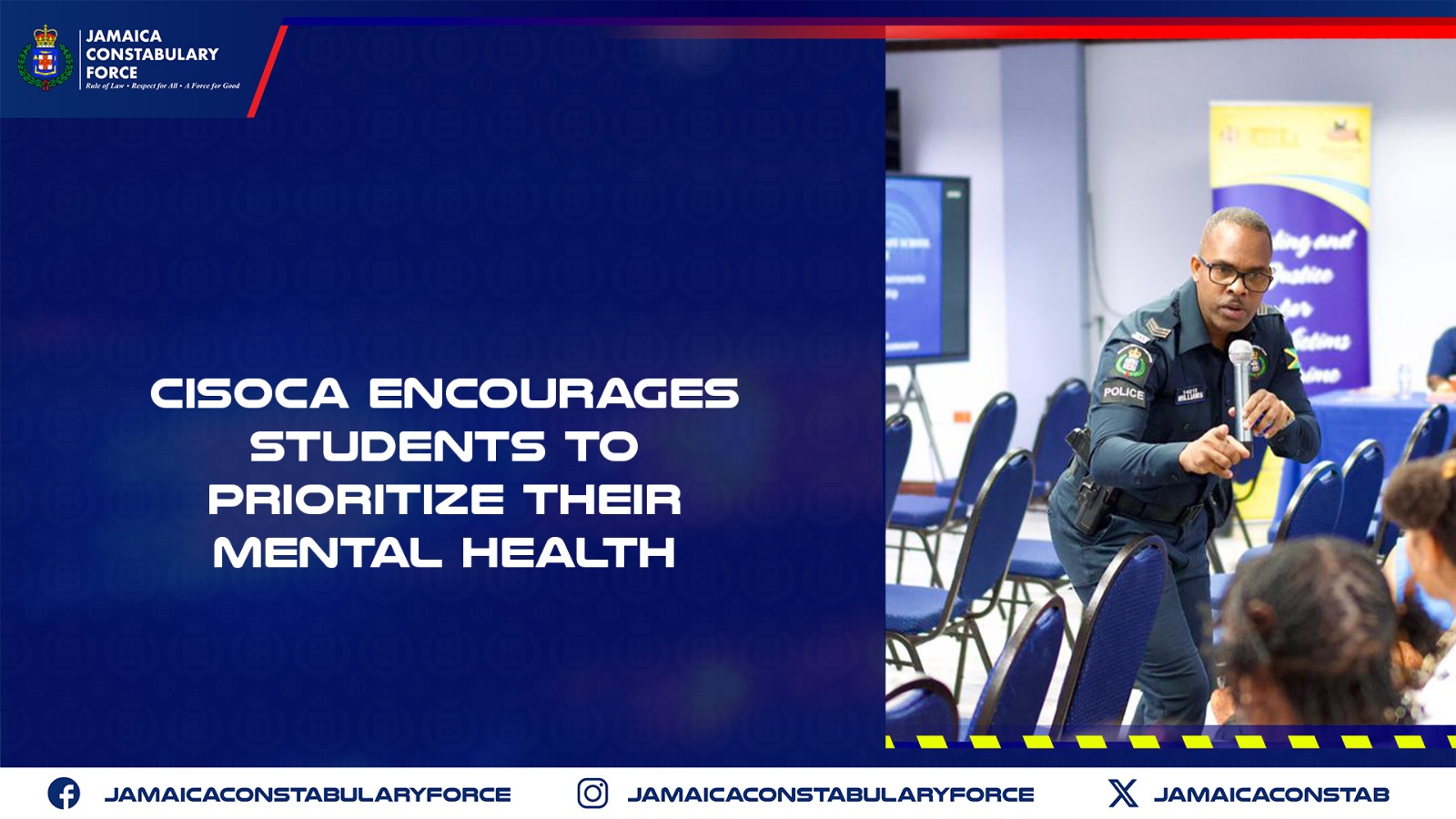
CISOCA Encourages Students To Prioritize Their Mental Health
JCF — Jamaica Constabulary Force
What will football look like in a year? | SportsMax Zone
SportsMax (Video)देखें
Jamaica Magazine-24.05.2026
Jamaica Information Service (Video)देखें
Labour Day - Passing the spirit of Community to the Next Generation
Jamaica Information Service (Video)देखें