

Jamaica Utilities Put Recovery And Resilience Ahead Of Rivalry After Hurricane Melissa
Competition still matters in Jamaica’s utility sector, but Digicel Jamaica CEO Stephen Murad says Hurricane Melissa pushed service providers to put national recovery ahead of rivalry. He said the destruction in hard-hit communities was severe enough to require closer teamwork and a long-term commitment to helping residents get back on their feet.
Murad said telecoms and other utility companies normally battle for customers and market position, but that changed sharply after the hurricane left several communities in western Jamaica trying to rebuild.
“I think it’s important to get back to the crux of what we do as entities around protecting Jamaica. That’s the thing that keeps me awake every single night — to think about what we can do. I know Hugh [Grant, president of the Jamaica Public Service (JPS)] is not here, but I think since Hugh came along, the collaboration between all of us is absolutely tight,” he said.
He made the comments at a Jamaica Observer Press Club session last Thursday, where senior figures from major utilities spoke about readiness for the Atlantic hurricane season, which begins today.
According to Murad, one major takeaway from Hurricane Melissa was that organisations responsible for essential services must work together when the country is under pressure.
“Hugh and I will have all the rivalry in the world, absolutely, and that’s important from a customer perspective, but country first. It’s all we thought about, whether you’re red or blue, it doesn’t matter…country first, recovering the country, [because] there are still people that are feeling the after-effects of the most devastating events in a long, long time, and we shouldn’t forget that at all whatsoever,” he explained.
Murad said Digicel’s role after the storm was not limited to reconnecting customers. He noted that the company is still assisting communities months after the hurricane.
“We are an essential provider of services, and we don’t stop until we get those services provided. Yes, it’s important from a business perspective, absolutely, but it’s also because we live and operate here. We employ probably 1,000 people here each, and…it’s important that we understand the impact on them,” he said.
Flow Jamaica Vice-President and General Manager Stephen Price shared a similar view, saying utility companies are trying to make their networks stronger while also carrying the rising expense of disaster recovery and supply chain disruption across the world.
Price said Flow has put about US$85 million into recovery work since November. He added that the company spent another US$27 million on spectrum to meet heavier network demand after Hurricane Melissa. Flow has also increased backup power capacity, placed about 80 kilometres of transmission cable underground, and strengthened key sites exposed to storm surge.
Even so, Price said resilience is costly, especially for countries such as Jamaica.
“We are one of the small island developing states, [and] this kind of infrastructure is expensive, this kind of infrastructure costs real money, [and] we know the kind of situations and pressures on the economy that can have. We’ve seen inflation numbers since the hurricane, you notice none of us have increased rates as yet, we’ve absorbed the fuel price increases and all these costs that are coming in,” he added.
He said the pressure is not only from fuel. Petroleum-based goods, fibre equipment, shipping and other imported inputs have all become more expensive in recent years. Price said providers are trying to protect customers from those increases, but suggested that continued spending on stronger systems could eventually mean changes in costs. He also indicated that customers may later see higher charges as companies keep investing in more durable networks.
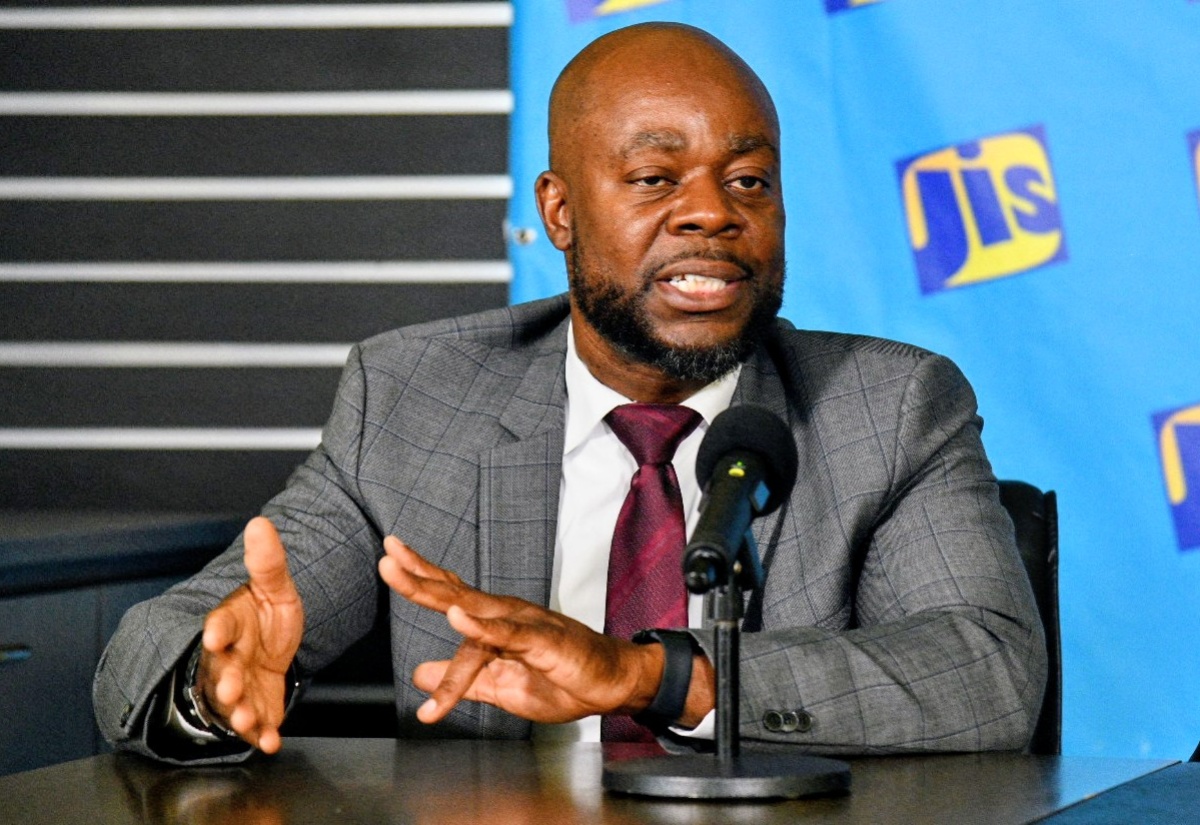
At the National Water Commission, Corporate Public Relations Manager Delano Williams said the entity is putting roughly $1.2 billion into additional generators for major and secondary facilities islandwide. He said the commission is also improving arrangements with trucking contractors so water can be moved quickly in emergencies.
JPS Chief Operating Officer Lance Becca said the power company has widened its links with overseas utilities and suppliers. He said those relationships should help JPS source important materials faster after major disasters and improve its plans for future storms.
Syndicated from Jamaica Observer · originally published .
Legal context · powered by Jurifi
Get the legal angle on this story. Pick a prompt and Jurifi's AI will explain it using Jamaican law.
AI replies are based on Jamaican law via Jurifi. Not legal advice.
Other coverage
NWC Ramps Up Preparation for 2026 Hurricane Season
Jamaica Information Service
Business News: May 22, 2026 | @CVMTVNews
CVM TV News (Video)Watch
Flow to set up Liberty Business in MoBay amid surge in digital demand
Radio Jamaica News Online
PM: ODPEM Needs Further Strengthening to Improve Emergency Response | TVJ News
Television Jamaica (Video)Watch
NWC ramps up preparation for 2026 hurricane season
Jamaica Gleaner