

CARICOM leaders urge caution as US third-country deportation talks intensify
Caribbean states preparing to receive hundreds of deportees who are not their nationals from the United States insist the arrangement must leave everyday life undisturbed and treat the region only as a temporary stop before those people go back to their own countries.
Those positions appeared in a special communiqué released Thursday after a three-day leaders’ meeting in St. Lucia the previous week. Officials said the third-country nationals programme, or TCNs, worried enough member governments that it was put on the summit agenda and examined in detail.
Leaders asked people across the region to grasp that the plan is not meant as permanent resettlement. Its purpose, they said, is to give deportees a path toward returning home. “They emphasized the need citizens of the region to understand the distinction. They further agreed that every effort should be made to engage CARICOM citizens on these issues. They also affirmed their commitment to the principles of safe, orderly and regular migration, and to the dignity of migrants,” the statement noted.
They also held firm that no country should take in deportees who have criminal records.
Incoming CARICOM chair and St. Lucia Prime Minister Phillip Pierre said governments will circulate updates on their talks with Washington so each island better understands how the contested programme is unfolding. “Yes, we did discuss it. It’s an issue that is of concern to all of us. We discussed it, and we took a position that we would share some more information among ourselves about what, really, is each island doing. Right now, we are not clear,” he added. “Right now, it’s a fact the United States has asked most islands to accept third-country nationals,” he told reporters.
Visa curbs the United States has applied to several Eastern Caribbean countries, among them Dominica and Antigua, have led some heads of government to describe participation as a “pragmatic” move aimed at restoring full visa access lost in January.
Antigua and Barbuda Prime Minister Gaston Browne said last week he believes those visa measures were calculated to force his twin-island federation to take deportees — as many as 120 a year. His cabinet has said it will firmly commit to no more than 14 while the sides argue over the figure.
Jamaica has said it will take 25 deportees every fortnight for a period that has not yet been defined, a decision that has unsettled civic groups and opposition politicians.
Syndicated from Caribbean Life · originally published .
Legal context · powered by Jurifi
Get the legal angle on this story. Pick a prompt and Jurifi's AI will explain it using Jamaican law.
AI replies are based on Jamaican law via Jurifi. Not legal advice.
Other coverage
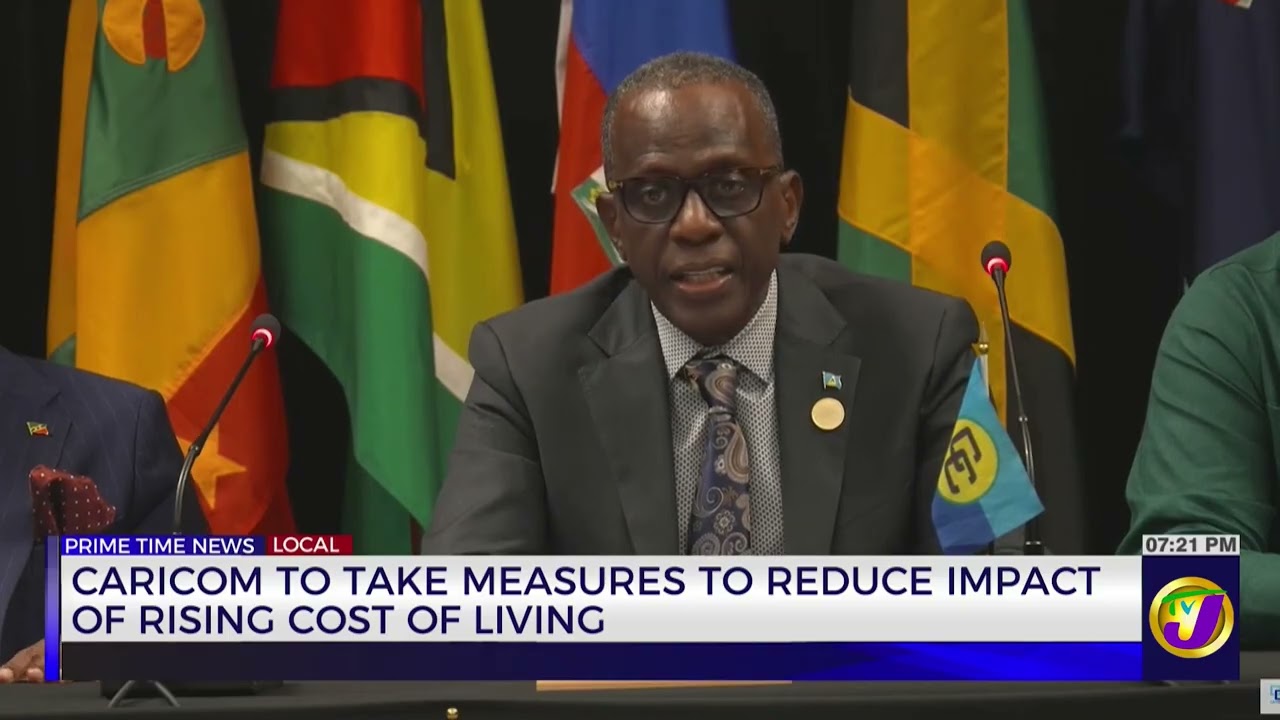
Caricom To Take Measure To Reduce Impact Of Rising Cost Of Living | TVJ News
Television Jamaica (Video)Watch
Jamaican Pastor among 11 deported by US to Eswatini under Third-Country Agreement
Our Today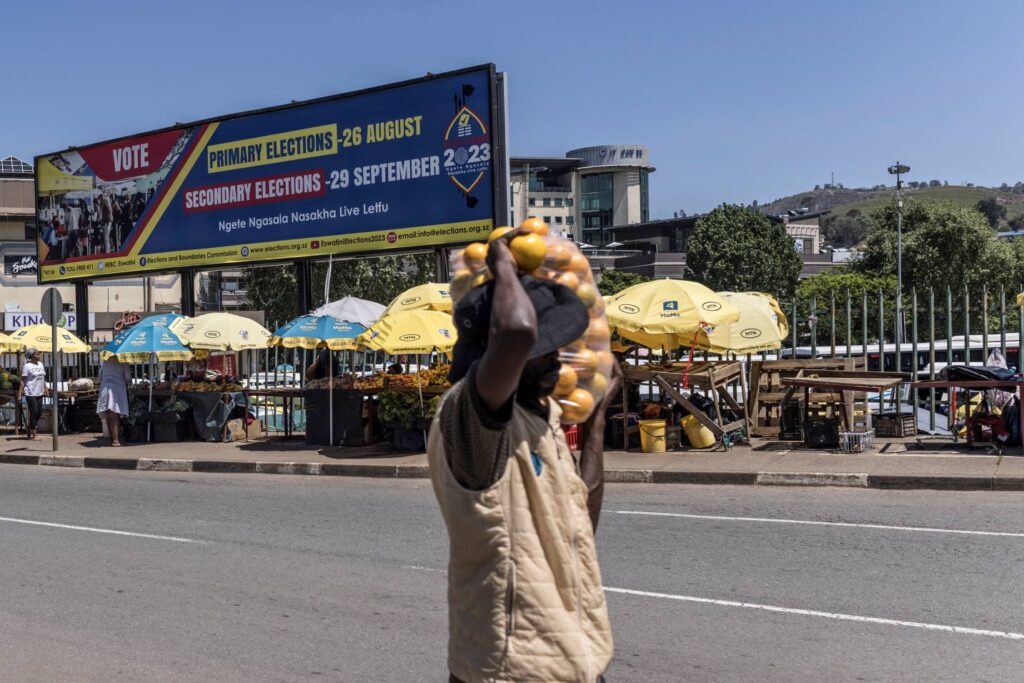
Eswatini says 11 new US deportees ‘mostly African’
Jamaica Observer
Sunday Sips with HG Helps | Dayton Campbell’s mature decision, Why embrace TC Nationals if they are not criminals? World Cup sweetener, and a real policeman
Our Today
Specialised Cuban Nurses to Refill Previous Posts| News at 7 PM | @CVMTVNews
CVM TV News (Video)Watch