


There is a dangerous habit that nations develop when excellence becomes routine. We stop recognising greatness while it is happening. When extraordinary achievements emerge often enough, they lose their ability to shock us. We become accustomed to excellence. We expect it. We normalise it. And in doing so, we often fail to celebrate those who deserve our admiration the most.
No country illustrates this paradox better than Jamaica. For decades, this small island has produced an astonishing concentration of world-class talent. We have given the world Olympic champions, global music icons, record-breakers, innovators, and cultural leaders. Yet there remains a troubling pattern in how we recognise success: we often wait for the rest of the world to tell us who our heroes are before we acknowledge them ourselves.
Which brings us to Khadijah “Bunny” Shaw.
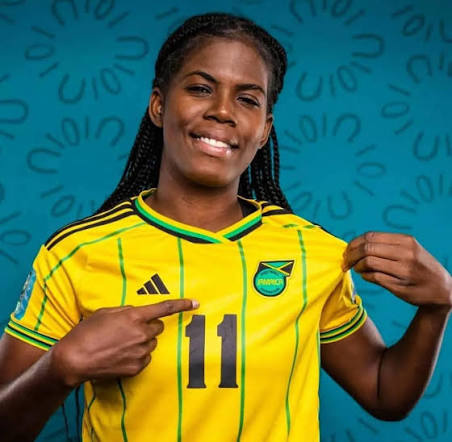
Pause for a moment and consider what is being said about this woman internationally—not in Jamaica, but internationally. Khadijah Shaw is not simply one of the best female footballers in the Caribbean. She is not merely among the greatest players Jamaica has ever produced. Many respected voices within the global game now regard her as one of the finest strikers in women’s football today. A Jamaican woman from Spanish Town is competing in conversations about being the best in the world at what she does.
Yet if you stopped the average Jamaican on the street and asked them to identify Bunny Shaw’s achievements, many would struggle to do so. That should concern us. It should concern every policymaker, every corporate executive, every educator, and every citizen who claims to care about national development.
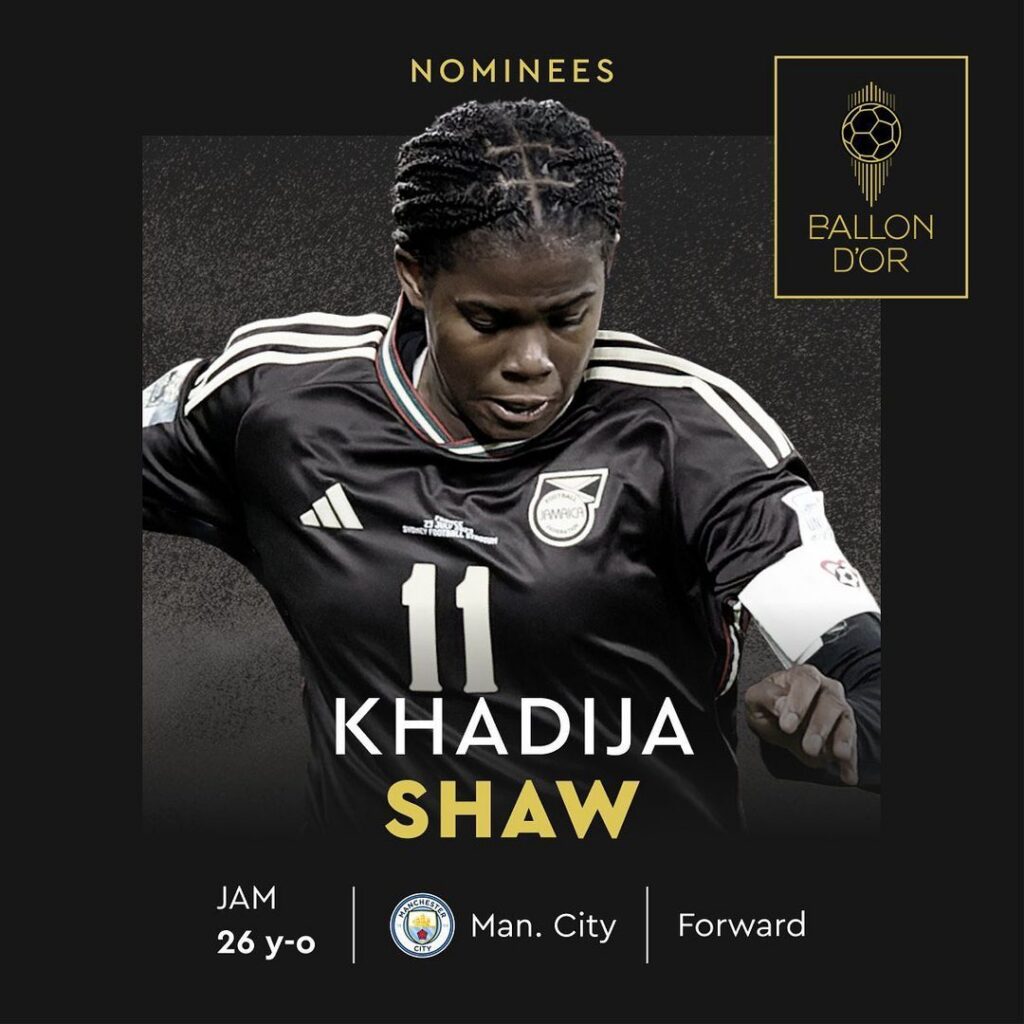
This season alone, Shaw’s accomplishments have been extraordinary. Playing for Manchester City, one of the most recognised football clubs in the world, she has continued to establish herself among the elite goal scorers in England’s Women’s Super League. She has collected individual honours, broken records, carried expectations, and represented Jamaica with distinction on football’s biggest stages. These are not ordinary achievements. These are historic achievements.

And yet, where is the national celebration? Where are the major endorsement campaigns? Where are the welcome-home receptions? Where are the corporate partnerships? Where is the national conversation? Why is one of Jamaica’s most accomplished athletes not one of Jamaica’s most visible public figures?
In countries around the world, athletes of Shaw’s stature become symbols of national pride. In Australia, Sam Kerr is a cultural icon whose influence extends beyond football. In Norway, Ada Hegerberg’s achievements generated national celebrations and widespread recognition. In the United States, elite female footballers have become household names, appearing in major advertising campaigns and influencing public discourse. Their countries understand something important: sporting excellence is not merely entertainment; it is a national asset.
The issue, however, extends beyond Bunny Shaw. Her story simply exposes a broader weakness in how we value achievement. For generations, Jamaica has struggled to consistently celebrate excellence outside the disciplines we traditionally prioritise. Our admiration for track and field is understandable. Athletics has provided some of the greatest moments in our national history. From Merlene Ottey to Veronica Campbell-Brown, from Shelly-Ann Fraser-Pryce to Usain Bolt, these athletes transformed how the world sees Jamaica.
But appreciation for one sport should never require the neglect of another. When Alia Atkinson became one of the world’s premier swimmers, the recognition often failed to match the magnitude of her accomplishments. When Natoya Goule broke barriers in middle-distance running, she publicly questioned whether her achievements were receiving the attention they deserved. When Hansle Parchment delivered Olympic gold for Jamaica, the celebrations felt fleeting compared to the significance of what he had achieved. And now we find ourselves having a similar conversation about Bunny Shaw.
The question is simple: why are we so comfortable allowing the world to celebrate our heroes before we do? Perhaps the answer lies in familiarity. Perhaps we have become so accustomed to producing greatness that greatness no longer feels remarkable. But that mindset is dangerous. Nations that fail to celebrate excellence ultimately weaken the very culture that produces it.
Recognition is not merely about applause. Recognition is an investment. It tells young people what is possible. It signals which achievements matter. It demonstrates that hard work, sacrifice, and perseverance are valued. Every young Jamaican girl kicking a football today should know Bunny Shaw’s story. She should know that excellence can emerge from Spanish Town and reach the highest levels of world football. She should know that Jamaican women can compete with and outperform the very best athletes on the planet.
Corporate Jamaica also has an important role to play. Millions of dollars are spent annually on marketing campaigns designed to inspire consumers and build emotional connections. Few ambassadors could represent resilience, excellence, discipline, and international success more effectively than Bunny Shaw. The business case is obvious. The cultural case is even stronger. When companies invest in athletes like Shaw, they are not simply sponsoring individuals; they are investing in national aspiration.
Government, educational institutions, sporting organisations, and the private sector should all be asking the same question: how do we ensure that world-class Jamaican talent receives world-class recognition at home? Because talent alone is not enough. Athletes need visibility. They need opportunities. They need support. Most importantly, they need to know that the country they represent sees them clearly.
Khadijah Shaw has already earned the respect of football’s most influential voices. She has earned the admiration of teammates, opponents, coaches, journalists, and supporters around the world. The global football community already understands her significance. The only thing left is for Jamaica to fully embrace what the rest of the world already knows.
We are witnessing greatness. Not potential greatness. Not future greatness. Present greatness.
History has taught us that greatness should be celebrated while it is still unfolding. One day, long after the goals, trophies, and headlines have faded, future generations will ask a simple question: when Bunny Shaw was making history, did Jamaica truly appreciate what it had?
Our answer should not be silence.
Ibrahim Konteh is an entertainment practitioner of over 15 years, operating across five markets including Jamaica, New York, Miami, Washington DC, and Atlanta. He is the founder and director of Strictly 2K Throwback Music Festival and an unapologetic lover of all things Jamaican.
Syndicated from Our Today · originally published .
Legal context · powered by Jurifi
Get the legal angle on this story. Pick a prompt and Jurifi's AI will explain it using Jamaican law.
AI replies are based on Jamaican law via Jurifi. Not legal advice.
Other coverage
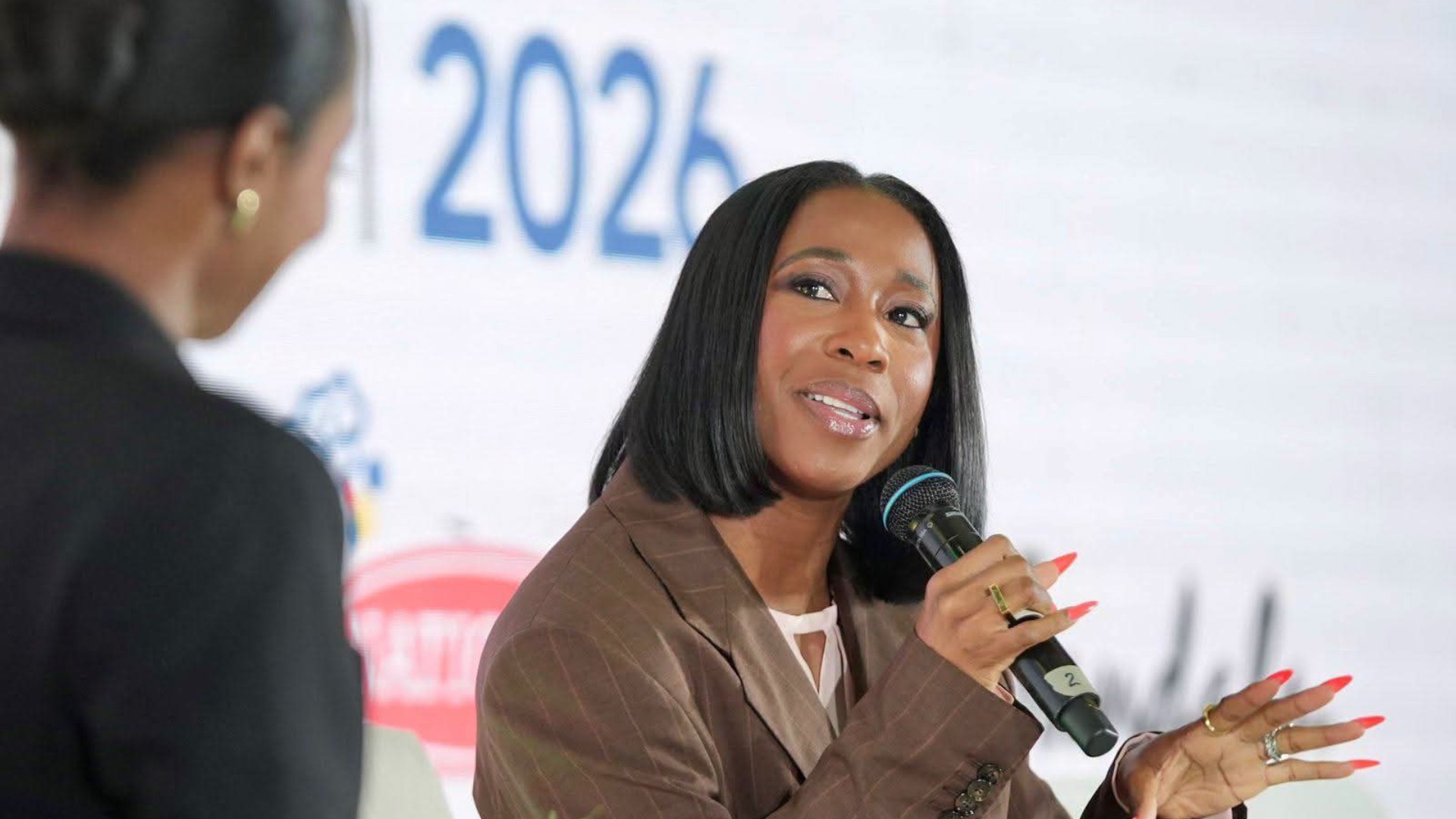
Shelly-Ann Fraser-Pryce Is Right: Jamaica Must Do Better by Its Athletes
Jamaicans.com
The News—June 26, 2026
PBC Jamaica (Video)Watch
JAMAICA NOW: Deal to deport TCN from US to JA | Calls to sack Wheatley | 2 J'can farm workers killed
Jamaica Gleaner (Video)Watch
CVM Lead Story: June 26, 2026 | @CVMTVNews
CVM TV News (Video)Watch
CVM Lead Story: June 25, 2026 | @CVMTVNews
CVM TV News (Video)Watch