Injectable contraceptive supply restored at Corporate Area public clinics
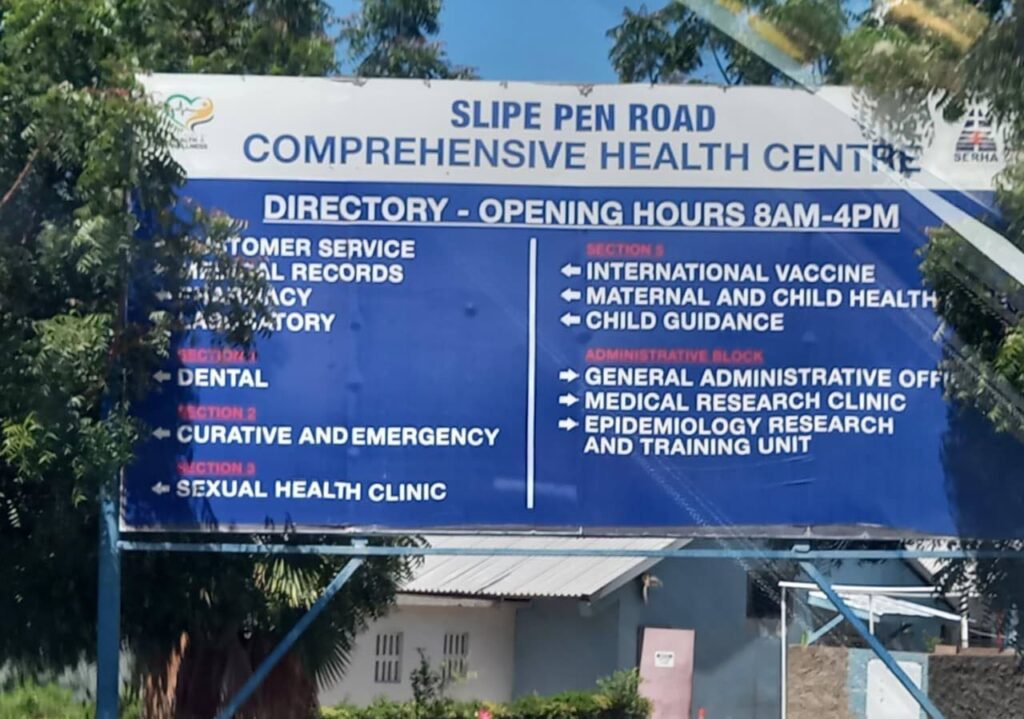
Frauen, die in den öffentlichen Gesundheitszentren des Corporate Area injizierbare Verhütungsmittel benötigen, werden nach einem kürzlichen Lieferengpass, der einige dazu gezwungen hatte, die Methode privat zu bezahlen oder auf orale Pillen umzusteigen, wieder versorgt.
Als der Jamaica Observer am Freitag das Maxfield Park Health Centre und das Slipe Pen Road Comprehensive Health Centre in Kingston besuchte, bestätigte das Personal, dass die Injektion wieder regulär verabreicht werde.
Eine Patientin in der Einrichtung an der Slipe Pen Road, die anonym bleiben wollte, berichtete, sie sei bei einem früheren Besuch abgewiesen worden, habe aber am Freitag ihre Spritze erhalten. "I came before and they didn't have it, and I came back today and got it. It's the first time this is happening to me. Normally, I come and get the injection, and it's fine. They asked me if I wanted to buy it or take the pill. I decided to take the pill but it made me feel bad, so I stopped taking it," sagte sie dem Observer.
Sie fügte hinzu, dass Frauen, die sich während des Engpasses für den Kauf der Methode entschieden hätten, Rezepte ausgestellt bekommen hätten, die in privaten Apotheken zu einem Preis von 4.100 J$ einzulösen waren.
Dieselbe Frau, Mutter eines zehn Monate alten Babys, äußerte Frust über den allgemeinen Zustand der Mütterunterstützung. "They said it wasn't in the country at the moment. They said they didn't have any in stock, but I feel like they are trying to cut it out. Christopher Tufton say the birth rate is low, so he wants people to have more children, but when people have children they are not getting good care in hospitals or proper food. I just had a baby; my baby is 10 months old. The food they give you as a new mother doesn't make sense. It can't fill you, and yet they want you to have more children," sagte sie.
Eine weitere Mutter in derselben Klinik schilderte eine ähnliche Erfahrung im Vormonat, als ihr keine andere Wahl blieb, als die Pille zu nehmen. "Last month when I came, they were saying it hadn't arrived as yet, so we had to wait for a period of time. There were options to purchase it or take the pill. Some persons purchased it; I took the pill because I didn't have any money to buy it," sagte sie und merkte an, dass die Tabletten ihren Appetit gesteigert hätten.
Eine Krankenschwester des öffentlichen Gesundheitsdienstes in der Einrichtung führte die Lücke auf Bestellverzögerungen im März zurück. "For the past two weeks, patients have been receiving their method," sagte die Krankenschwester.
Im Maxfield Park Health Centre sagte Teresa McKenzie, die die Klinik mit ihrer Schwester besuchte, Geld sei der Hauptgrund, warum viele Frauen für die Verhütung auf den öffentlichen Dienst angewiesen seien. "It's mostly financial reasons for me because right now I am not working, and being at home, it's really hard on my partner to provide everything. Having children, when they are very young it's difficult to find food and, eventually, to afford school. Taking care of children is more manageable this way," sagte sie.
Dr. Julia Rowe-Porter, Leiterin der Family Health Unit (FHU) im Ministry of Health and Wellness, sagte, der National Health Fund (NHF) habe keinen Lieferengpass im zentralen Lager bestätigt, obwohl Änderungen in der Bestellverwaltung dazu geführt hätten, dass einzelne Kliniken nicht ausreichend versorgt seien.
"I liaised with the regions last week. While the National Health Fund has indicated that there are no stock-outs at central storage, there have been order management changes that cause stock-outs at the facility level. The FHU is in dialogue with the NHF and regional health authorities to rectify this matter," sagte sie.
Syndicated from Jamaica Observer · originally published .
Legal context · powered by Jurifi
Get the legal angle on this story. Pick a prompt and Jurifi's AI will explain it using Jamaican law.
AI replies are based on Jamaican law via Jurifi. Not legal advice.