
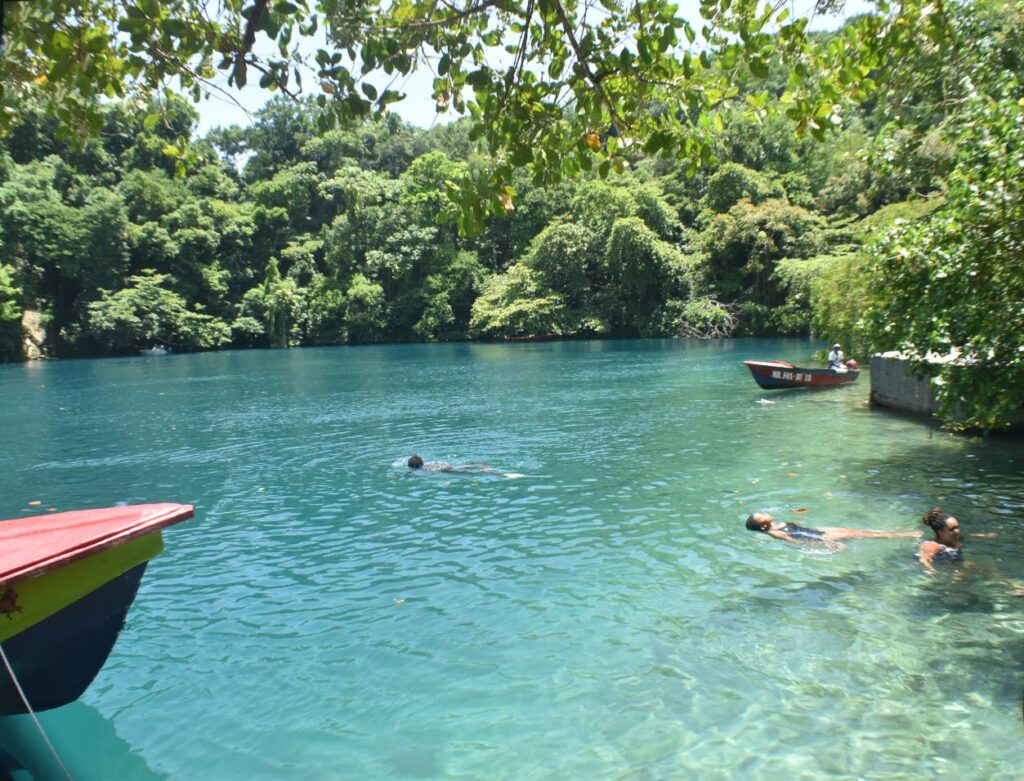
A long-running claim that Jamaicans are denied access to Blue Lagoon in Portland has been crushed by publication of a recently created video posted on social media showing locals enjoying the world-famous attraction.
It’s not immediately clear who shot the video, but the accompanying narration suggests that it is the work of an individual sympathetic to arguments raised by beach access advocates.
In the video, which is believed to have been created late last month, the narrator states that he went to the attraction to “check out the access” and “met with a Maroon leader who’s been dealing with beach access in the Portland area”.
“I came here today because I was told that there is no access to Blue Lagoon, and as you can see there is full access,” the man says while walking the property and showing Jamaicans, some in swimwear.
He notes that there is a problem with parking on the road leading to the attraction, saying “There is a level of control that doesn’t add up [as] there’s basically no formalised use of the area.”
Jamaica Observer checks have not been able to confirm any charges being imposed for access to the lagoon, and that any such could be the work of touts operating without legal authority.
The beguiling Blue Lagoon, representing natural Jamaican beauty at its best in lush Portland, has long inspired writers, film-makers and guests from across the globe.
“… As one of the island’s most iconic natural attractions and renowned for its strikingly clear blue waters, the lagoon offers a serene and picturesque setting that captivates both locals and visitors alike — whether they’re seeking a refreshing swim, a scenic boat ride, or simply a tranquil spot to relax, promising an unforgettable experience,” says Pathculture.
“The Blue Lagoon is not just another tourist spot. The lagoon’s water is a mesmerising blend of fresh mountain water and Caribbean seawater, creating an otherworldly aquatic paradise. The water’s depth ranges from 180 to 215 feet, and its colour changes throughout the day, ranging from deep sapphire to turquoise. This combination of fresh and saltwater gives the lagoon a unique temperature, making it both refreshing and inviting,” the website reads.
The issue of access to the Blue Lagoon has long been a subject of controversy. In November 2023, for example, the Observer reported that a court case on the matter was set to continue on January 29, 2024 after getting underway in the Portland Resident Magistrate’s Court.
The lawsuit was brought by Jamaica Beach Birthright Environmental Movement (JaBBEM) and Portland Environmental Action (PEA).
At the time, PEA spokesman Wilbourn Carr told the newspaper that the group’s “main focus was to have the Blue Hole road reopened because that’s the public entrance to the Blue Lagoon that is a national monument”.
He said that PEA was aware that Jamaica National Heritage Trust (JNHT), which manages the attraction, had signed a three-year agreement for accommodation which consists of access to Blue Lagoon by walking across private land.
Stating that the group wanted to know what would happen at the end of the three years, Carr said: “If the Blue Hole road is reopened there will be no variation to public access, regardless of what happens. That is why we went to court; that is our main focus.”
The matter is still in court, but in March 2025 the JNHT was forced to issue a news release dismissing claims on social media that the public will need to pay to access Blue Lagoon.
The JNHT release followed reports that Blue Lagoon and surrounding lands would be sold to a private entity and access restricted to people who can afford to pay to use the facility.
Describing the claims as inaccurate and misleading, the JNHT maintained that Blue Lagoon is available to the public free of charge. It pointed out that there had been renovations at the facility, including rehabilitation of restrooms, landscaping, and installation of signs and storyboards. The trust also noted that some vending, including craft vending, is allowed on the shore.
“Space for parking is limited. This challenge has contributed to some visitors using privately owned properties such as the nearby Tropical Lagoon Resort Limited to park at a minimal fee. The JNHT does not provide security at the Blue Lagoon,” the trust said in its release.
It also underscored that the land surrounding the entire Blue Lagoon has been privately owned for more than 50 years.
The trust added that it has been regulating the space, protecting the national monument, and facilitating direct access by land and sea.
On March 6 this year, Culture, Gender, Entertainment and Sport Minister Olivia Grange told Parliament’s Standing Finance Committee that the Government had proposed an allocation of approximately $20 million to repair the dock at Blue Lagoon.
Grange said the proposed works form part of a broader rehabilitation programme for the popular attraction, the scope of which has already been completed.
“We have the proposal, we have the design, and we will, as soon as the funds are identified, do the repairs,” she said.
The Blue Lagoon in all its beguiling glory.
The minister noted that lifeguards are currently stationed at the lagoon; however, managing the area has proven challenging as the lands surrounding the attraction are privately owned.
Grange explained that previous unregulated activities in the area necessitated intervention and oversight by the JNHT in order to restore order and safeguard the site.
She also addressed concerns regarding the barrier along the access route, explaining that it was introduced to manage traffic flow rather than restrict entry.
“The barrier that’s there still provides access to the Blue Lagoon,” Grange said, noting that the measure was necessary to prevent vehicles from entering an area where there is no adequate parking.
She indicated that the Government is planning a more comprehensive development arrangement which would establish a designated parking area from which visitors could be transported to the lagoon by shuttle.
At the same time, Grange emphasised that motorised water sports will not be promoted in the lagoon, citing environmental concerns as well as the sensitivity surrounding privately owned lands bordering the attraction.
“We will have to find a balance between the people having access and the people enjoying and earning from the Blue Lagoon,” Grange said.
In the recently posted video, the narrator pointed to the bathroom facilities, stating that they were non-existent many years ago.
“Those of us who are watchdogs to Government behaviour should be more responsible in the things said. Misinformation doesn’t serve your credibility well, because in the future when credible concerns exist we may not be taken seriously — and this goes for Government as well,” the narrator states.
Reiterating that there is public access to the attraction, he continues: “Sometimes we do a disservice when we say things that are not true… Sometimes people will say the wrong things and it’s almost like crying wolf.
When things are very serious we don’t take it seriously because a lot of misinformation goes out to the public. I just came here a while ago and there is access, but it’s more organised. We need to stop this misinformation campaign. While I agree there is not access to a lot of different places, let us keep it real, let’s be honest.”
Syndicated from Jamaica Observer · originally published .
Legal context · powered by Jurifi
Get the legal angle on this story. Pick a prompt and Jurifi's AI will explain it using Jamaican law.
AI replies are based on Jamaican law via Jurifi. Not legal advice.
Other coverage
Back to the Foreshore: Gov't Seeks to Provide Clarity on Beach Access | TVJ News
Television Jamaica (Video)Watch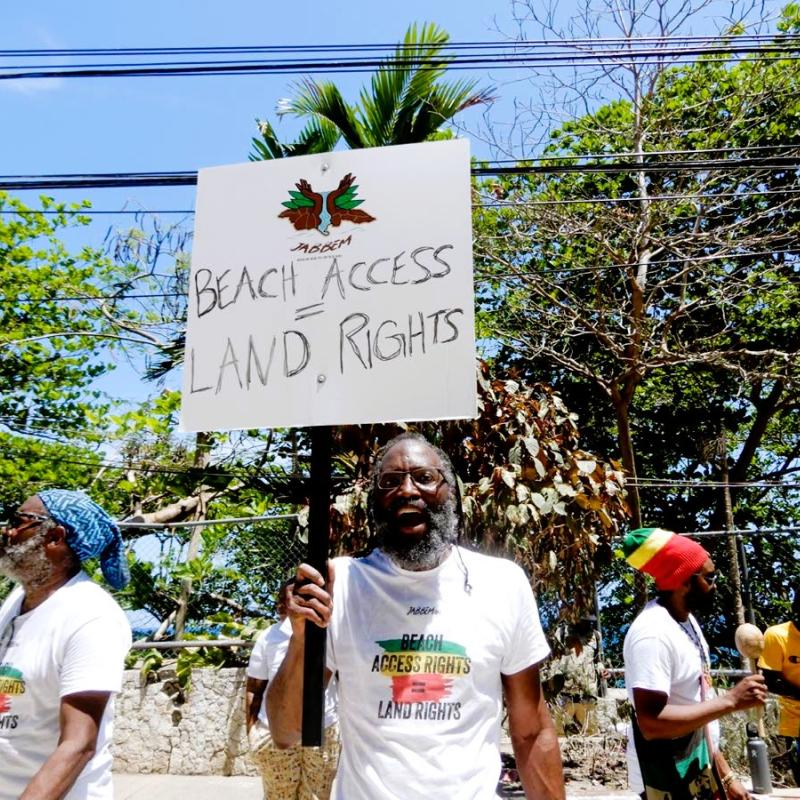
Theresa Rodriguez-Moodie and Diana McCaulay | Reclaiming Jamaica’s coastline
Jamaica Gleaner
REPAIR RAGE - Protest erupts over stalled reconstruction at Westmoreland high school
Jamaica Gleaner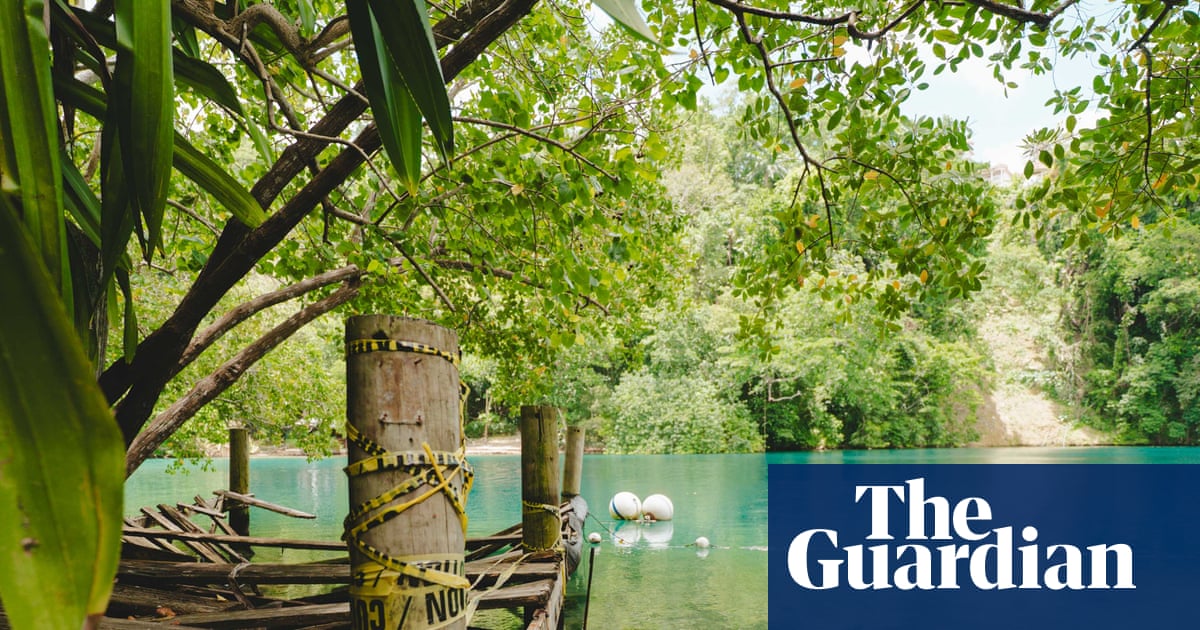
Jamaica’s beach access crisis: ‘We shouldn’t be forced to fight for what is already ours’
The Guardian (Jamaica)
Eagles Track Club set for September relaunch
Jamaica Star