

Gabrielle Williams | Growing What We Eat: Can Vision 2030 reduce Jamaica’s dependence on Food Imports?

Jamaica’s ability to feed itself and cut billions in food import is at risk, as farmers struggle with declining demand and limited resources while policymakers warn that without urgent action under Vision 2030 Jamaica, the country’s goal of reducing import dependence may not be achieved.
The answer is complex as it is shaped by decades of policy, climate shocks and shifting consumer habits. While efforts under Vision 2030 Jamaica aims to strengthen the agriculture sector and reduce the island’s reliance on imported food, the country imported about US $1.3 billion worth of food and beverages in 2024, with the US accounting for 40% of these imports. That puts a tremendous strain on the economy and leaves the nation vulnerable to shocks from the global supply chain, a vulnerability that the National Food and Nutrition Security Policy of Vision 2030 specifically aim to address. According to the policy, food security is a situation in which everyone has physical and financial access to enough safe, nourishing food at all times, independent of imports.
Jamaica’s goal of reducing food imports under Vision 2030 Jamaica may be difficult to achieve without stronger policies and increased support for local farmers, according to Acting Production and Marketing Manager at Rural Agricultural Development Authority (RADA), Dwight Forrester. Forrester warned that the country’s current level of import dependence remains high and requires urgent, coordinated action.

He explained that one key solution is strengthening the link between local farmers and manufacturers. By encouraging manufacturers to source raw materials directly from farmers through contractual agreements, producers would better understand market demands ahead of each planting season. This, he said, could significantly reduce the reliance on imported goods. Forrester also emphasized the importance of identifying heavily imported crops and substituting them with locally grown alternatives to lower the national import bill.
“We have to focus on replacing imported crops with those produced locally to reduce importation,” Forrester said. However, he noted that farmers face several constraints, including limited access to irrigation and the impact of adverse weather conditions such as storms and hurricanes, which complicate efforts to increase production. He added that Jamaica still relies heavily on imports for key food items, particularly during the off-season, including onions, Irish potatoes, and red peas.
Forrester highlighted RADA’s Production Incentive Programme (PIP) as one initiative aimed at supporting farmers. “The programme provides a 15 per cent subsidy and helps farmers identify viable markets for their crops, including onions, Irish potatoes, and yams,” Forrester added. He emphasized that such initiatives are critical to boosting local production and reducing dependency on imports.
Natural catastrophes highlight the vulnerability of Jamaica’s food system even further. Important agricultural areas were devastated by Hurricane Melissa in late 2025, which destroyed animals and crops that were used by exporters and local markets. Long regarded as the agricultural backbone of Jamaica, St. Elizabeth parish suffered widespread damage of potatoes, cassava, pumpkins, and yams.
Meanwhile, farmers on the ground say persistent challenges continue to hinder their ability to expand production. Olando Granston, a St. Elizabeth farmer who has been farming for 18 years, said low demand for local produce has led to falling prices and financial losses. He currently cultivates crops such as cucumber, pumpkin, escallion, sugar cane, cho-cho, and tomatoes, but noted that declining demand has forced him to scale back production.

“At the end of the day, it comes back to the number of imported goods in Jamaica,” Granston said. “I believe Jamaica can stand on its own and reduce its dependence on imports—we can feed ourselves.” He added that increased government support, including access to farming materials, equipment, and land for leasing, would allow farmers to expand production and compete more effectively in the market.
Similar concerns were raised by Sharon Peart, a farmer in Manchester Parish with over 20 years of experience. Peart said that despite her years in agriculture, she has struggled to see meaningful returns due to declining demand and rising competition from imported goods.
“I work on leased land, and my production has decreased because the country imports so many crops,” Peart said. “Even when I try to switch to crops in higher demand, the same cycle continues.” She also pointed to the rising cost of farming inputs, including seeds and fertilizers, which have made it increasingly difficult to sustain her operations.
Peart agreed that Jamaica has the capacity to become more self-sufficient but stressed that greater government intervention is needed. She said increased support for farmers and policies that prioritise local produce would help reduce the country’s reliance on imports while creating a more sustainable agricultural sector.
Jamaica is not the only one. A 25 by 2030 program, which aims to boost intraregional agricultural production and cut the region’s food import cost by 25%, was signed by leaders around the Caribbean. However, there has been inconsistent improvement. While a 25% decrease in imports would greatly increase production, some regional analysts point out that achieving that goal has proven challenging, especially in light of recent weather events and policy changes, such as the removal of taxes on some imported foods, which some claim could hurt local producers.
In agricultural marketplaces like St. James and Mandeville, the consequences are evident. Local mainstays like yams and plantains are subject to drastic weather fluctuations, according to farmers, but imported goods like wheat and rice are always present on stores.
The objective of becoming a self-sufficient, food-secure country is still a struggle as Jamaica approaches 2030. In addition to increasing output, reducing reliance on imports also entails bolstering markets, assisting small farmers, and enhancing resilience to global disruptions and climate change.
For the time being, farmers like Granston and Peart are dealing with the realities of a system in transition, with the hope that innovation, legislation, and teamwork will enable Jamaica to genuinely grow its food.
Syndicated from Our Today · originally published .
Legal context · powered by Jurifi
Get the legal angle on this story. Pick a prompt and Jurifi's AI will explain it using Jamaican law.
AI replies are based on Jamaican law via Jurifi. Not legal advice.
Other coverage

“$5 Imported For Every $1 We Export” – Dr. Dayton Campbell
Jamaica PNP (Video)Watch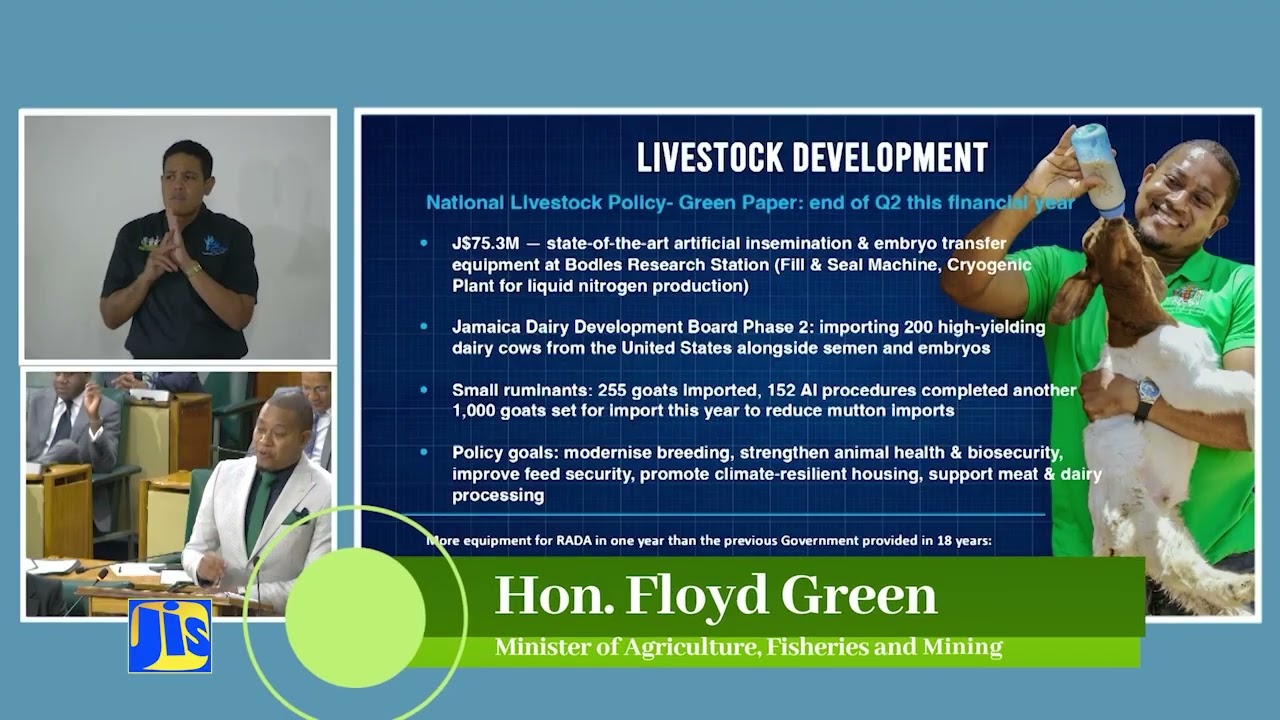
Jamaica's Drive towards Food Security
Jamaica Information Service (Video)Watch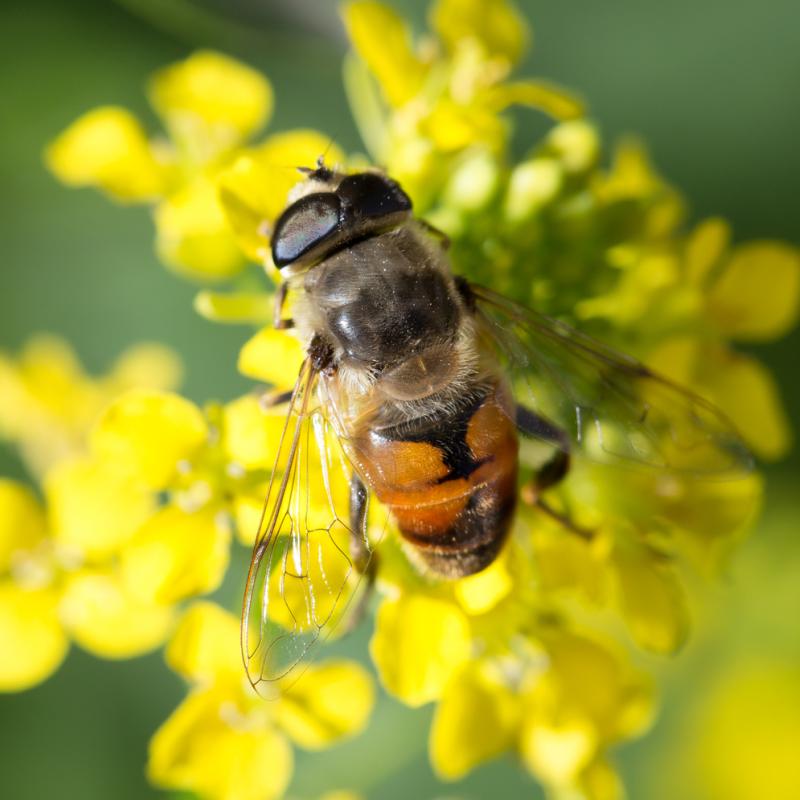
Editorial | Conservation of bees
Jamaica Gleaner
How badly is Europe affected by fertiliser shortages due to the Iran war?
Jamaica Inquirer
Coffee industry needs urgent recovery support after billions in losses, says Dr Grant
Jamaica Observer