

Uruguay’s energy architect urges Jamaica to accelerate renewable energy transition
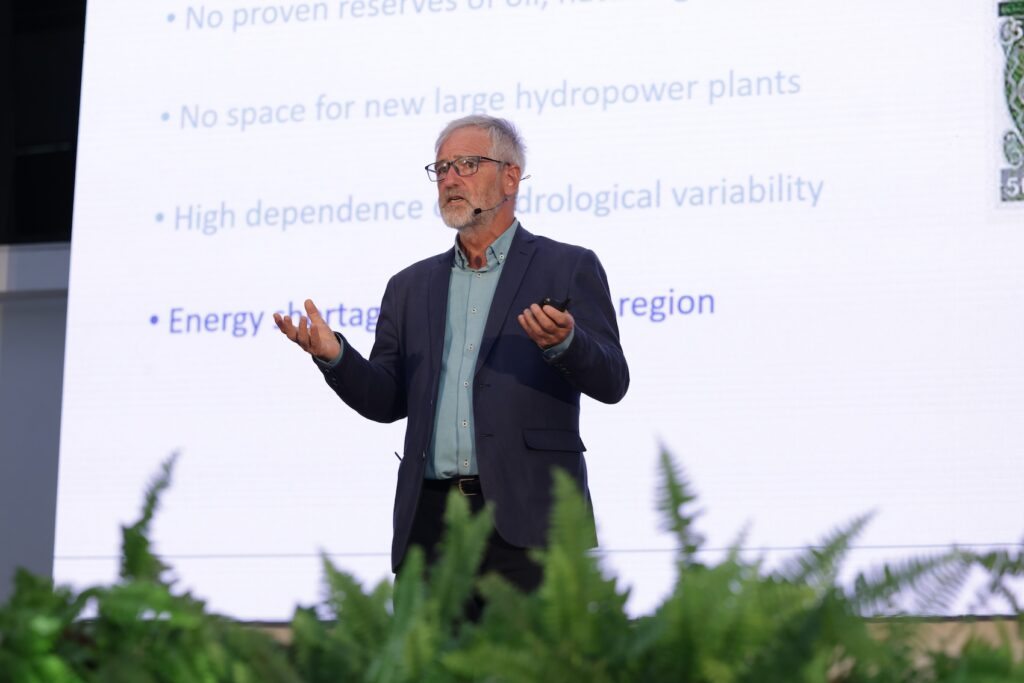
Internationally acclaimed renewable energy expert Dr. Ramón Méndez Galain challenged Jamaica to pursue a bold and coordinated transition toward renewable energy during the sixth staging of the annual Maurice Facey Lecture. He argued that the country possesses both the natural resources and strategic opportunity to dramatically reduce energy costs, strengthen energy security, and improve resilience to future shocks.
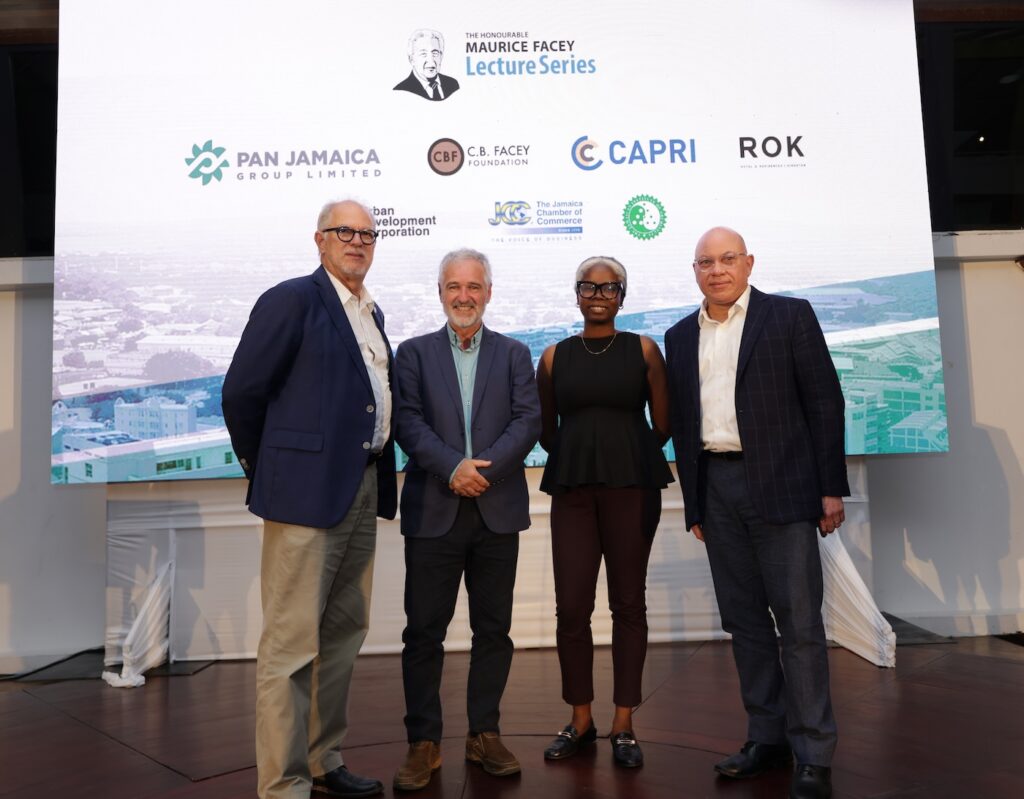
Hosted by the Pan Jamaica Group and the C.B. Facey Foundation under the theme “Breaking the Grid: Charting Jamaica’s Path to Renewable Energy,” the lecture was held at the Jamaica Conference Centre before an audience of policymakers, private sector leaders, academics, development professionals, and students.
Dr. Méndez Galain, who led Uruguay’s historic transformation from heavy dependence on fossil fuels to a power system that now generates more than 95 per cent of its electricity from renewable sources, shared lessons from the country’s energy revolution and outlined how similar principles could be applied in Jamaica.
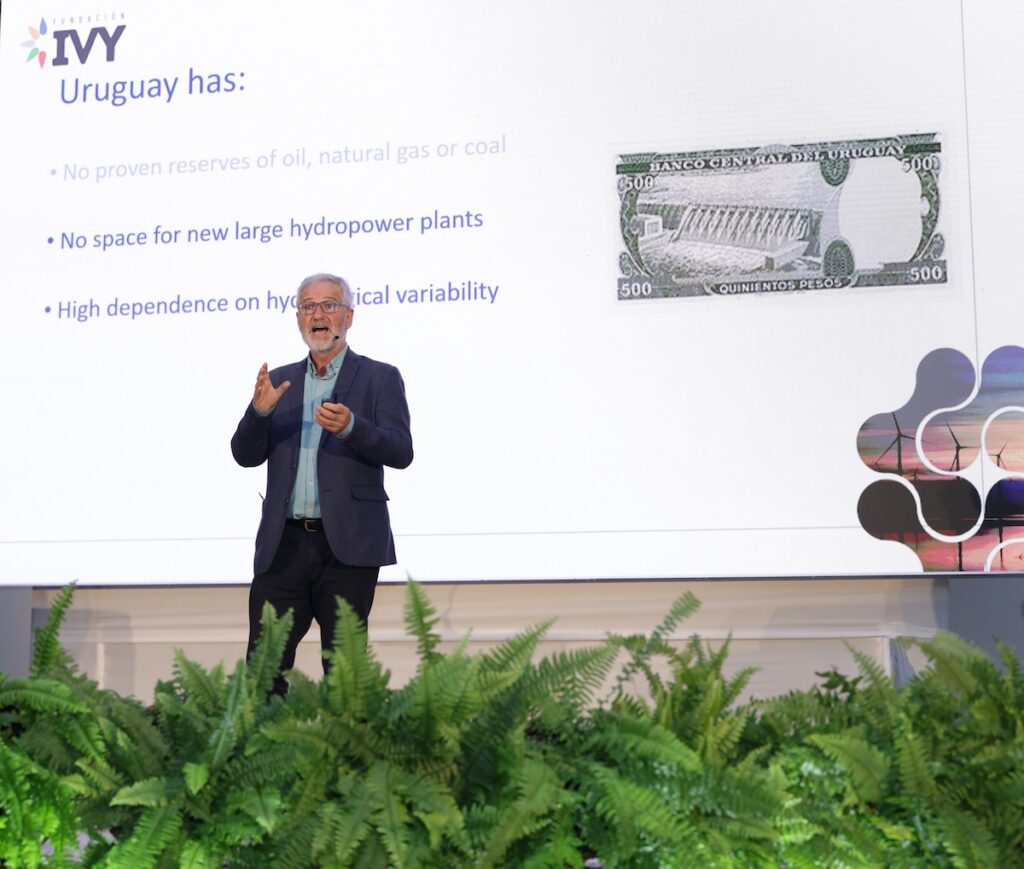
Drawing on Uruguay’s example, Dr. Méndez Galain explained how the South American nation transformed its energy sector in just five years, creating nearly 50,000 jobs, attracting billions of dollars in investment, improving energy security, and ultimately becoming an exporter of electricity to neighbouring countries.
He argued that renewable energy should no longer be viewed as a trade-off between economic growth and climate action. “In Uruguay, we proved that energy transition is possible. We proved that renewables are not a contradiction between climate and economy; they are a combination of the two.”
According to Dr. Méndez Galain, Uruguay’s success was not driven solely by its renewable resources, but by what economist Mariana Mazzucato describes as a “mission-oriented” approach to public policy – one built around clear national objectives and coordinated action across government, regulators, investors and industry. He explained that Uruguay’s transformation was anchored by three key pillars: a long-term political agreement that transcended administrations, the creation of an innovative legal, regulatory and institutional ecosystem, and adaptive governance structures capable of continuously refining strategy while maintaining clear national goals.
Turning his attention to Jamaica, he noted that the country is well-positioned to accelerate its renewable energy transition due to its abundant solar and wind resources, favourable global trends in renewable energy technology, and what he described as a rare policy opportunity created by the upcoming expiry of the Jamaica Public Service (JPS) licence. Dr. Méndez Galain argued that the moment provides Jamaica not only with an opportunity to reassess contractual arrangements within the electricity sector, but also to undertake a broader review of the institutional, regulatory and planning framework that will shape the country’s energy future for decades to come.
He stressed, however, that realising this potential will require significant institutional strengthening and policy reform. “When you have a privately owned integrated utility, you need a very powerful policy and regulatory body and a very powerful planning body with modern tools and sufficient technical capacity,” he said. “What many are doing today is asking renewable technologies to compete with the rules of a system designed for fossil fuels. We have to stop asking renewables to play the game with rules that were not made for them.”
Among his recommendations were revisiting Jamaica’s regulatory framework, contractual arrangements, market design, system planning and operational structures to provide greater clarity, reduce investor uncertainty, and secure the lowest-cost energy outcomes for consumers. He stressed that strengthening the technical capacity of Jamaica’s planning and regulatory institutions would be essential to effectively guide future investment and energy sector reform.
During a question-and-answer session following the lecture, Dr. Méndez Galain highlighted the growing importance of renewable energy in strengthening infrastructure resilience against hurricanes and other climate-related disruptions. While acknowledging that resilient renewable systems may require higher upfront investment, he argued that the long-term benefits far outweigh the costs.
He further cautioned against making major policy decisions without access to complete and transparent information, stressing that governments must possess the technical capacity and data necessary to make informed decisions about the future of their energy systems.
In his remarks, Stephen Facey, Chairman of the Pan Jamaica Group and the C.B. Facey Foundation, emphasised the importance of the discussion at a pivotal moment for the country’s energy sector. “Jamaica stands at an important crossroads in its energy journey, and the decisions we make as a country in the months ahead will shape our future for decades to come,” Facey said. “If we are serious about improving productivity, attracting investment, creating jobs and raising living standards, then reducing the cost of energy must be a national priority.”
Now in its sixth year, the Maurice Facey Lecture Series continues to honour the legacy of the late Hon. Maurice Facey, OJ, JP, founder of Pan Jamaica Group, by bringing globally respected thought leaders to Jamaica to stimulate discussion around issues critical to national development.
Syndicated from Our Today · originally published .
Legal context · powered by Jurifi
Get the legal angle on this story. Pick a prompt and Jurifi's AI will explain it using Jamaican law.
AI replies are based on Jamaican law via Jurifi. Not legal advice.
Other coverage
PM assures steps underway to reform energy sector and cut costs
Jamaica Inquirer
Nuclear energy within a decade: Holness says renegotiated JPS licence alone won't fix Jamaica's energy crisis
Jamaica Gleaner
JISTV | PM Keynote Address at Sutherland Jamaica Solar Energy Inauguration
Jamaica Information Service (Video)Watch
PM Keynote Address at Sutherland Jamaica Solar Energy Inauguration
PBC Jamaica (Video)Watch
PM Holness describes Jamaica’s energy costs as prohibitive saying energy is a big challenge which must be tackled
Jamaica Inquirer