
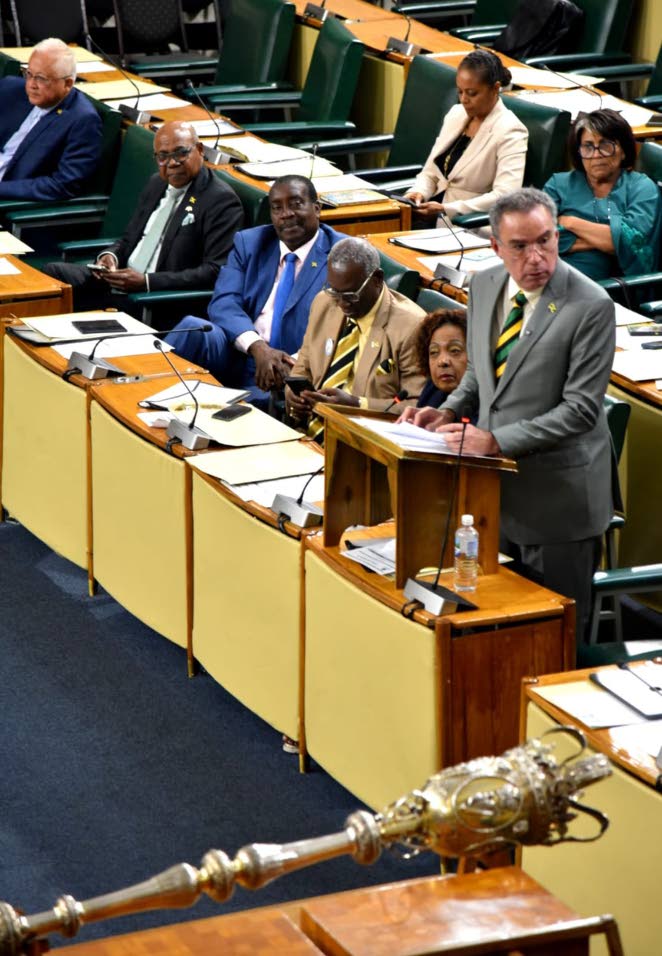
エネルギー大臣ダリル・Vaz氏は、国営のPetrojamを国のエネルギー未来に備える準備を先延ばしにできないと述べ、精製所を近代化する大規模な投資ラウンドを発表した。
火曜日、衆議院での2026/27年度部門別討論の演説で、Vaz氏はPetrojamが重要インフラ整備に概ね1500万米ドル(約24億ドル)を投入すると述べた。
同氏は、計画が電気システムの改修、貯蔵能力の拡大、新たなパイプライン工事、安定性と長期的な生産量向上のための炉の本格的な修復を対象にすると述べた。
Vaz氏はまた、新設のアスファルト貯蔵タンク、Montego Bayのバース2でのパイプライン設置、2基の重要炉の交換・修復など具体的な作業を挙げた。
「加えて、予定されている90日間の精製所ターンプラウンドにより、効率改善、計画外停止の削減、燃料品質の向上を図る主要な改修が行われる。同時に、独立した技術評価が進行中で、長期的な改修選択肢を検討し、地域の精製能力が低下するなか精製所の競争力を維持する」とVaz氏は述べた。
大臣は、Petrojamがジャマイカを超えた戦略的重要性を持つと主張し、現時点で地域で稼働している唯一の石油精製所であり、カリブ海全体にとって重要だと指摘した。
「その地理的位置と精製能力は、エネルギー安全保障を強化し地域的影響力を拡大する独自の機会をもたらす」と同氏は述べた。
過去3年間の損失を背景に、Vaz氏は議会でPetrojamの2026/27会計年度の見通しとして売上1210万バレル、うち国内供給用720万バレル、輸出用490万バレルを予測していると述べた。
「この二つの役割により、安定した国内供給を確保しつつ、貴重な外貨収入を生み出す」と同氏は述べた。
Vaz氏はまた、Petrojamが燃料値上げの$4.50上限を吸収し続けることはできないと警告し、価格への主要な圧力要因として中東戦争の継続を挙げた。
同氏は2026年3月12日から4月8日までの期間、輸送用燃料コストがリットル当たり約$49.20程度上昇したが、政府の上限のため消費者にはそのうち$18分しか反映されなかったと述べた。
「残りのコストはPetrojamが吸収し、家計や事業者への打撃を和らげた。これは、この政府がエネルギー危機の最中にジャマイカ国民のために提供してきた、約US$860万($13億〜14億相当)の保護の緩衝策である。
「野党党首[Mark Golding]が立ち上がり、ガソリンが水より安いと国民に言うとき、消費者に転嫁されていないコストが63%あることを思い出してほしい」とVaz氏は述べた。
同氏は、緩衝策は役立ったものの維持は費用がかかり、現状のまま続けば2026年6月までに費用は$118億に達すると予測されると述べた。
「その結果、政府は世界市場の変化をより正確に反映し価格変動を管理するため、改訂された段階的価格制度を導入する」と同氏は衆議院に述べた。
先を見据え、Vaz氏は政府が提携、多角化、公私連携の可能性を通じてPetrojamからより多くの価値を得る方法を検討していると述べた。
同氏は、この取り組みにはLNG(液化天然ガス)などのよりクリーンな燃料経路の評価、運用への再生可能エネルギーの導入拡大、気候・持続可能性目標との計画の結び付けが含まれると述べた。
「要するにPetrojamは単なる精製所ではなく、エネルギー安全保障、経済的レジリエンス、ジャマイカの長期的発展を支えるため、賢明に活用しなければならない戦略的国益である」とVaz氏は述べた。
国営Petrojam精製所の入口はCorporate Areaにある。
記事提供: Jamaica Observer · 初出 .
法的視点 · Jurifi 提供
この記事の法的視点を見てみましょう。質問を選ぶと、Jurifi の AI がジャマイカ法に基づいて解説します。
AI の回答は Jurifi を通じたジャマイカ法に基づいています。 法的助言ではありません。
関連報道

Energy Minister causiously optimistic about Jamaica's oil prospects
Radio Jamaica News OnlineTrade partnership with Brazil deepens
Jamaica Gleaner
Mayberry loss widens to $2.2 billion in first quarter
Jamaica GleanerGrowth and Jobs | Boosting pensions could unlock billions for Jamaica’s economy
Jamaica Gleaner
NWC proposes meeting with St James community over water supply problems
Jamaica Gleaner