

US and Cuba intensify negotiations as its economic and social crisis deepens
Durrant Pate/Contributor
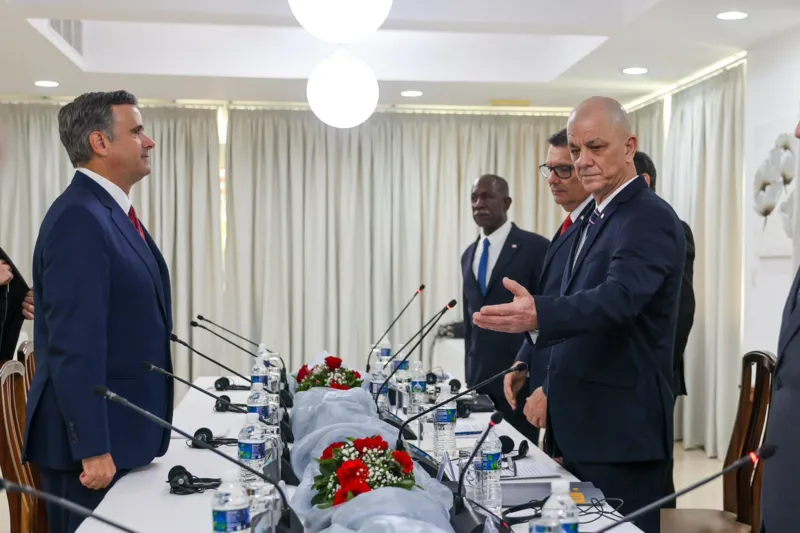
Talks at bridging the gap between America and Cuba moved one step closer yesterday with the convening of an unusual meeting between negotiators from Washington and Havana.
The meeting in the Cuban capital took place between the American delegation led by CIA Director John Ratcliffe and the Cuban Interior Minister, Lázaro Álvarez Casas and his team, which also includes the head of Cuba’s intelligence services. This represents a major milestone in two months of opaque negotiations.
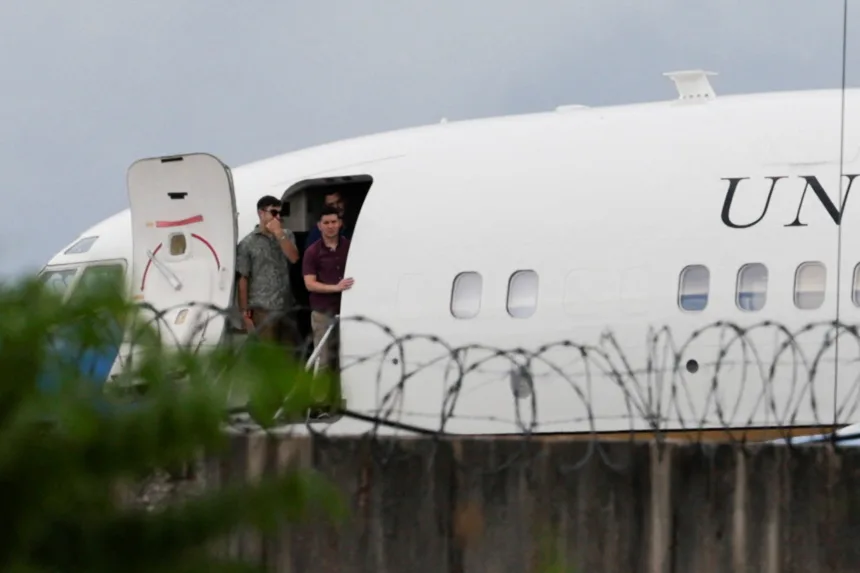
The Boeing C-40B Clipper, carrying the American delegation, landed in Havana on Wednesday, which is the first time a US government aircraft had touched down in Cuba – other than at the US base in Guantanamo Bay – since 2016, when former President Barack Obama visited amid an effort to expand relations with Havana.
In a solemn-looking meeting room in Havana, both sides announced their commitment to “seriously address economic and security issues,” which comes at a moment of maximum weakness for the Castro regime, suffocated like never before by the energy embargo imposed since the end of January by American President Donald Trump.
Acceptance of American aid
As a prelude to the meeting, the State Department released a statement offering the Communist led Caribbean island US$100 million in aid, which the Castro regime accepted yesterday, in exchange for “significant reforms to Cuba’s communist system.”
Against this backdrop of gifts and penalties, the U.S. media reports Washington plans to prosecute former Cuban President Raúl Castro on charges related to the 1996 downing of a plane belonging to a Cuban exile humanitarian organisation in Miami. The messages from the Castro regime have also been ambivalent.
They range from a collaborative attitude and willingness to sit down at the table, to the usual mantras of the “any external aggressor will encounter an impregnable resistance.” However, reactions to Thursday’s meeting have been lukewarm.
The Communist Party of Cuba framed it as “part of the efforts to confront the current situation.” Meanwhile, the Ministry of the Interior, which heads the vast espionage and repression apparatus, spoke of a “developing bilateral cooperation,” in addition to emphasising its “unequivocal condemnation of terrorism in all its forms and manifestations.”
America targeting Cuba
Since Trump targeted Cuba, right after the surgical strike on Caracas to take Venezuelan President Nicolás Maduro by helicopter to a New York jail, there have been a series of often contradictory signals about the island’s future. While imposing a severe energy embargo, the U.S. president also sent signals of openness toward a possible diplomatic path.
In March, the U.S. allowed through a Russian tanker with 100,000 tons of crude oil, which only temporarily alleviated another critical shortage, yet at the same time, Trump issued statements about “taking Cuba.” Each new blow and threat has been followed by a truce of sorts, following the Republican leader’s classic playbook of aggressive negotiation.
This week, both Secretary of State Marco Rubio and President Trump issued conciliatory messages. Shortly before that, they had further tightened sanctions, imposing penalties on any non-U.S. person or entity that maintains commercial relations with the island, especially in the energy, defense, security, and finance sectors.
Havana said its officials stressed in the meeting that Cuba “does not constitute a threat to the national security of the US” and that there are no “legitimate reasons” to include it on the US’s list of State Sponsors of Terrorism, as it has been under the Trump administration.
They also insisted the country does not harbour, support or fund terrorists – something the US has long accused it of doing – and denied hosting foreign military or intelligence bases.
Syndicated from Our Today · originally published .
Legal context · powered by Jurifi
Get the legal angle on this story. Pick a prompt and Jurifi's AI will explain it using Jamaican law.
AI replies are based on Jamaican law via Jurifi. Not legal advice.
Other coverage
Cuba says it has ‘legitimate’ right to defend itself amid US threats
Jamaica Inquirer
Trump imposes more sanctions on Cuban officials
Caribbean Life
US indicts former Cuban President Raúl Castro over 1996 downing of planes
Jamaica Gleaner
Humanitarian ship arrives with aid from Mexico, Uruguay
Jamaica Gleaner
Cuba Warns of ‘Bloodbath’ as US Imposes New Sanctions | News at 7 PM | @CVMTVNews
CVM TV News (Video)Watch