
Jalil Dabdoub | Diplomatic deception: Selective framing and challenge of honest dialogue
The recent Gleaner commentary by Raslan Abu Rukun presents a tired Israeli narrative: Israel as a willing partner for peace, Lebanon as a state held hostage by Hezbollah, and Iran as the destabilising force. It is a convenient framing but deeply deceptive and incomplete.
If April 14 is to be remembered as a historic moment in the Middle East, it must be understood not through one-side’s fallacious claims of virtue but through a fuller accounting of the realities that have shaped this conflict.
The assertion that Israel “has no conflict with the Lebanese people” does not withstand scrutiny. Beginning in 1978, Israel has repeatedly engaged in military actions on Lebanese territory, most notably during the 2006 Lebanon War, which resulted in over a 1,000 Lebanese deaths, widespread destruction of civilian infrastructure, and the displacement of nearly a million people. Civilian areas, including bridges, power plants, and residential neighbourhoods were heavily targeted. For well-thinking human beings, this is not the behaviour of one at peace with their neighbours. Since the 2006 war, Lebanon has been subjected to near daily airstrikes and cross-border incursions.
Hezbollah emerged in the early 1980s as a direct result of the 1982 Israeli invasion of Lebanon and the subsequent brutal occupation. It has since evolved into both a resistance group and a political actor within Lebanon. The group continues to exist because of Israeli occupation of Lebanon.
BRUTAL TREATMENT
The formation of the Israeli entity and its continued brutal treatment of Palestinians, whom they colonised, and its neighbours has been the major driver of regional instability since 1948. Israel currently occupies Palestine, Lebanon, and Syria. The occupations continue to shape political dynamics today. It is the hindrance to peace.
International law recognises the right of self-determination and resistance to occupation. At the same time, it also places clear limits on the use of force, including prohibitions against targeting civilians. These legal and moral tensions remain central to debates about non-state armed groups in the region.
Abu Rukun, in a most bold-faced manner, stated that “on October 8, 2023, just one day after the horrors of October 7, Hezbollah chose to escalate. Acting under directives from Tehran, it launched attacks against Israel”. This is factually incorrect. Hezbollah did not attack Israel. Hezbollah launched rockets at Israeli military outposts in the occupied Shebba Farms, which is not Israel. To isolate one incident while ignoring the underlying conditions is to misrepresent the nature of the conflict.
Abu Rukun proceeds to invoke United Nations Security Council Resolution 1701 as evidence of Hezbollah’s violations while portraying Israel as compliant. He purposely misleads.
Israel has repeatedly violated UN Resolution 1701 (among many others) by invading Lebanese airspace on a near-daily basis, conducting surveillance flights, air strikes, military incursions, and military overflights that directly contravene that same resolution. These actions undermine Lebanese sovereignty and perpetuate tensions.
BOLD-FACE ATTEMPT
The framing of Hezbollah solely as an “Iranian proxy” is nothing more than another bold-faced attempt to deflect the reality that Hezbollah is a direct result of Israeli occupation and aggression. Hezbollah is a significant political actor with parliamentary representation and social support, particularly among marginalised communities. Reducing it to an external puppet erases the internal dynamics of Lebanese society and oversimplifies why such groups persist. They persist due to occupation by the Israeli entity.
Equally absent from the propaganda spewed is the broader regional context, particularly Israel’s ongoing policies towards Palestinians. The continued expansion of settlements in the occupied West Bank and Gaza strip, the blockade of Gaza, and constant large-scale military operations have drawn widespread international criticism. These policies shape perceptions across the world, including Lebanon, making normalisation far more complex than his article suggests.
The suggestion that peace depends primarily on the disarmament of Hezbollah and the removal of Iranian influence places the burden almost entirely on Lebanon. This overlooks the fact that durable peace requires reciprocal actions. Issues such as disputed border territories like the Shebaa Farms, ongoing military tensions, and the absence of a comprehensive regional settlement all remain unresolved.
It also fails to recognise the human rights of the Lebanese, Syrian, and Palestinian people. Under the UN charter, they have the right to bear arms against an occupying power, particularly one that is racist, brutal, and breaches every known human right and laws of war. Israel must recognise these basic legal principles. There can never be peace if both parties do not recognise each other’s rights.
Peace cannot be built on narratives that absolve one side of responsibility while assigning blame exclusively to the other. It requires acknowledging uncomfortable truths, that is, Israel’s military actions have caused instability.
The vision of Lebanese citizens walking in Tel Aviv and Israelis visiting Beirut is indeed compelling. But such a future will not be realised through selective storytelling. It will require accountability, mutual concessions, and a willingness to confront not obscure the full history of the conflict.
If April 14 is to mean anything, it should mark not just the beginning of dialogue but the beginning of an honest Israel. Abu Rukun has, on behalf of the entity he represents, again placed before the Jamaican people misleading and factually incorrect positions. It is time he stops. It is time he shows respect to the Jamaican people and stops taking us for idiots. Such actions are diplomatic deception and unbecoming of one who is an ambassador even if of a racist, apartheid regime.
It is long past time for Jamaica and CARICOM nations to seriously reconsider and ultimately sever diplomatic ties with Israel, and when its representatives engage in this kind of misleading narrative, it only strengthens the case for doing so rather than weakening it.
Jalil S. Dabdoub is an attorney-at-law. Send feedback to [email protected].
Syndicated from Jamaica Gleaner · originally published .
Legal context · powered by Jurifi
Get the legal angle on this story. Pick a prompt and Jurifi's AI will explain it using Jamaican law.
AI replies are based on Jamaican law via Jurifi. Not legal advice.
Other coverage
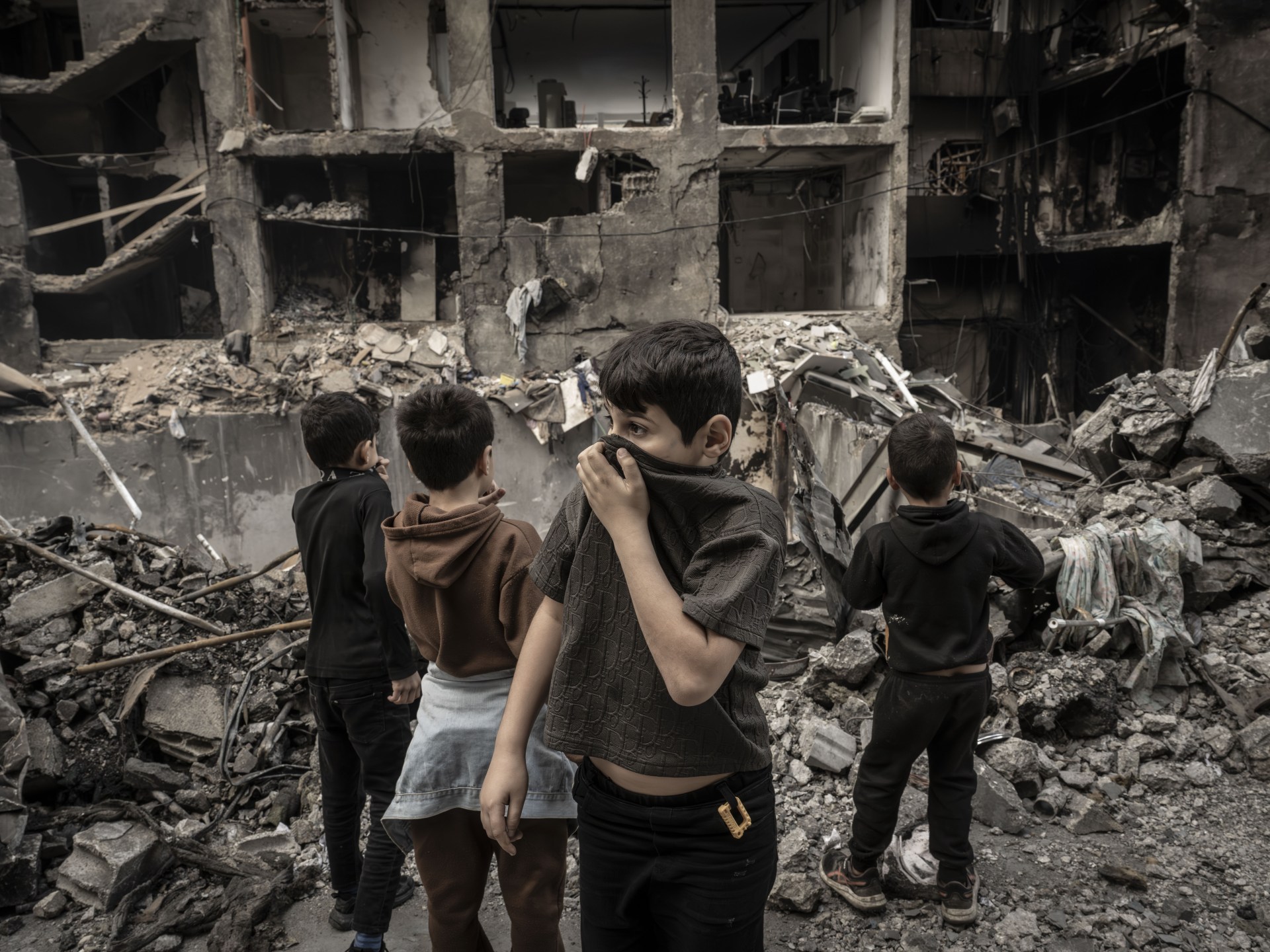
Israel kills, injures average of 4 children daily amid Lebanon ‘ceasefire’
Jamaica Inquirer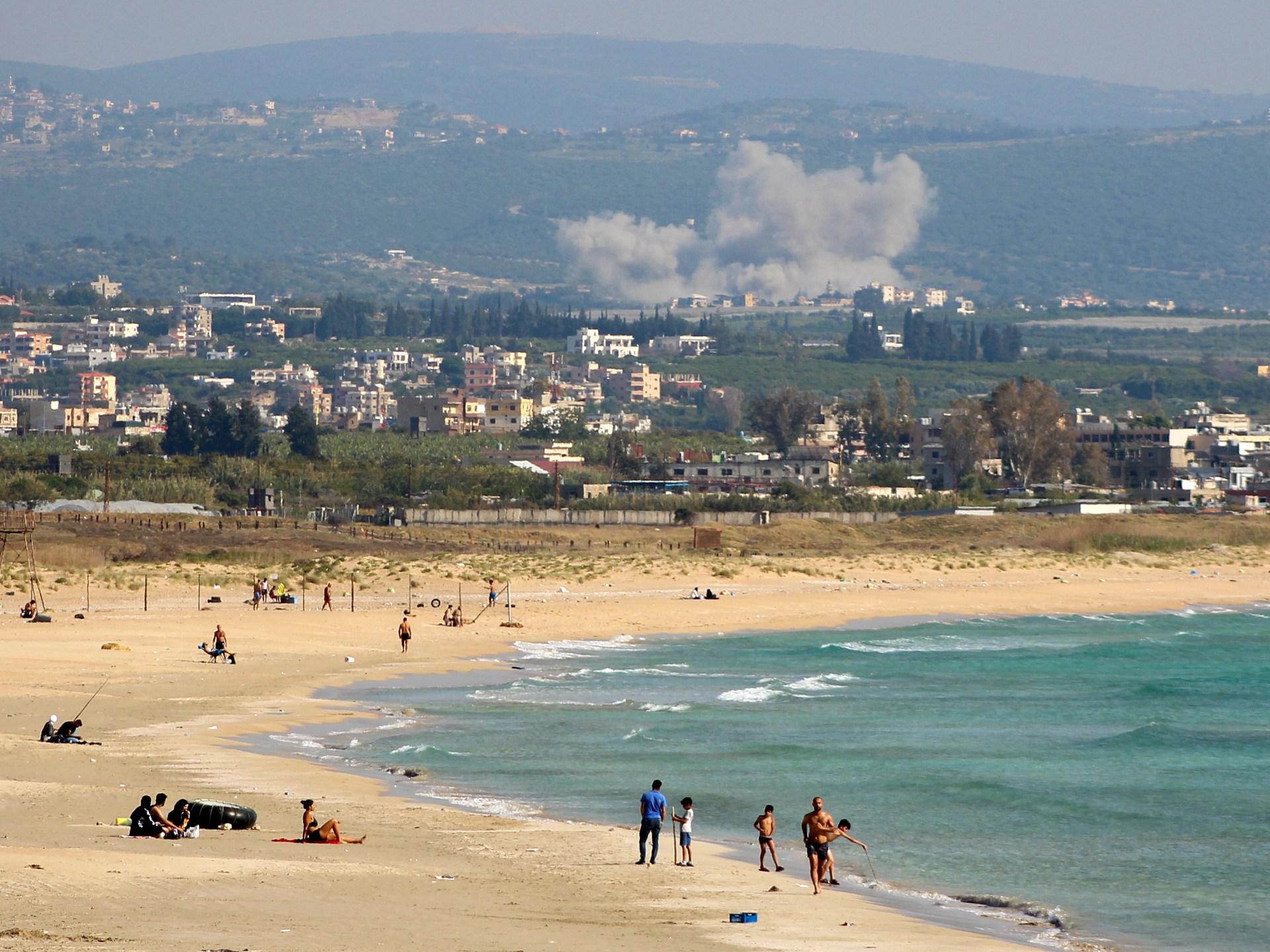
More than a dozen reported killed in Israeli attacks on south Lebanon
Jamaica Inquirer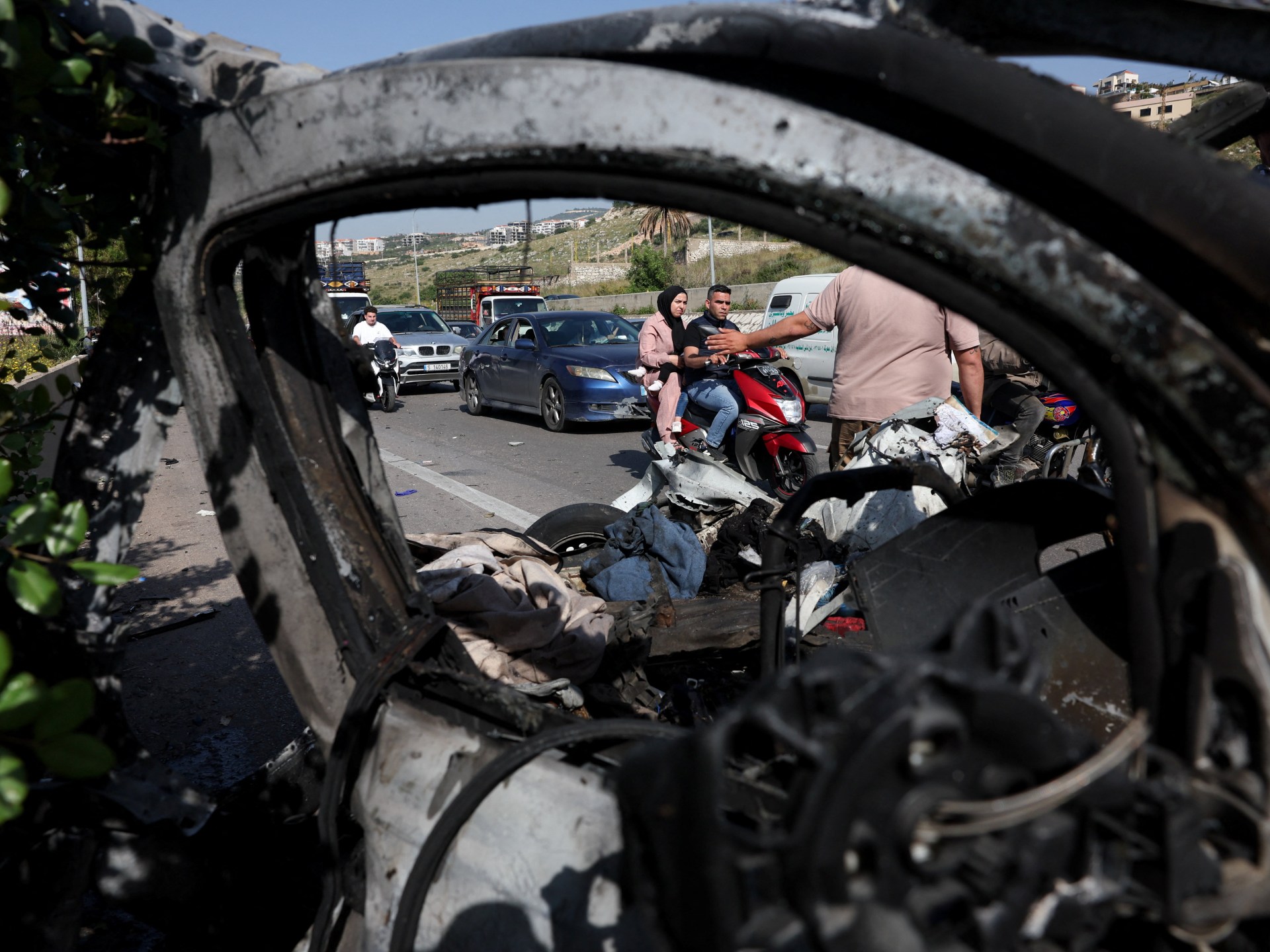
Israeli attacks across Lebanon kill at least 19
Jamaica Inquirer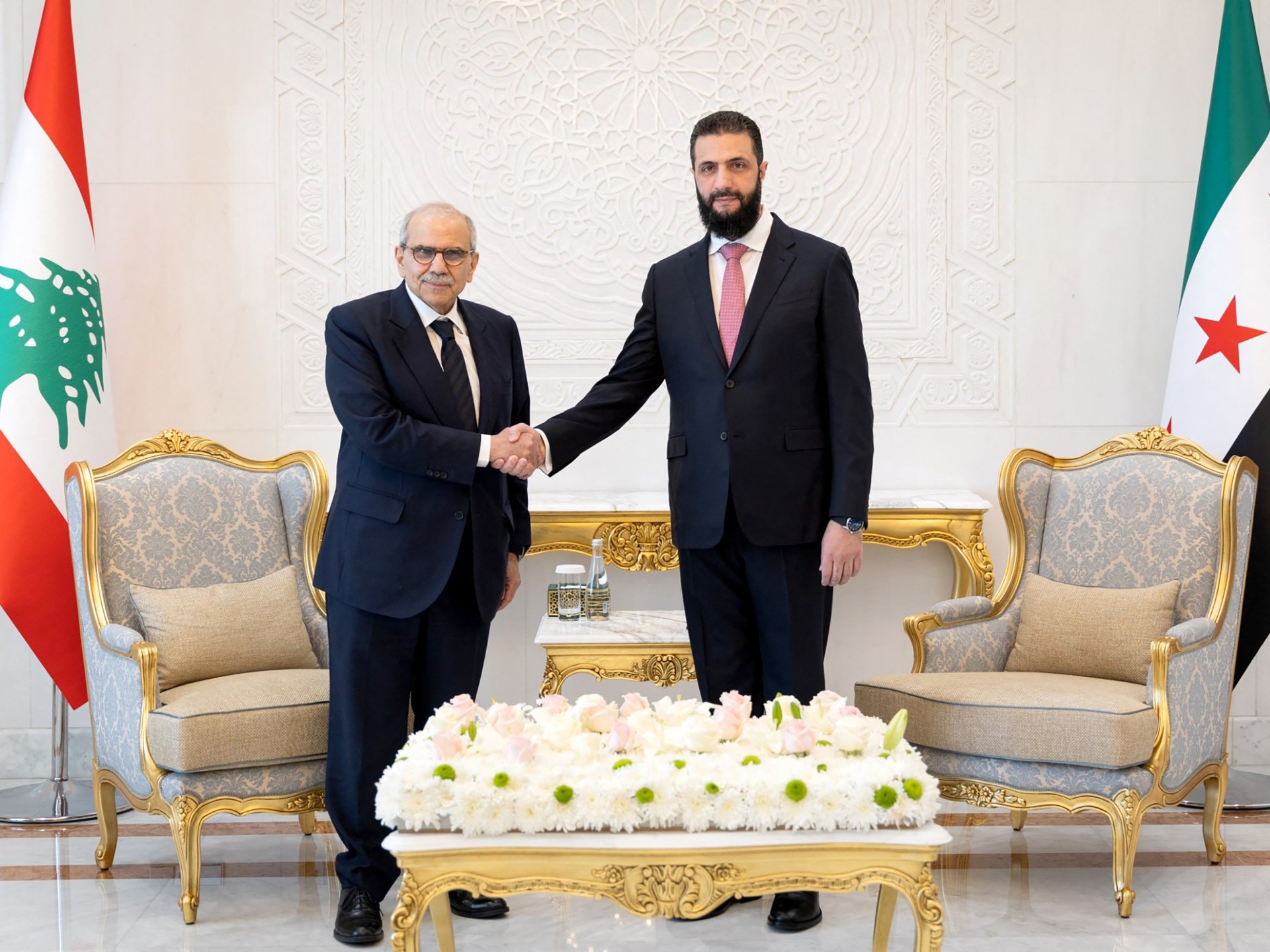
Syria and Lebanon make ‘significant progress’ at talks on joint interests
Jamaica Inquirer
Israeli strikes on southern Lebanon continue despite ‘ceasefire’ extension
Jamaica Inquirer