
PAAC Probes Jamaica Skills Shortage as Minimum Wage Rises to $17,000
Jamaica's national minimum wage has moved up from $16,000 to $17,000 for a 40-hour work week, but concern continues over whether the country is building a properly certified labour force. That issue was taken up on Wednesday afternoon during a sitting of Parliament's Public Administration and Appropriations Committee, PAAC.
For months, the country has been pointing to historically low unemployment. At a Jamaica Labour Party meeting last year, Prime Minister Dr Andrew Holness said Jamaica's jobless rate had fallen from about 13.5 per cent in 2015 to 3.7 per cent.
Even with that improvement, recent figures suggest a major weakness remains in the labour market. Of the nearly 1.5 million Jamaicans in the labour force, around 60 to 70 per cent do not hold formal certification or have not completed secondary school.
HEART/NSTA Trust, one of the main agencies responsible for certifying skilled workers in Jamaica, reported that it certified more than 55,000 people in the last financial year. Some parliamentarians, however, argued that those results do not match what employers have been telling them.
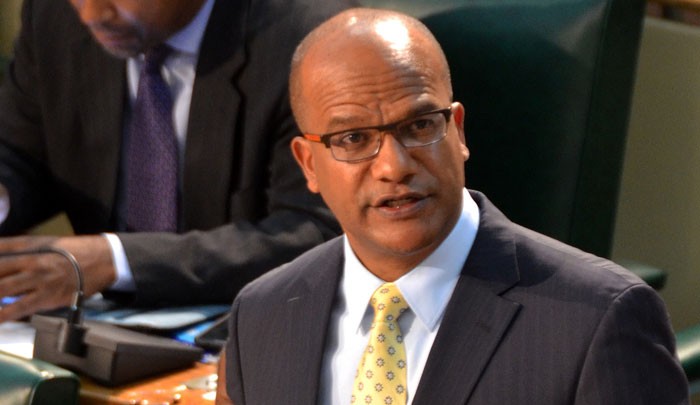
PAAC Chairman Peter Bunting said, "When we speak with the GHTA, when we speak with the Chamber of Commerce, the manufacturers association, they say that qualified workforce is a major constraint... I'm trying to reconcile the gap between the numbers you're giving us and what we're hearing from employers."
Dr Taneisha Ingleton, managing director of HEART/NSTA Trust, told the committee that several factors are shaping certification outcomes across the workforce. She said migration is one major factor, and noted that HEART-certified workers are able to find jobs overseas because the certification is portable and recognised beyond Jamaica. She also said some certified people take work outside the areas in which they were trained, depending on where jobs are available.
Ingleton said HEART will also deepen its engagement with members of parliament to reach more potential trainees in constituencies, while acknowledging that communication has been a significant problem for the institution. She said the agency plans an islandwide stakeholder consultation beginning through constituency offices, where many young people already go, so prospective students can be connected more quickly to the right HEART contacts and the process can be streamlined.
Syndicated from CVM TV · originally published .
Legal context · powered by Jurifi
Get the legal angle on this story. Pick a prompt and Jurifi's AI will explain it using Jamaican law.
AI replies are based on Jamaican law via Jurifi. Not legal advice.
Other coverage

World Cup boosts TV sales downtown
Jamaica Star
RAISE FALLS SHORT - Stakeholders say cost of living outrunning $1,000 hike as new minimum wage takes effect
Jamaica Gleaner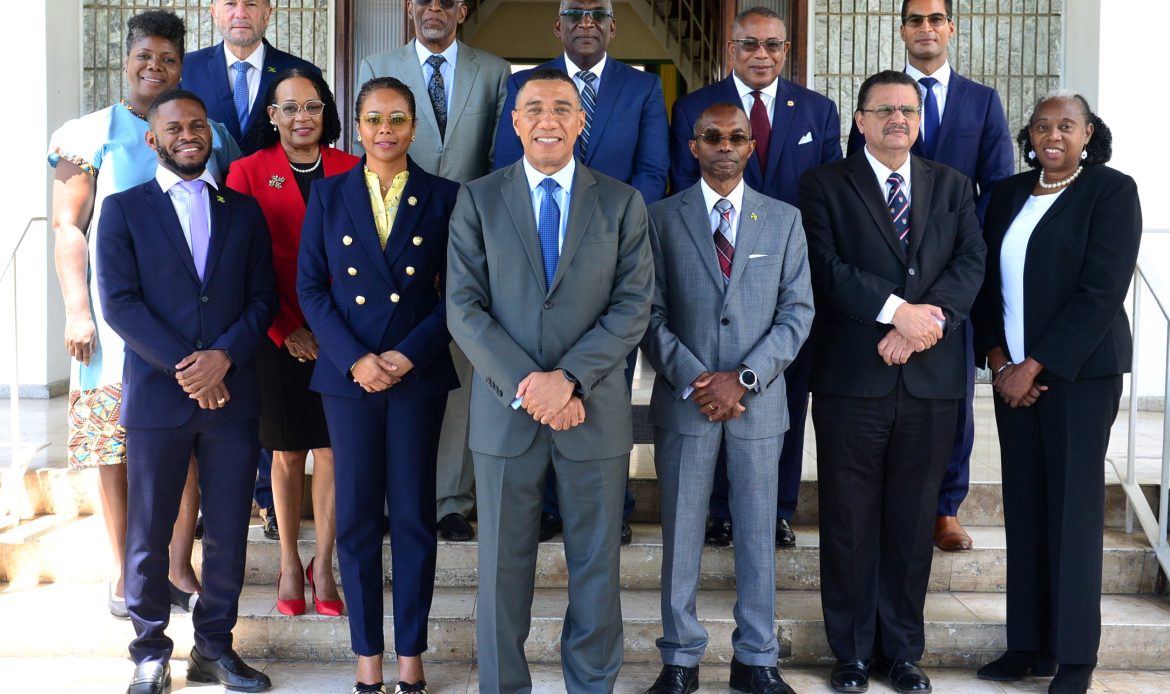
PM Announces Members of Constitutional Reform Committee
MLCA — Road to Republic
JMDA Praises MOH's Response to Interns' Concerns | Midday News
Television Jamaica (Video)Watch
Constitutional Reform Committee Meets with Jamaica Umbrella Group of Churches
MLCA — Road to Republic