
Jamaica prime minister outlines reform agenda at Guyana community gathering
At a community gathering linked to strengthened ties between Jamaica and Guyana, Jamaica’s prime minister praised President Irfaan Ali as a visionary leader who is structuring Guyana’s new wealth with long-term discipline, while outlining how Jamaica is pursuing its own economic transformation without relying on oil discovery.
The address, delivered to an audience that included medical students, doctors and members of the diaspora, opened with a comparison between resource-rich and resource-poor nations. The prime minister cited bauxite revenues dating back more than 50 years and noted that Jamaica continues offshore petroleum exploration, describing the offshore system as promising but stressing that national progress depends less on what is in the ground than on how leaders and citizens use what they have.
Efficiency, he argued, should become part of Jamaica’s cultural identity alongside global recognition of speed and creativity. Citing regional data, he said Jamaica ranks among the least productive countries in the Caribbean and called for a stronger work ethic that converts labour into output rather than treating work mainly as exploitation rooted in historical injustice.
On security, he said improved economic management allowed a tripling of the national security budget, expansion of the Jamaica Constabulary Force from just under 11,000 officers to its 14,000-member establishment, and wider use of intelligence, data and equipment including body-worn cameras and CCTV. The murder rate, he said, has fallen from 54 to 24 per 100,000, with steady progress against organised gang violence and a new peace portfolio aimed at social violence, conflict resolution and restorative justice.
In health and education, he said no major hospital had been built for roughly 30 years until recent capital programmes, including rebuilds or new wings at facilities such as Cornwall Regional, Kingston Public Hospital and Spanish Town Hospital, three hospitals under the National Health Fund, and seven new schools—one arts-focused and six STEM-oriented—with leadership models designed to deliver stronger results.
The session closed with recognition of Jamaican Ursuline Sister Marie Harper, founder more than 30 years ago of Guyana’s Marian Academy, for her contribution to education in Guyana.
Syndicated from PBC Jamaica (Video) · originally published .
Legal context · powered by Jurifi
Get the legal angle on this story. Pick a prompt and Jurifi's AI will explain it using Jamaican law.
AI replies are based on Jamaican law via Jurifi. Not legal advice.
Other coverage

Unfair! Hotiliers Sound Alarm on Insurance Companies | Business Day
Television Jamaica (Video)Watch
Wesrok praises God on new single
Jamaica Star
Opposition Spokesman on Housing Rejects ‘Squatting Culture’ Claims
CVM TV
St Mary Residents Voice Control Over Accomodation Plan | TVJ News
Television Jamaica (Video)Watch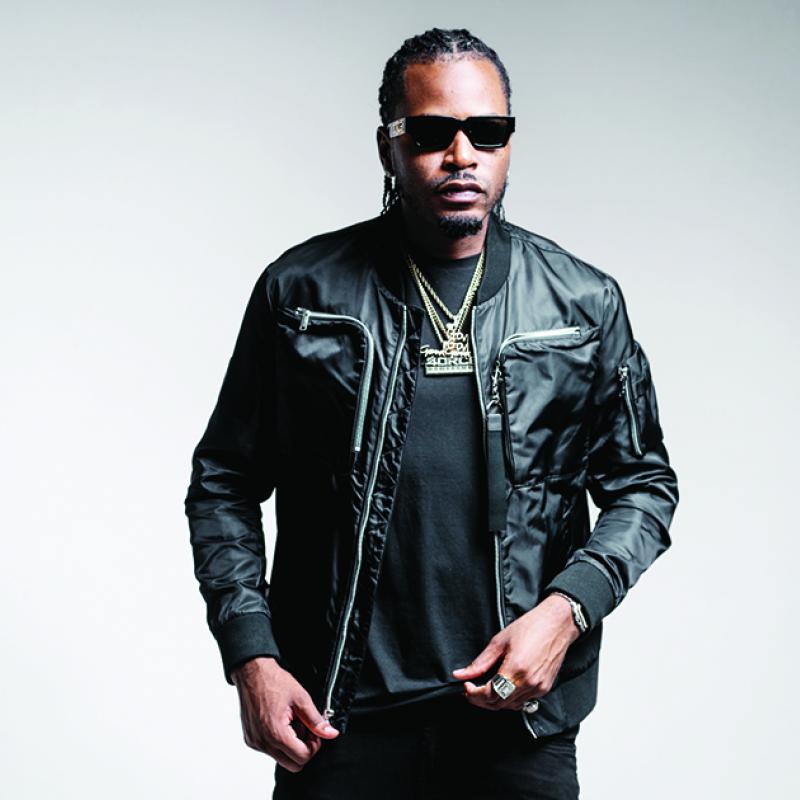
5 Questions With Govana
Jamaica Gleaner