
Jamaica's Hurricane Melissa School Recovery Draws Global Education Recognition
Jamaica's handling of classroom disruption after Hurricane Melissa has put the country on the map among overseas education officials, who are pointing to local recovery work as an example of how to keep schooling going after disaster.
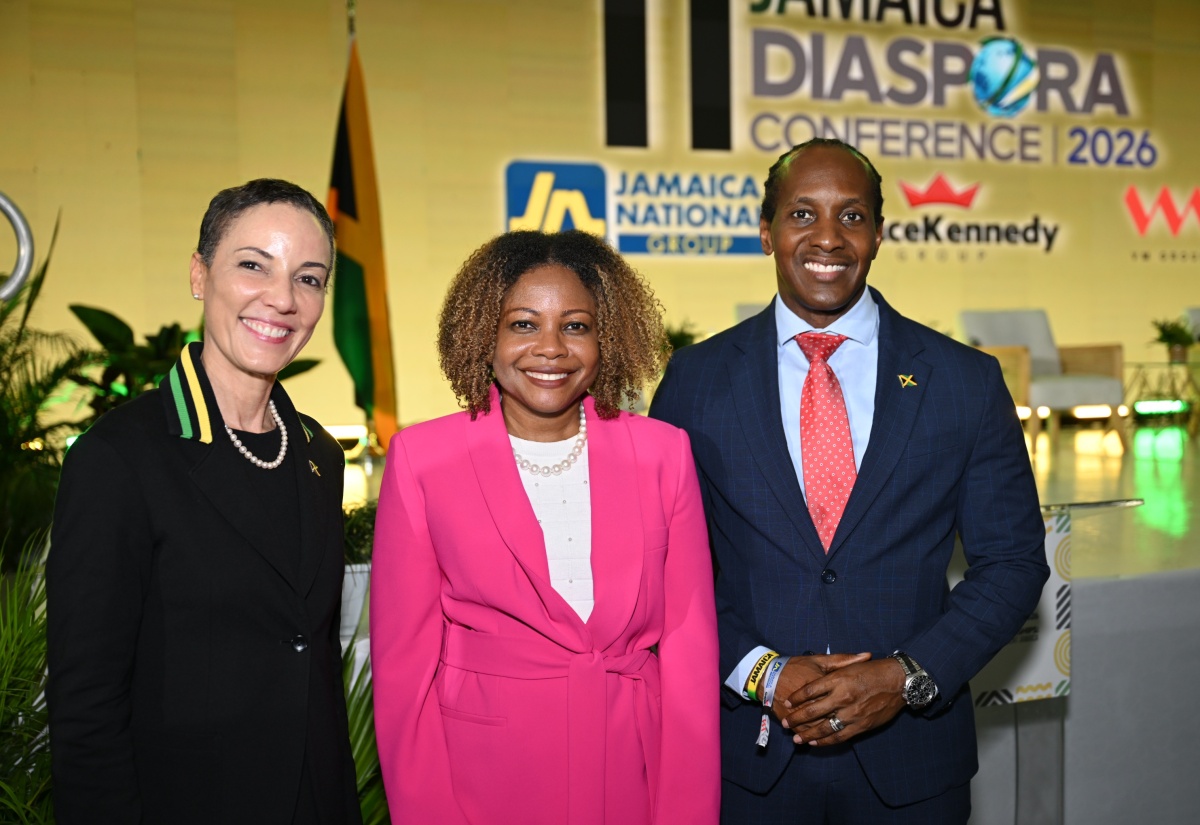
Senator Dr. the Hon. Dana Morris Dixon, Minister of Education, Skills, Youth and Information, told delegates that getting every school back in operation within 90 days of the storm ranks among the sector's standout results since the hurricane.
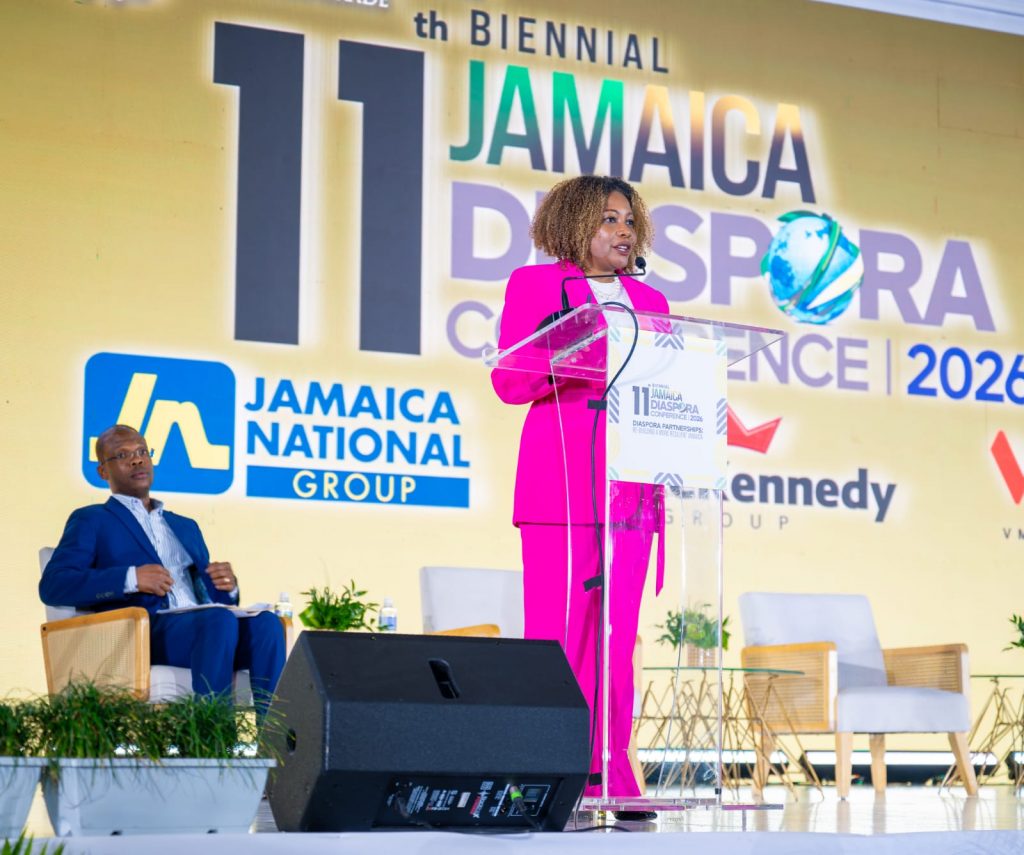
She was speaking on June 15 at the Montego Bay Convention Centre in St. James during a panel titled "Building a Resilient Education System in Partnership with the Diaspora," held as part of the 11th Biennial Jamaica Diaspora Conference.
Although hundreds of institutions were hit when the category-five hurricane swept through, the Minister said the administration placed urgency on bringing teaching and learning back online across the island.
According to Senator Morris Dixon, the pace and scope of that work have also drawn notice well beyond the Caribbean, including from delegates who attended the recent Education World Forum in the United Kingdom. She said several international bodies have followed Jamaica's progress closely.
"We're the poster child now of resilience in education. UNESCO (United Nations Educational, Scientific and Cultural Organization) is talking about us. UNICEF (United Nations Childrens Fund) is talking about us," she said.
The Minister accepted that the return was not seamless. Some schools resumed classes from temporary sites while permanent repairs were still underway.
"When you go into these areas, you're going to see schools happening under tents. You're going to see schools happening with tarpaulin, but school is happening," she noted.
Senator Morris Dixon stressed that reopening quickly helped guard against students drifting away from the system—something she linked to prolonged breaks during the COVID-19 pandemic.
"After COVID, when many students were at home, many of them never came back to school, especially our teenage boys," she said.
Keeping young people tied to schooling, she argued, matters for their academic progress as well as their social and emotional health. She also referenced local studies indicating that many children view school as the place where they feel safest.
Syndicated from Jamaica Information Service · originally published .
Legal context · powered by Jurifi
Get the legal angle on this story. Pick a prompt and Jurifi's AI will explain it using Jamaican law.
AI replies are based on Jamaican law via Jurifi. Not legal advice.
Other coverage
Diaspora urged to help provide resources to assist children with special needs
Jamaica Observer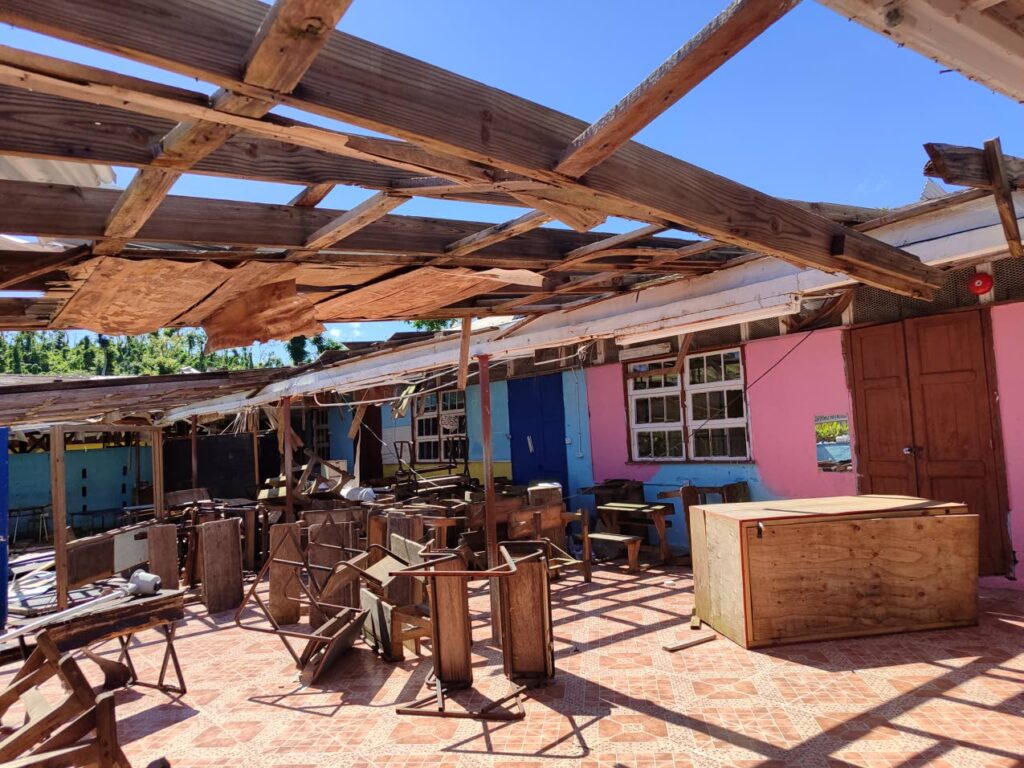
‘Response is not resilience’
Jamaica Observer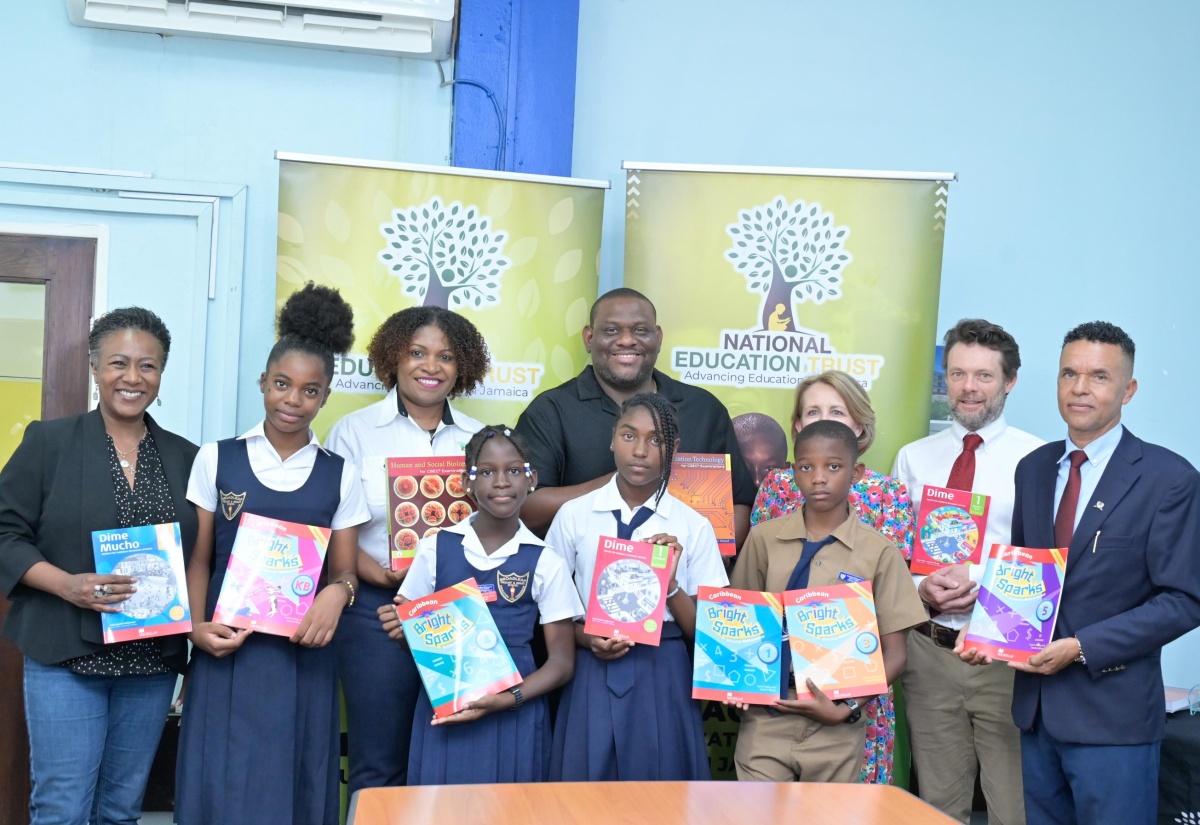
4,000 Textbooks Donated to Schools Affected by Hurricane Melissa
Ministry of Education and Youth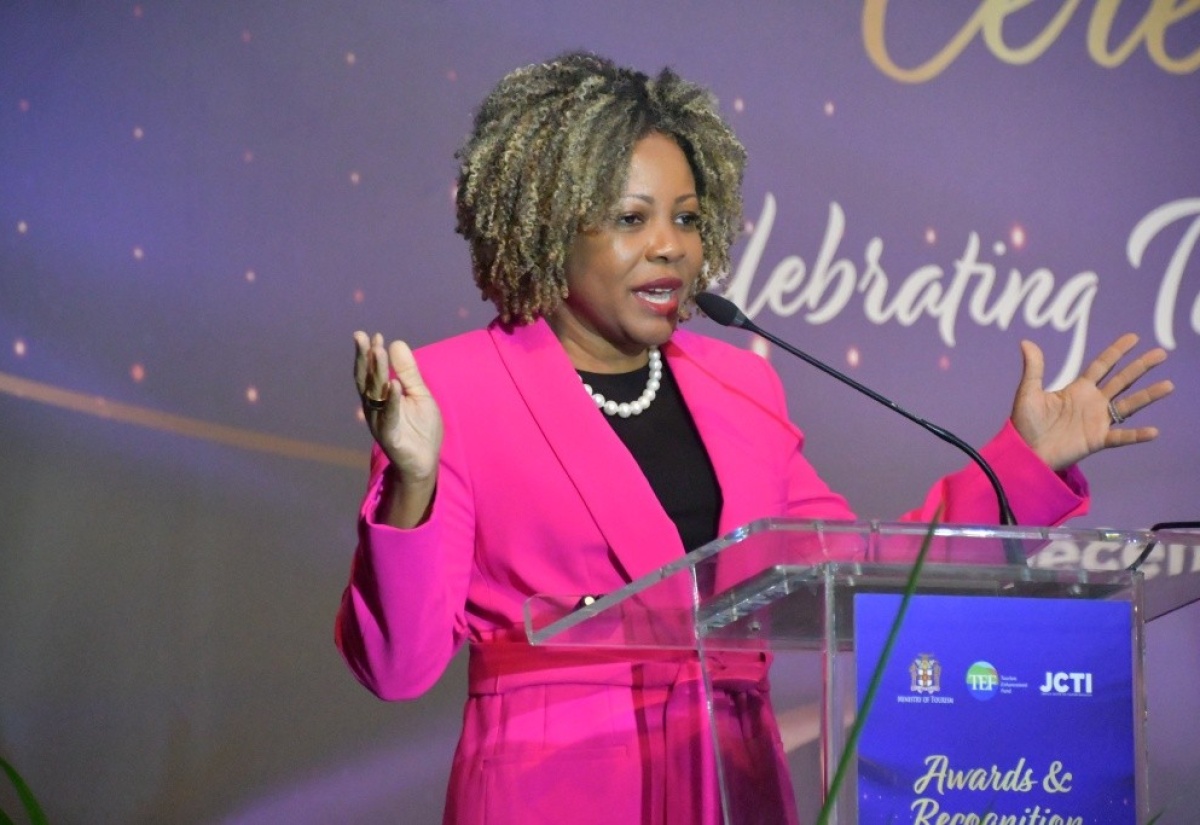
Education Minister Cautions Against Over-Reliance on Tech In The Home
Ministry of Education and Youth
Harrison calls for urgency in school repair - JTA president-elect says some temp facilities now failing
Jamaica Gleaner