

JAMP calls for higher standards of transparacy & accountability in governance following Wheatley Investigation Report
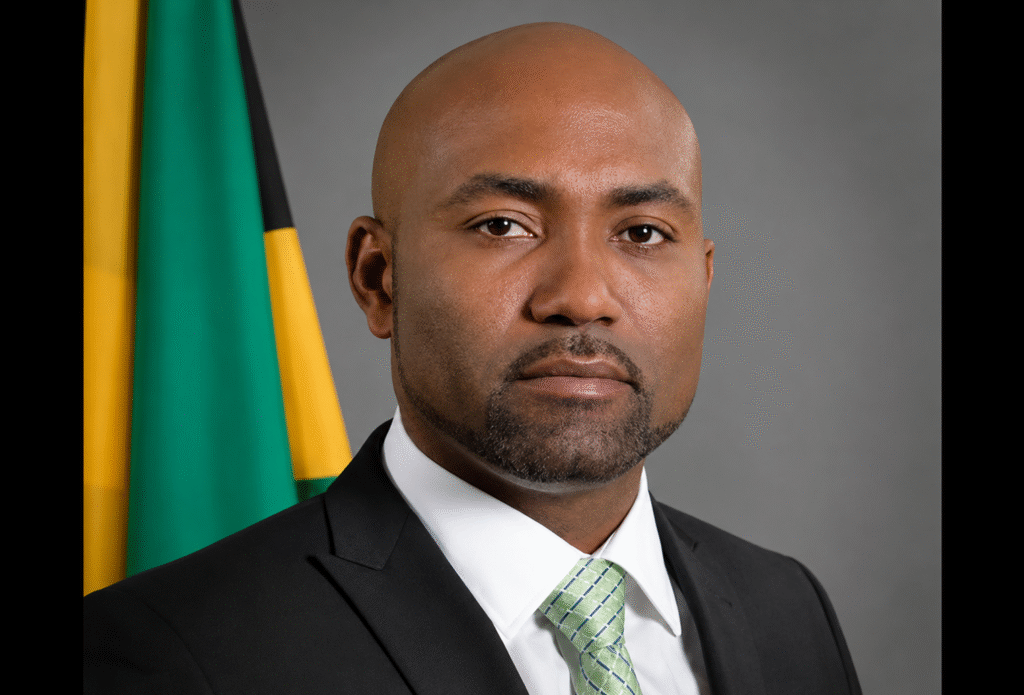
The Integrity Commission’s investigation report concerning Dr. Andrew Wheatley has exposed significant weaknesses in Jamaica’s governance framework.
Mr. Wheatly had been under active investigation for four years at the time of his appointment to the Cabinet. This raises the question as to what standards or requirements exist that are factored into the determination of Cabinet appointments. The present situation begs for urgent reforms to strengthen vetting.
It should be a requirement that for Cabinet appointment, a candidate must disclose to the Prime Minister whether they are the subject of any integrity-related or other investigations. It is reasonable to ask whether any such requirement exists, and what, if anything, the Prime Minister knew of the investigation prior to making the appointment. Good governance requires more than technical competencies. It also must engender trust and set a high bar for transparency.

JAMP believes that the seriousness of the referral for charges for illicit enrichment, alleged omissions from statutory declarations and findings relating to failures to provide information requested by the Integrity Commission, all chargeable offences under the IC Act, require an immediate and credible response that at the very least should demonstrate some standard that is consistent.
There is a glaring inconsistency in Mr. Wheatley’s failure to resign and the Prime Minister’s failure, to date to relieve him of his position in the Cabinet pending the outcome of the referrals by the IC and Court decision/s to come. This is in the context of findings and recommendations by the Integrity Commission that are among the most serious to have emerged to date from Jamaica’s integrity and anti-corruption framework.

The Wheatley investigation calls attention to structural weaknesses that exist. The report should serve as a catalyst for strengthening our accountability architecture in the following areas:
1. The statutory declaration regime needs reinforcement: A regime that can allegedly be evaded through omission, misrepresentation, and failure to provide information, across twelve years of filings, without triggering earlier detection or sanction, is a regime in need of an urgent fix as it is not functioning as intended.
2. The referral chain needs greater public updates and accountability. When the Integrity Commission makes referrals to the Director of Corruption Prosecution, Tax Administration Jamaica, or the Speaker of the House, there is need for a statutory obligation to report to the Parliament and the public on what action has been taken and when. Without such, referrals may give the appearance of a functioning system but lack a means to track and verify what is done and what the outcomes are.
3. Clear principles and standards for executive accountability is essential:
If the Petrojam scandal, with no recommendation for criminal prosecution, was sufficient cause for a Cabinet departure in 2018, then a formal recommendation for prosecution on four criminal counts, including illicit enrichment, cannot be met with less. Both Minister JC Hutchinson and Minister Floyd Green were held to account in July 2020 and September 2021, respectively, without the strength of an investigative report or criminal findings.
However, there have also been other instances in which serious concerns were raised regarding public officials, and no comparable action was taken.
JAMP therefore believes that this discretionary approach is no longer sufficient.
JAMP calls for the establishment of a clear governance framework outlining how serious integrity findings that can undermine public confidence in the Cabinet and government are to be addressed.
Such a framework should preserve the Prime Minister’s constitutional discretion, but the standards informing the PM should be known, the process should be understood, and the public should be able to assess for themselves whether those standards are being applied fairly and consistently.
Syndicated from Our Today · originally published .
Legal context · powered by Jurifi
Get the legal angle on this story. Pick a prompt and Jurifi's AI will explain it using Jamaican law.
AI replies are based on Jamaican law via Jurifi. Not legal advice.
Other coverage
Heat on Holness
Jamaica Observer
IC: Cabinet Minister Andrew Wheatley to be charged with illicit enrichment
Jamaica Gleaner
JFJ joins call for Wheatley's immediate removal from Cabinet after IC corruption charges
Jamaica Gleaner
Golding Calls for Wheatley's Immediate Removal from Cabinet Following IC Report
CVM TV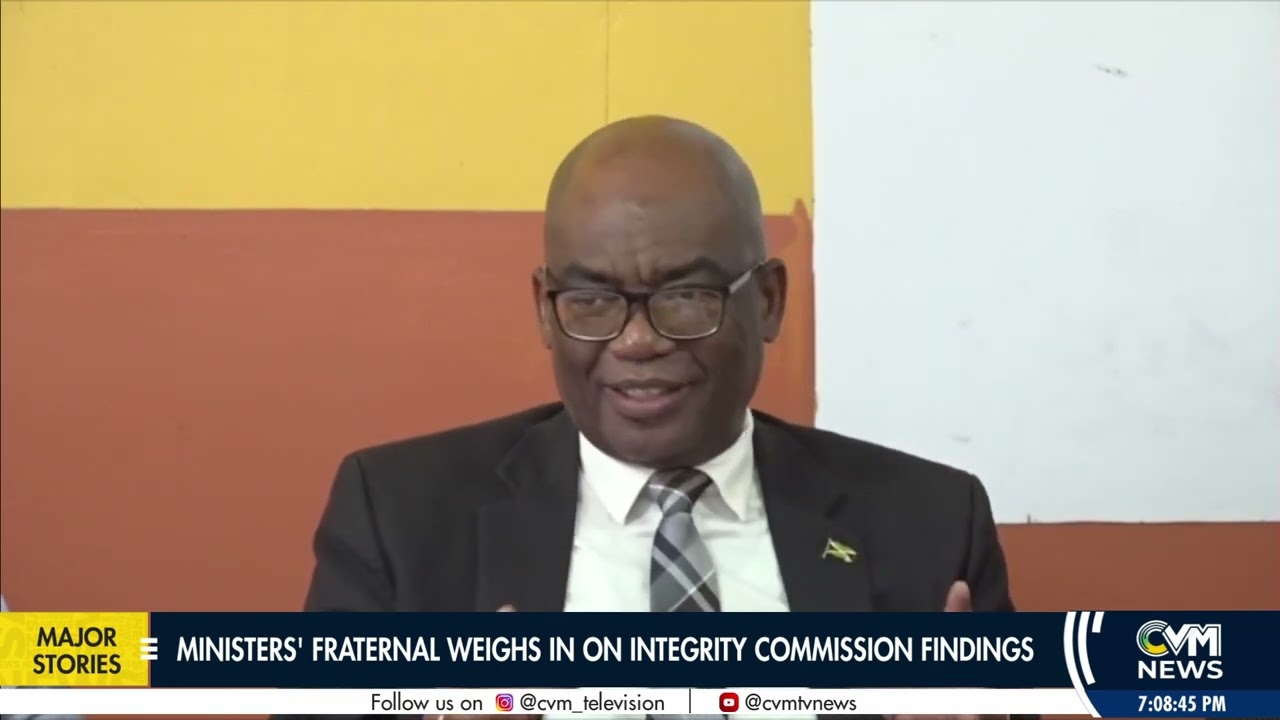
Ministers' Fraternal Weighs In on Integrity Commission Findings | @CVMTVNews
CVM TV News (Video)Watch