
Westmoreland health unit and CARPIN plan May webinar on child poison risks
Officials in Westmoreland have joined forces with the Caribbean Poison Information Network (CARPIN) to expand public education aimed at lowering the number of children who are accidentally poisoned in the parish.
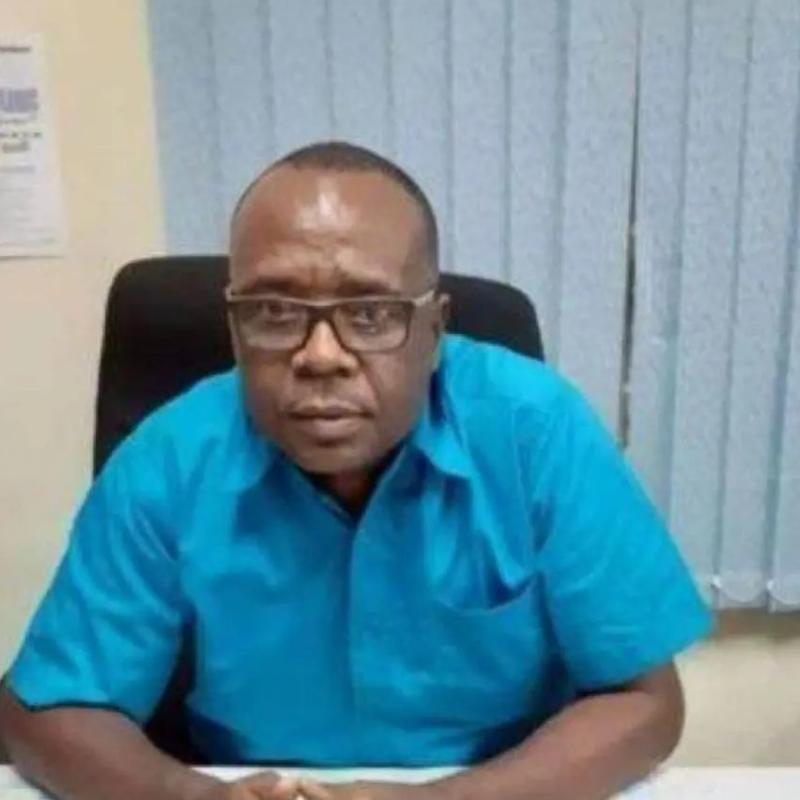
Gerald Miller, who serves as Health Promotion and Education Officer for Westmoreland, said the problem still ranks among the parish’s serious health threats and continues to show up in routine surveillance data, even after repeated awareness drives.
Speaking to JIS News, Miller said a webinar set for Tuesday, May 27, with CARPIN support is the latest step to reach parents, caregivers, and other key groups about keeping dangerous household products locked away and out of easy reach. The online meeting will run from 2:00 p.m. to 3:30 p.m. on Zoom.
Organisers expect attendees to leave with clearer guidance on poison prevention, protecting children, and practical steps households can take to make homes safer.
“The Westmoreland Health Department is very happy to partner with CARPIN… [which] has been a tower of strength to us. They have always provided support in advancing the war on accidental poison,” Miller said.
He said such poisonings need not happen at all, and called for sharper watchfulness so youngsters cannot get hold of toxic chemicals and similar materials.
“In the 21st century, we shouldn’t be having this kind of problem where children are in a position where they can access harmful substances that can pose a threat to their life and safety,” Miller maintained.
Miller argued that wider public knowledge and lasting changes in everyday habits are central to solving the issue. He pointed out that the department has long used media appearances and community forums to keep poison-safety messages in the public eye.
“To have CARPIN partnering with the Health Promotion Unit at the Westmoreland Health Department in staging this webinar is welcoming, and we hope the participants will get the information and then apply it and share it as best as possible so we can have a paradigm shift… so we can have no accidental poisoning happening in the parish,” Miller added.
He also recalled earlier Think Tank sessions and a string of broadcast interviews focused on poison prevention and child protection.
Miller urged parents and guardians to store chemicals and other risky items in secure places where children cannot reach them.
Teaching young people about the harm these products can cause is equally important, he said, if the parish is to see fewer accidental poison cases.
“We have to also play our part in sharing the information with the children, as well as taking all the precautions to ensure that these things are not within their reach, so the children can have access to them,” he stated.
Syndicated from Jamaica Gleaner · originally published .
Legal context · powered by Jurifi
Get the legal angle on this story. Pick a prompt and Jurifi's AI will explain it using Jamaican law.
AI replies are based on Jamaican law via Jurifi. Not legal advice.
Other coverage
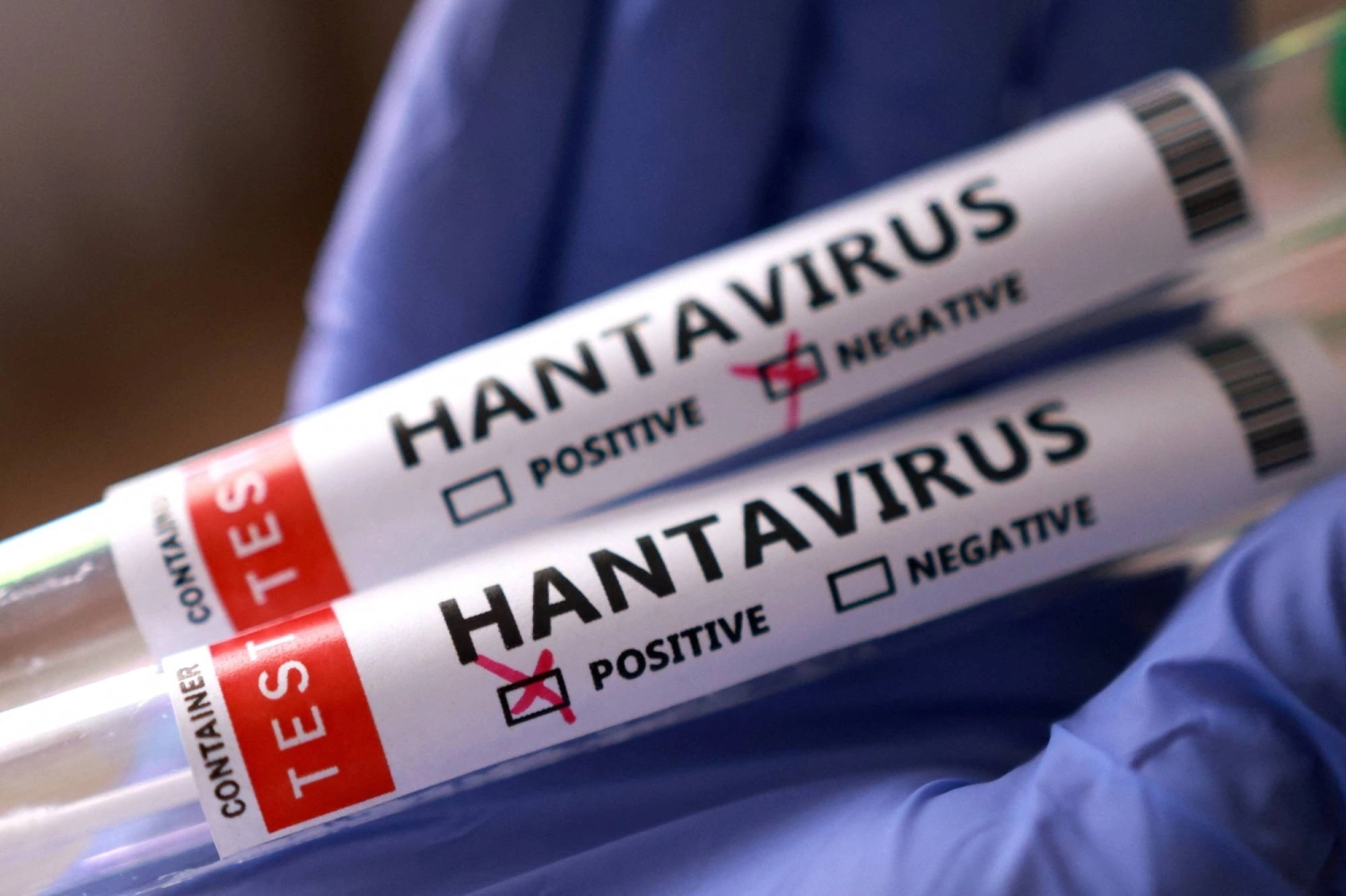
Westmoreland health officials step up surveillance amid regional hantavirus concerns
Cnweekly
Westmoreland Health Authorities Heighten Hantavirus Surveillance
Jamaica Information Service
Giving them a voice
Jamaica Observer
101 Health Centres for SMART Upgrade
MOH — Ministry of Health and WellnessJamaica to Tackle Declining Birth Rate with National Family Support Strategy
MOH — Ministry of Health and Wellness