
Jamaica educators urged to reshape AI use in classrooms to protect student thinking
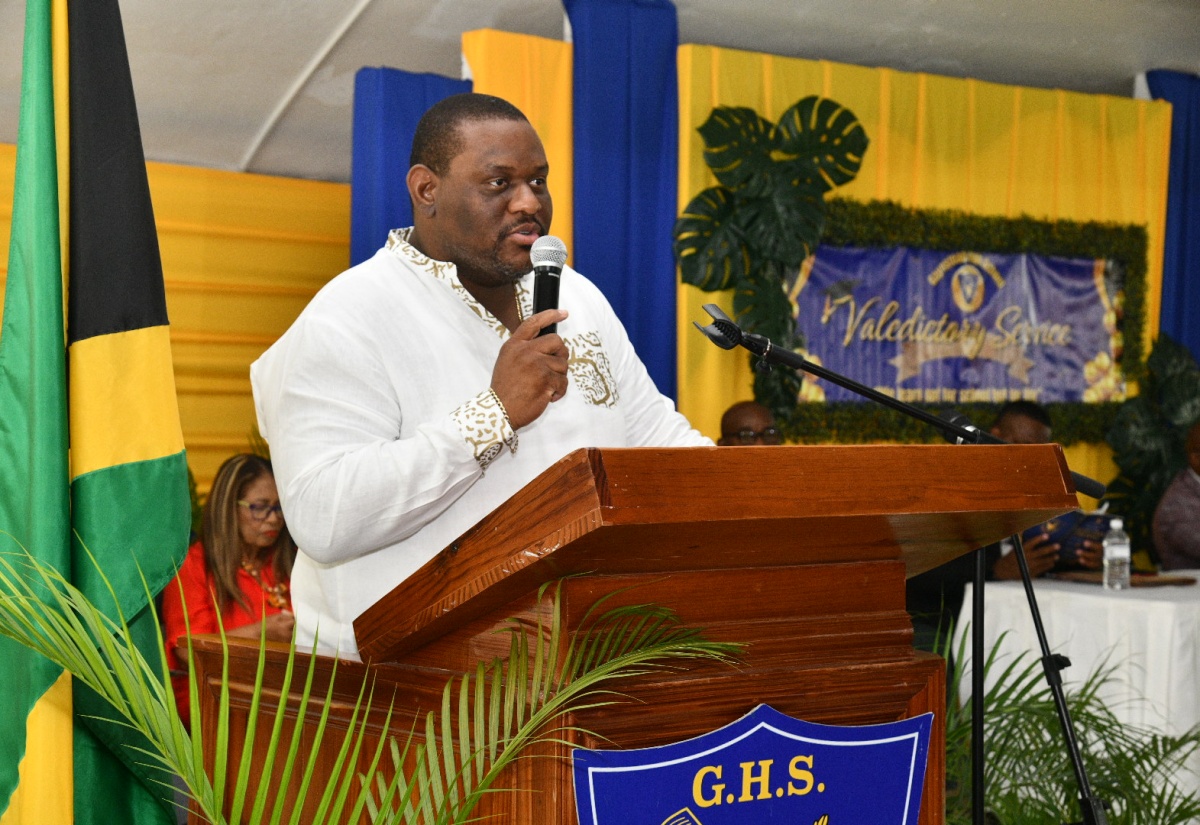
One Academy, a programme of One-on-One Educational Services, recently held its Future Ready Educator Summit 2.0 to help teachers apply practical tools and strategies as artificial intelligence reshapes how people work, communicate and learn.
President and chief executive officer Ricardo Allen said AI is now woven through much of school life. Teachers use it to plan lessons and prepare notes; students feed homework into systems for quick answers; teachers sometimes run those submissions through AI for grading; parents lean on it when helping children study; and administrators use it to interpret data. Allen argued the challenge is not blocking that workflow but shaping it so learners keep thinking for themselves.
A Cambridge University fellow, Allen drew on assessment research to stress that valid evaluation depends on reasoning, not only right or wrong scores. If a pupil cannot explain work produced with AI, he said, the assessment loses meaning. He pointed to tasks such as asking students to argue a position against AI—for example, whether World War II was economically necessary—and return with evidence that forces independent thought.
Allen described teachers as “architects of thinking” and “architects of friction,” designing work that demands explanation, challenge and dialogue rather than copied answers. He warned that leaning on AI for shortcuts can weaken cognitive exercise built through activities such as reading, contributing to what he called cognitive atrophy and poor long-term retention after exam cramming.
He promoted dialogic assessment, where students defend their reasoning in depth, and said One-on-One is researching the approach with Cambridge University, with work under way in the Bahamas and plans to extend it in Jamaica. AI, he said, could hold structured conversations with many pupils and give teachers dashboards showing who needs support.
Allen also cited Jamaica’s National Virtual School, developed with the Ministry of Education, which links 101 schools through classroom screens to centrally delivered lessons—such as game design taught from Kingston to rural sites. After sessions, skills-gap tests help facilitators target weaker pupils, stretch stronger ones and personalise instruction. He said the wider goal is graduates who can create and compete globally, not only memorise for short-term exams.
Syndicated from Jamaica Information Service (Video) · originally published .
Legal context · powered by Jurifi
Get the legal angle on this story. Pick a prompt and Jurifi's AI will explain it using Jamaican law.
AI replies are based on Jamaican law via Jurifi. Not legal advice.
Other coverage
High-School Graduates Urged to Explore Options at HEART/NSTA Trust
Ministry of Education and Youth
Francis Wade | The Fifth Rung: Why companies that win at innovation already know where they’re going
Jamaica Gleaner
Education State Minister Delivers Message on Resilience, Overcoming Adversity to Knox College Graduates
Jamaica Information Service
Opening of the Caenwood SPARK Road, Hope Bay, Portland
Office of the Prime Minister
Education Expert Warns AI Threatens Critical Thinking
CVM TV