
NCDA warns Jamaicans about tobacco, vaping risks and support for quitting
As World No Tobacco Day is marked on May 31, the National Council on Drug Abuse is warning that tobacco and nicotine use remain serious public health concerns in Jamaica, with newer products such as vapes and e-cigarettes drawing particular concern because of their appeal to young people.
Omilora Wilson, public education and awareness manager at the NCDA, said the annual observance, introduced by the World Health Organization, helps focus attention on the damage caused by tobacco and nicotine and the need for healthier choices. She said tobacco use has shifted over time from cigars and cigarettes to hookahs, vapes and e-cigarettes, making public education more important.
Wilson said this year’s theme, “Unmasking the Appeal: Countering the Use of Nicotine and Tobacco,” speaks to the way the industry presents nicotine products as colourful, fashionable and social-media friendly. She said the packaging and online promotion can hide the health risks behind the products.
The NCDA official noted that tobacco and nicotine use can contribute to lung cancer, poor oral health, bad breath, heart disease, strokes, breathing problems and mental wellness challenges. She also warned that the brain continues developing up to about age 25, so nicotine and other substances can affect young people’s development.
Wilson said vapes are especially difficult to monitor because they are easy to conceal, may look like everyday school items such as highlighters or erasers, and do not produce the same smell as cigarettes. She said the NCDA has seen vapes being promoted heavily and, in some cases, sold near school gates. Unlike cigarette packages, she said vapes do not necessarily carry the same visible health warnings.
Second-hand smoke was also highlighted as a danger, particularly for children. Wilson said smoking around children can contribute to breathing problems, including asthma. She also said smoking during pregnancy can affect an unborn child’s development, with cases involving deformities and babies born addicted to nicotine.
For people trying to stop, Wilson said nicotine’s effect on the brain’s reward system makes quitting difficult, especially when smoking has become part of stress relief, socialising or daily routine. She said withdrawal can be hard, but recovery is possible with education, family support, professional guidance and distance from triggers.
She urged relatives and friends to avoid shaming people who are trying to quit, saying encouragement is more helpful than judgement or fear tactics. Jamaicans seeking help for substance misuse may contact the National Council on Drug Abuse at 876-564-HELP or 876-564-4357.
Syndicated from Jamaica Information Service (Video) · originally published .
Legal context · powered by Jurifi
Get the legal angle on this story. Pick a prompt and Jurifi's AI will explain it using Jamaican law.
AI replies are based on Jamaican law via Jurifi. Not legal advice.
Other coverage

Chilling threat
Jamaica Observer
Chuck: Police empowered to use ‘reasonable force’ in arrests
Jamaica Gleaner
WEEKLY DEVOTIONAL: The Battle for Your Identity
Jamaicans.com
Entries for 2026 JCDC creative writing competition open June 1
Jamaica Observer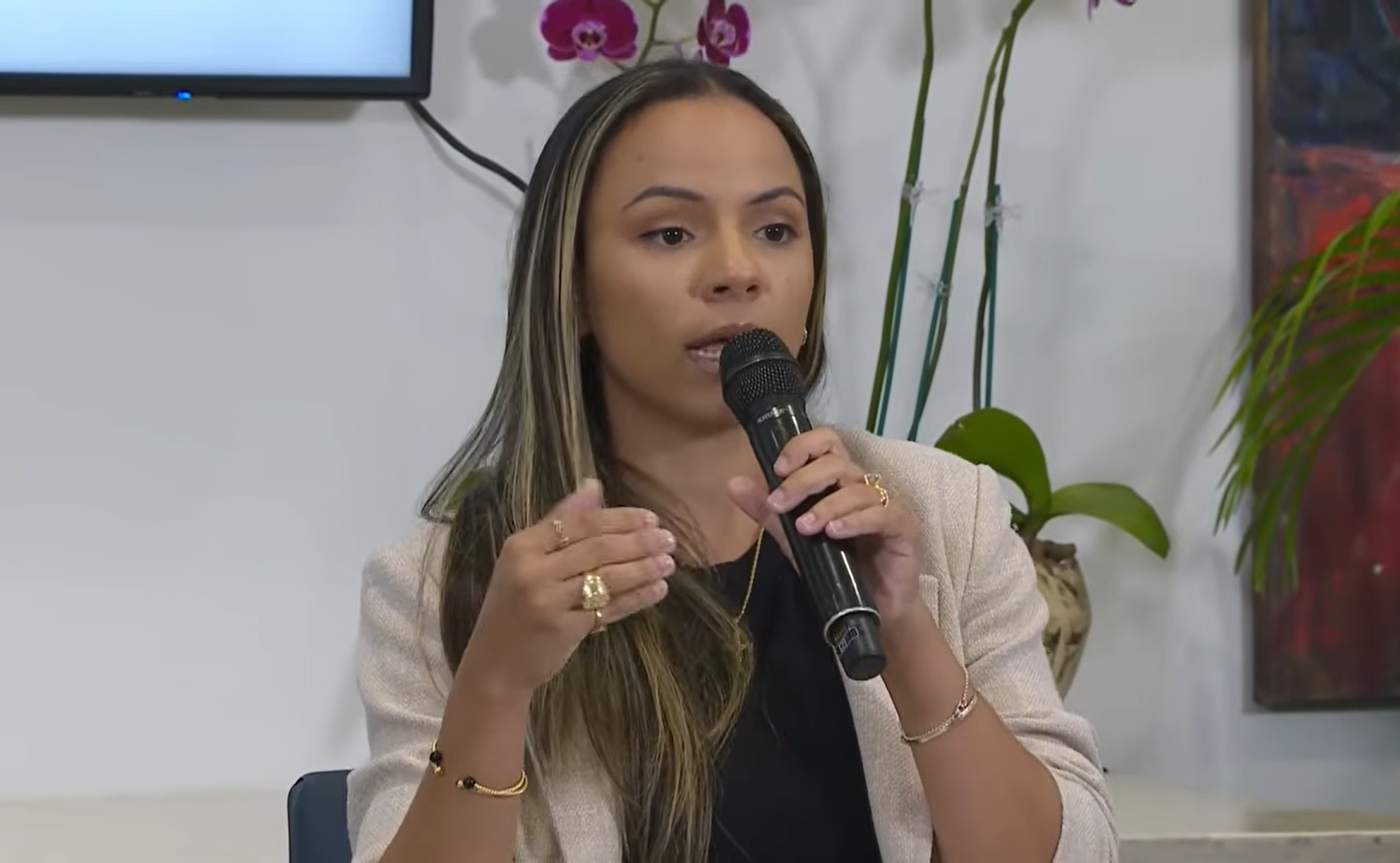
Buyers urged to be strategic as Jamaica real estate boom continues
Cnweekly