
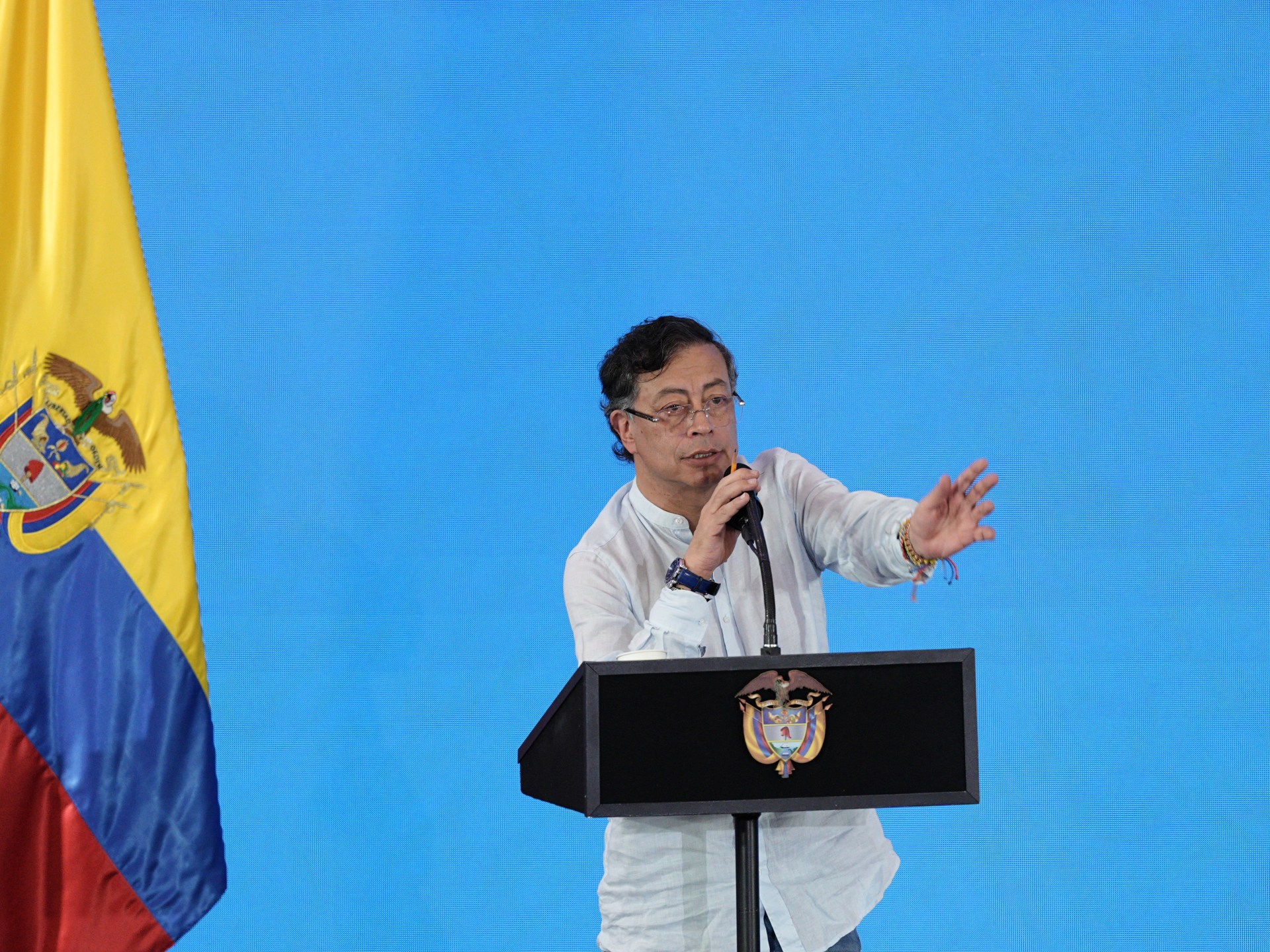
Colombia Total Peace ceasefires face scrutiny as Petro talks falter
Still, President Gustavo Petro’s administration did secure understandings with a number of major armed organisations. In 2023, the government agreed to ceasefires with the Clan del Golfo and the Estado Mayor Central (EMC), a splinter group from the FARC. But before long, some of those arrangements were unravelling as attacks on security personnel and fresh violence hit important areas.
Florez, who heads a think tank, said Petro’s method was not the same as those used by some previous Colombian leaders. Rather than handle one process at a time, the administration opened talks with several actors at once, including insurgent groups and criminal organisations. Its team also moved early to pursue ceasefires instead of first settling fuller peace plans.
“This caused a lot of disorder in state offensive operations,” Florez said. He said military commanders “did not know whether [they] could act or against whom”. According to Florez, the peace team also took on more than it could manage by running too many discussions in parallel. “You have to try new things — but ultimately, it didn’t work,” he said.
Opponents, especially figures on the right, say the approach ended up hurting the state. In their view, the negotiations and repeated starts and stops in ceasefires allowed armed and criminal groups to regroup and strengthen their hold over territory, leaving the government in a weaker position.
Laura Bonilla, deputy director of the Fundación Paz y Reconciliación (PARES), a research nonprofit, also has concerns about Total Peace. She said the policy has fallen short, but added that it has been turned into a “political scapegoat” during Colombia’s tense election period.
“It was very poorly implemented,” Bonilla said, “but groups do not grow because of dialogue. They grow because of money, resources and people.” She argued that Colombia should not simply walk away from negotiations, but should find other ways to put pressure on armed groups, including targeting the finances that sustain them.
Bonilla also wants a firmer line between peace negotiations and government security operations. “Many people blame Petro or Total Peace for insecurity, but that is not correct. Total Peace is not responsible for that,” she said. “The mistake was making expectations too high, which created huge disappointment.”
Syndicated from Jamaica Inquirer · originally published .
Legal context · powered by Jurifi
Get the legal angle on this story. Pick a prompt and Jurifi's AI will explain it using Jamaican law.
AI replies are based on Jamaican law via Jurifi. Not legal advice.
Other coverage
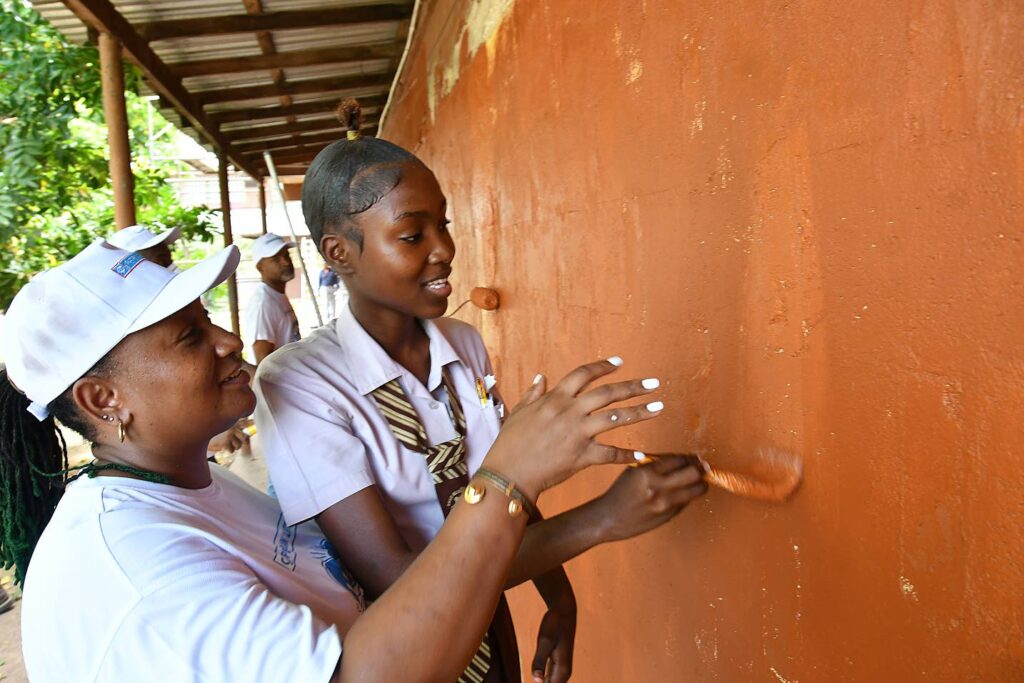
Paint over play
Jamaica Observer
Styling Dreams At 11 | TVJ Smile Jamaica
Television Jamaica (Video)Watch
Women Cop Top Spots In Ryeep Agribusiness Pitch Competition
Jamaica Information Service
Spragga Benz Set to Celebrate 57th Birthday On May 30 | Entertainment Report
Television Jamaica (Video)Watch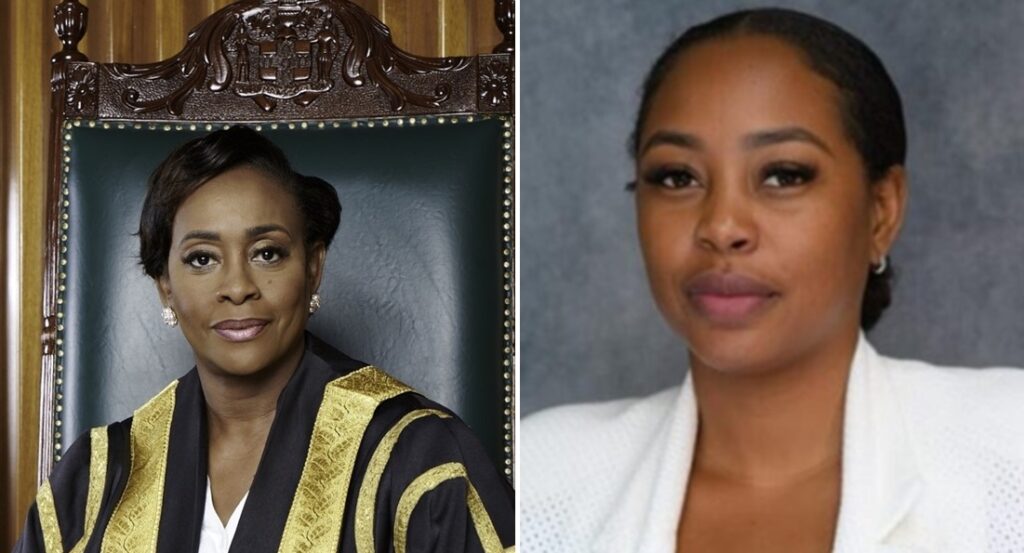
Gov’t MPs criticise remarks made by Nekeisha Burchell about House Speaker Juliet Holness
Jamaica Observer