NWC Strengthens Hurricane Readiness With Generators, Drones and Emergency Radios
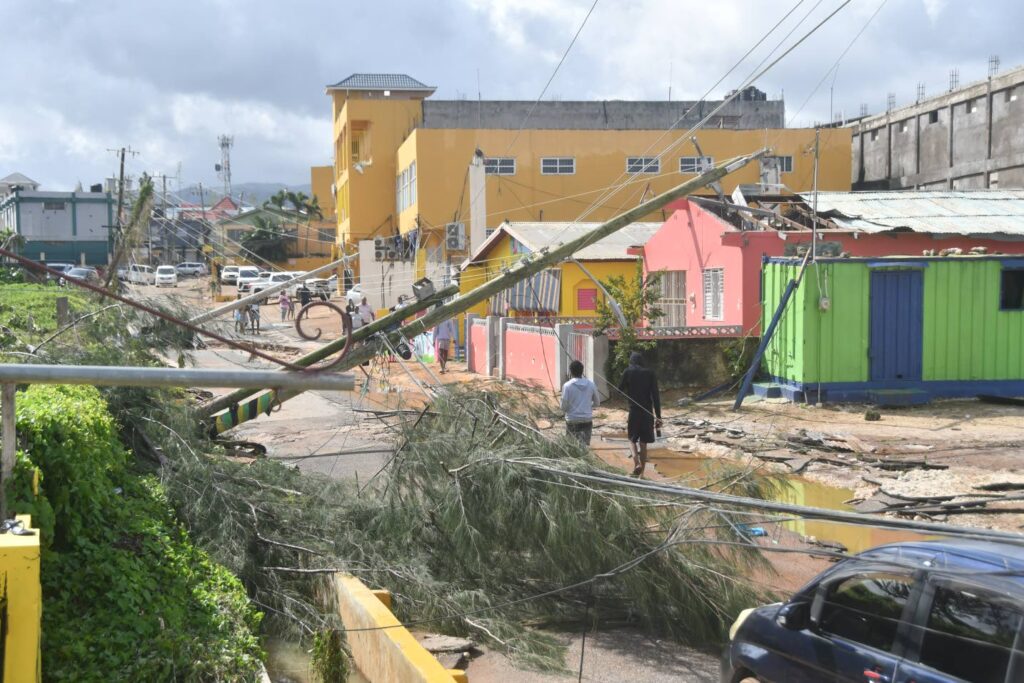
The National Water Commission is moving to sharpen its disaster readiness before the 2026 Atlantic Hurricane Season, using the disruption caused by Hurricane Melissa in 2025 to guide changes across its operations.
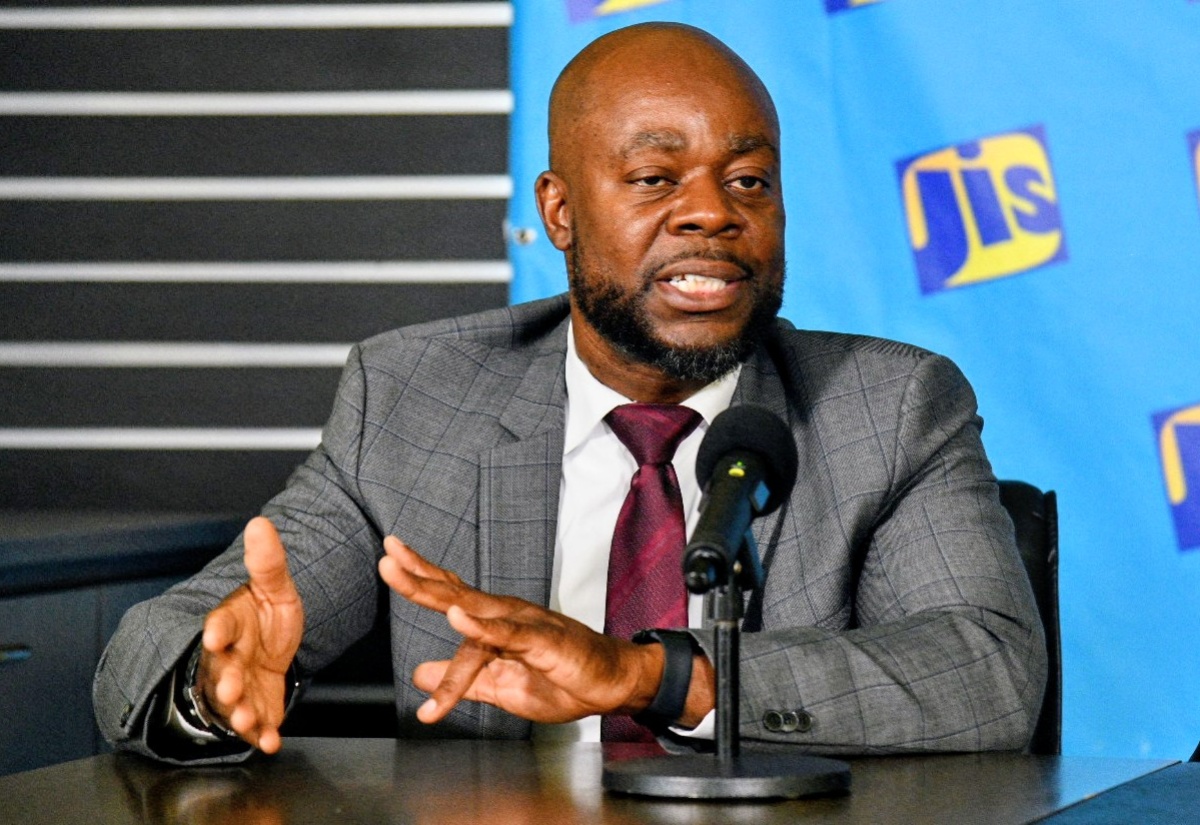
Herman Fagan, Acting Vice President of Operations at the NWC, said at a recent JIS Think Tank that the utility has been addressing gaps exposed during Melissa, especially the need for dependable standby electricity at key facilities.
According to Mr. Fagan, several NWC sites were knocked out during the hurricane. He said the Commission is now working to ensure that facilities serving large numbers of customers are supported by generators as the new season approaches.
He also said generator units already in place are being improved and better equipped, so the agency can bring water services back faster after a major weather event. “So, in the event of a disaster, we are able to restore services in a more efficient and a more serious manner,” he said.
Mr. Fagan said technology is also becoming more central to the NWC’s hurricane planning. Drones, he noted, have helped the agency inspect damage more quickly, and staff members who work on the lines have already received several formal training sessions in their use.
The Commission plans to widen drone deployment across its regional operations. Mr. Fagan said the equipment is especially useful where water infrastructure is located in rugged or mountainous communities that teams cannot easily reach on foot. “In the event that we have any disaster… we are able to do our assessment very quickly,” he stated.
Glaister Cunningham, Vice President of Enterprise Development & Performance Monitoring at the NWC, said planning must be matched by reliable communication. He noted that the Commission has both a business continuity plan and a hurricane plan.
Mr. Cunningham said one of the clearest lessons from Hurricane Melissa was that emergency plans depend on the ability to reach the people responsible for carrying them out. “No plan works without the ability to communicate… because if you can’t get through to the people who are to effect the plans, it slows everything down to a halt,” he emphasised.
He thanked Jamaica’s telecommunications providers for their partnerships after Melissa, including support that involved satellite services, which helped restore communication in a relatively short time.
The NWC will also rely on radios obtained through the Office of Disaster Preparedness and Emergency Management as an additional communication tool. The agency says the combined preparations are intended to shorten service restoration times and improve resilience before the 2026 Atlantic Hurricane Season begins on June 1.
Syndicated from Jamaica Information Service · originally published .
Legal context · powered by Jurifi
Get the legal angle on this story. Pick a prompt and Jurifi's AI will explain it using Jamaican law.
AI replies are based on Jamaican law via Jurifi. Not legal advice.