

PFJL wants hydration breaks in JPL as FIFA to assess its impact post-World Cup
Although FIFA could scrap the controversial hydration breaks after the World Cup, the Jamaica Premier League (JPL) could adopt its own version for the new season following a recommendation from Professional Football Jamaica Limited (PFJL) Chief Executive Officer Owen Hill.
FIFA head of global football Arsene Wenger said the world governing body will review the impact of the hydration breaks following the completion of the tournament on Sunday.
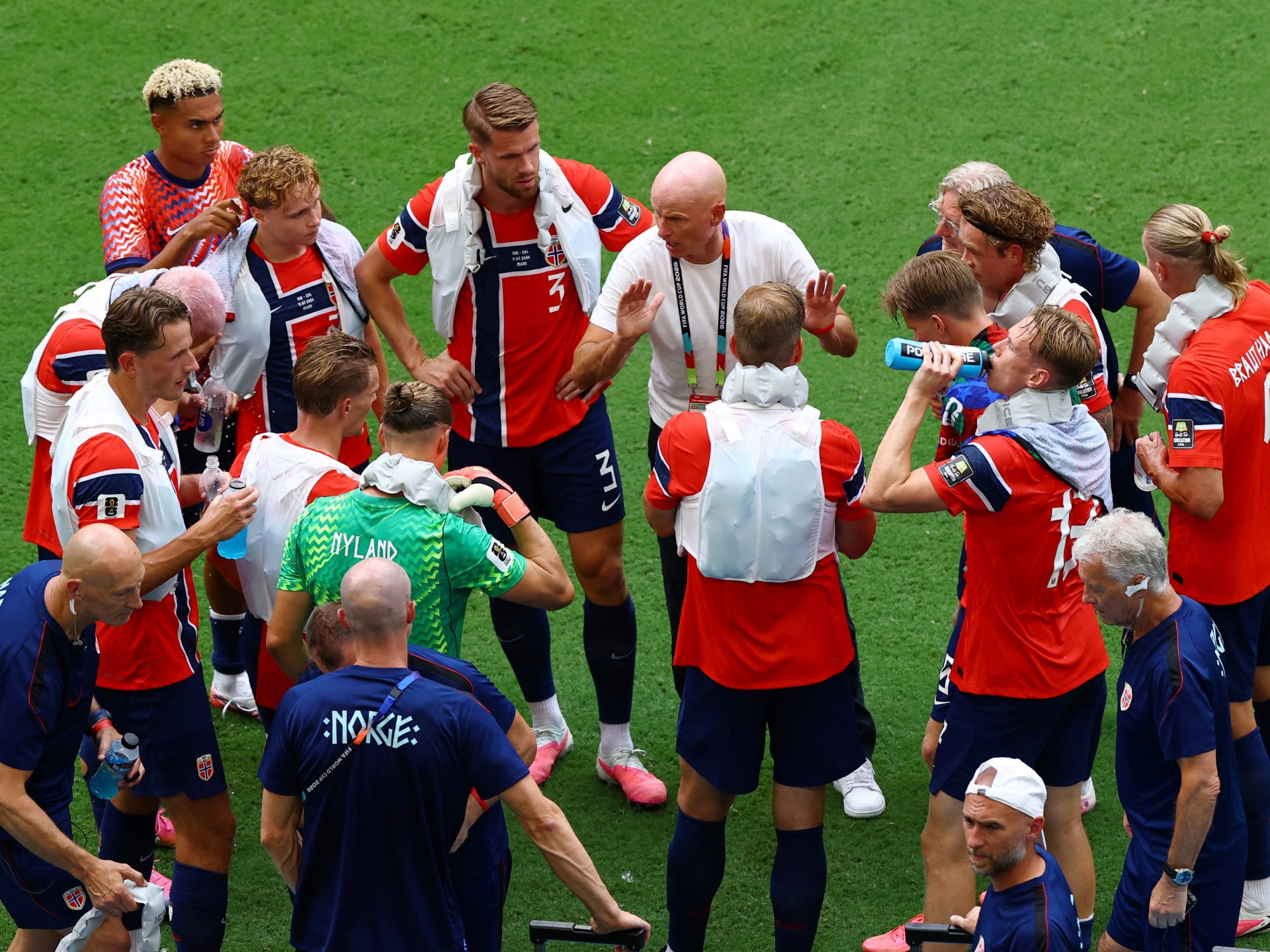
Matches at this summer’s World Cup in the United States, Mexico and Canada had mandatory three-minute breaks in either half, regardless of the weather condition, with FIFA explaining it was introduced to benefit player welfare in the North American heat.
However, the Gianni Infantino-led organisation drew widespread backlash. Critics argued the breaks were designed to create extra advertising slots for broadcasters, while fans inside stadiums responded with boos. Others said the change gave football an American-style feel by effectively turning matches into four quarters, like the NFL and NBA.
England manager Thomas Tuchel, Uruguay head coach Marcelo Bielsa, Netherlands captain Virgil van Dijk and Germany forward Kai Havertz were among the high-profile figures who criticised the mandatory hydration breaks, arguing that it disrupted the momentum of matches.
HILL… it is about recognising a global innovation and adapting it to Jamaica’s unique realities
Wenger, the former Arsenal manager, doesn’t believe it affected the outcome of games but admits it may be a thing of the past because of their heavy disapproval.
“Sometimes people didn’t like it and we have to analyze after the World Cup what is the impact especially when the stadiums were covered, people were not happy with it,” said Wenger. “It didn’t look to me that it changed the results of the competitions. But we are here to serve people who watch football and we will come to the conclusions after the competition.
“In some games, it was really needed and because we want to make any difference between the way games are handled we decided at the start of the competition to do it. We will have a deep analysis after the competition. We have not come to a conclusion yet but I promise that you will get one,” he added.
However, a version of the hydration break could be introduced in the Jamaica Premier League, which kicks off next month. Hill believes its introduction locally could position Jamaica as a leader in football innovation.
“The Competitions & Regulations Committee of the Jamaica Football Federation, in collaboration with the professional football bodies representing Jamaica’s men’s and women’s leagues, should align and adopt a Performance Interval Policy as part of the forthcoming competition regulations,” he said.
Kimani Reece (left) of Harbour View challenges Rashawn Livingston of Molynes United during the Jamaica Premier League football match at the Constant Spring field on May 3, 2026. Photo: Garfield Robinson
“The evidence supports this recommendation because it advances three strategic objectives simultaneously: enhancing player performance, modernising competition governance, and creating new commercial opportunities for the professional game. This is not about replicating a FIFA initiative; it is about recognising a global innovation and adapting it to Jamaica’s unique realities. For the Jamaica Premier League, that moment is now.”
Hill believes Jamaica is well-suited to hydration breaks, citing the country’s warm climate and the commercial value they could generate
“Our football is played in a tropical climate where temperatures regularly exceed 30°C, accompanied by humidity levels that often surpass 70 per cent. Sports science consistently demonstrates that these conditions increase physiological strain, accelerate dehydration, and impair cognitive and physical performance. FIFA’s player-welfare protocols similarly recognise the need for structured cooling interventions under defined environmental thresholds,” he said.
“More importantly, the Jamaica Premier League is also a developing commercial property. Unlike mature European competitions, every new commercial asset created by the league has meaningful financial significance. The more inventory available, the more opportunity there is for money to enter. And let’s be clear: The JPL needs improved financing structures and cash intervention to become comparatively more competitive.”
A decision is expected in the coming weeks, with the season to kick off at the end of August.
Syndicated from Jamaica Observer · originally published .
Legal context · powered by Jurifi
Get the legal angle on this story. Pick a prompt and Jurifi's AI will explain it using Jamaican law.
AI replies are based on Jamaican law via Jurifi. Not legal advice.
Other coverage
FIFA admits hydration breaks may not continue after World Cup criticism
Jamaica Inquirer
Coaches support JPL hydration breaks but …
Jamaica Gleaner
Lovers scoring during World Cup
Jamaica Star
Spain VS France | Massive upset
Jamaica Star (Video)Watch
Excitement builds for Festival Song Competition Results Show
Jamaica Gleaner