
Holness defende ritmo lento da implantação de câmeras corporais policiais após morte a tiros em St. James
O primeiro-ministro, Dr. Andrew Holness, defende o ritmo do programa de câmeras corporais da polícia da Jamaica, enquanto cresce a pressão pública após a morte a tiros de Latoya Bulggin em St. James, um incidente registrado por um sistema de CCTV próximo, e não por uma câmera fornecida pela polícia.
Imagens agora amplamente compartilhadas mostram um policial posicionado à frente do veículo de Bulggin antes de disparar através do para-brisa e atingi-la. O vídeo intensificou o debate sobre o uso da força pela polícia, a tomada de decisões durante confrontos e por que o agente envolvido aparentemente não usava uma câmera corporal.
Holness disse que a política do Governo é implantar integralmente sistemas de câmeras em toda a Jamaica Constabulary Force. Ele afirmou que cerca de 1.000 câmeras já estão em uso, outras 1.000 estão sendo adquiridas e há trabalho em andamento para garantir mais 1.000.
O primeiro-ministro argumentou que o atraso está ligado aos sistemas necessários para dar suporte às câmeras, e não a uma recusa em implementá-las. Ele citou capacidade de banda larga, armazenamento seguro de dados, gestão de evidências e treinamento de agentes como requisitos que precisam estar em vigor antes que a tecnologia possa ser usada em toda a força policial.
“Simplesmente não temos os recursos para fazer tudo de uma vez”, disse Holness, acrescentando que, mesmo se todas as câmeras fossem compradas imediatamente, elas não poderiam ser todas implantadas de imediato, porque os agentes precisam ser treinados e os vídeos devem ser carregados, protegidos e preservados de uma forma que possa se sustentar como prova.
Críticos afirmam que, enquanto a infraestrutura está sendo construída, a confiança na responsabilização da polícia está sendo prejudicada, com cada encontro não gravado deixando espaço para disputas entre cidadãos e agentes da lei.
Holness disse que o resultado pretendido é que os agentes designados para funções de contato com o público recebam câmeras da mesma forma rotineira como recebem armas de fogo. No entanto, observou que dispositivos presos ao peito podem não ser adequados a todas as situações de policiamento, especialmente operações táticas de alto risco, e disse que outras opções, incluindo câmeras montadas em capacetes, estão sendo avaliadas.
O Governo diz que a implantação universal deve levar mais dois a três anos.
Sindicado de Television Jamaica (Video) · publicado originalmente em .
Contexto jurídico · com tecnologia Jurifi
Veja o ângulo jurídico desta notícia. Escolha uma pergunta e a IA do Jurifi explicará usando a lei jamaicana.
As respostas de IA baseiam-se na lei jamaicana via Jurifi. Não é aconselhamento jurídico.
Outra cobertura
JAMAICA NOW: Western Children’s Hospital named after ‘Sista P’ | NaRRA CEO named | Ebola concerns
Jamaica Gleaner (Video)Assistir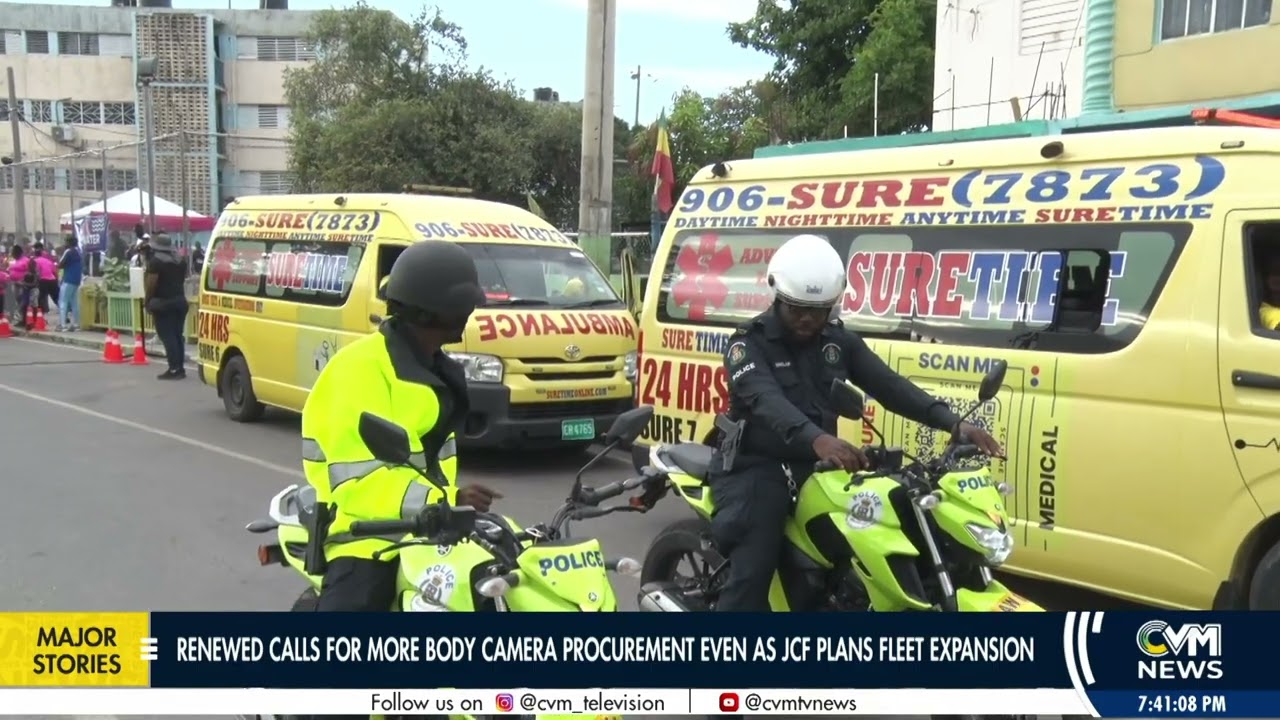
Renewed Calls for More Body Camera Procurement Even As JCF Plans Fleet Expansion |@cvmtvnews
CVM TV News (Video)Assistir
Prime Minister Holness Says Preservation of Life and Professionalism Must Remain Core Principles of Policing
Office of the Prime Minister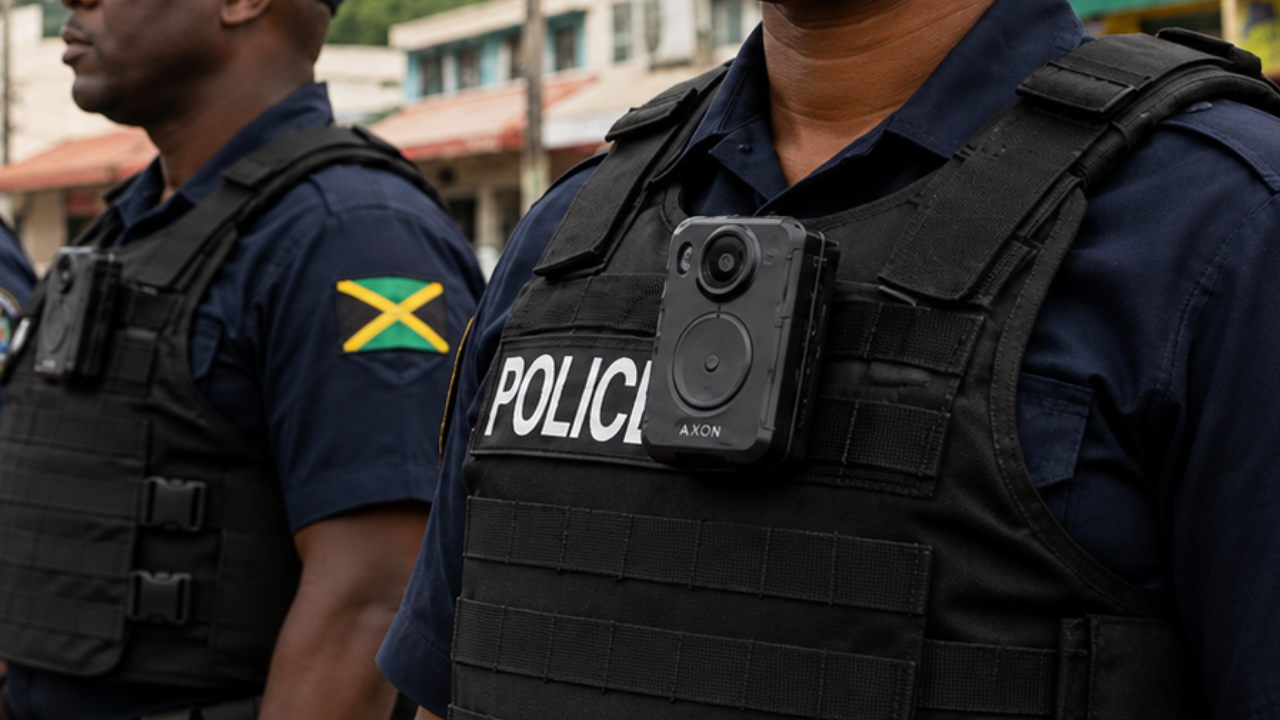
St Elizabeth Police Officers Now Wearing Body Cameras in Commercial Centres
McKoy's News
‘This cannot continue’
Jamaica Observer