
Jamaican expert sees one last hope for museums, galleries as world switches to digital
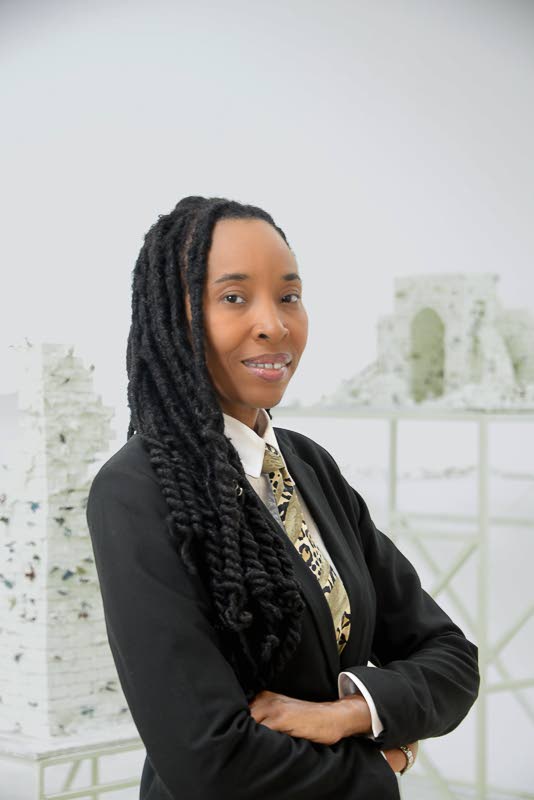
Museums across the world, once regarded as stable guardians of heritage, but now under pressure to justify their relevance, funding and role in society, need not give up the ghost without one last fight, if Dr Nadine Boothe-Gooden is to be believed.
Boothe-Gooden, often described as the dynamo at the head of the National Gallery of Jamaica, and a cultural strategist and multilingual consultant, readily acknowledges that museums are facing a defining moment.
In a piece written for the Jamaica Observer ahead of International Museum Day, May 18, 2026, she examines the challenges posed by the digital transformation to the survival of museums, and maps out an optimistic plan to extend their lifespan in 2026 and beyond, saying that survival cannot be guaranteed by tradition or collections alone.
“It will depend on adaptability, leadership, and a willingness to rethink what a museum is and whom it serves,” Dr Boothe-Gooden argues.
Here is a lightly edited version of her article:
For Jamaica, this conversation is particularly urgent. Our museums safeguard histories shaped by colonialism, resistance, creativity, and nation building, yet they often operate within fragile financial and institutional frameworks.
The question is no longer whether museums matter. The question is whether we are prepared to do what is necessary to ensure that they endure.
For much of the 20th century, museums were measured by the size of their collections and the authority of their curatorial voice. That model is no longer sufficient. Contemporary audiences expect museums to engage with the issues shaping their lives, including identity, climate change, social justice, and technology. Younger generations, in particular, demand participation rather than passive observation.
In Jamaica, museums are increasingly expected to serve as educators, tourism assets, civic spaces, and custodians of national memory. Yet many still operate under outdated governance structures and funding models that limit innovation. Survival in 2026 will require institutions to become more responsive, inclusive, and outward looking.
One of the most uncomfortable truths facing museums is financial reality. Public funding remains essential, but it is no longer sufficient. Across the Caribbean, cultural institutions remain vulnerable to economic shocks and shifting national priorities. Globally, museums that are thriving have diversified their income through strategic partnerships, philanthropy, memberships, digital offerings, and licensing.
This requires a cultural shift. Fund-raising and private sector engagement must be recognised as tools of sustainability rather than compromises of integrity. Boards and leadership must be empowered to think entrepreneurially while maintaining scholarly and ethical standards.
Climate change presents one of the greatest threats to Caribbean heritage. Rising seas, extreme weather, and environmental degradation place collections, archives, and historic buildings at risk. Conservation labs, disaster preparedness, and digital documentation are no longer optional investments. They are essential safeguards of memory.
Equally critical is the question of representation and voice. Global conversations about decolonising museums resonate deeply in Jamaica. Our museums are not neutral spaces. They are sites where history, power, and memory intersect.
Survival depends on meaningful engagement with communities, artists, and scholars whose perspectives were historically marginalised. This demands more than symbolic gestures. It requires structural change, shared authority, and honesty.
Digital transformation is often framed as a threat to physical museums. In reality, it is one of their greatest opportunities. Virtual exhibitions, online collections, and digital storytelling allow Jamaican museums to reach diasporic and international audiences far beyond their walls. Digital access is not about replacing the physical experience. It is about amplifying it.
Ultimately, museums will survive or fail based on leadership. The next generation of museum leaders must combine intellectual vision with managerial skill, policy literacy, and global awareness. In Jamaica, this aligns directly with national development priorities that recognise culture as a driver of identity, cohesion, and economic growth.
The future of museums is not predetermined. Decline is not inevitable. What lies ahead is a choice. A choice to adapt or retreat. To engage or remain insular. In 2026 and beyond, museums that survive will be those that understand their role not only as guardians of the past, but as active participants in shaping the future.
Dr Nadine Boothe-Gooden, head of the National Gallery of Jamaica, and a cultural strategist and multilingual consultant
Syndicated from Jamaica Observer · originally published .
Legal context · powered by Jurifi
Get the legal angle on this story. Pick a prompt and Jurifi's AI will explain it using Jamaican law.
AI replies are based on Jamaican law via Jurifi. Not legal advice.